
Trump says US and Canada have a trade deal 'concept' two days before midterms
President Trump said on Sunday, November 1, that the US and Canada have a 'concept' of a trade deal. Prime Minister Mark Carney described a constructive conversation. No terms have been released.
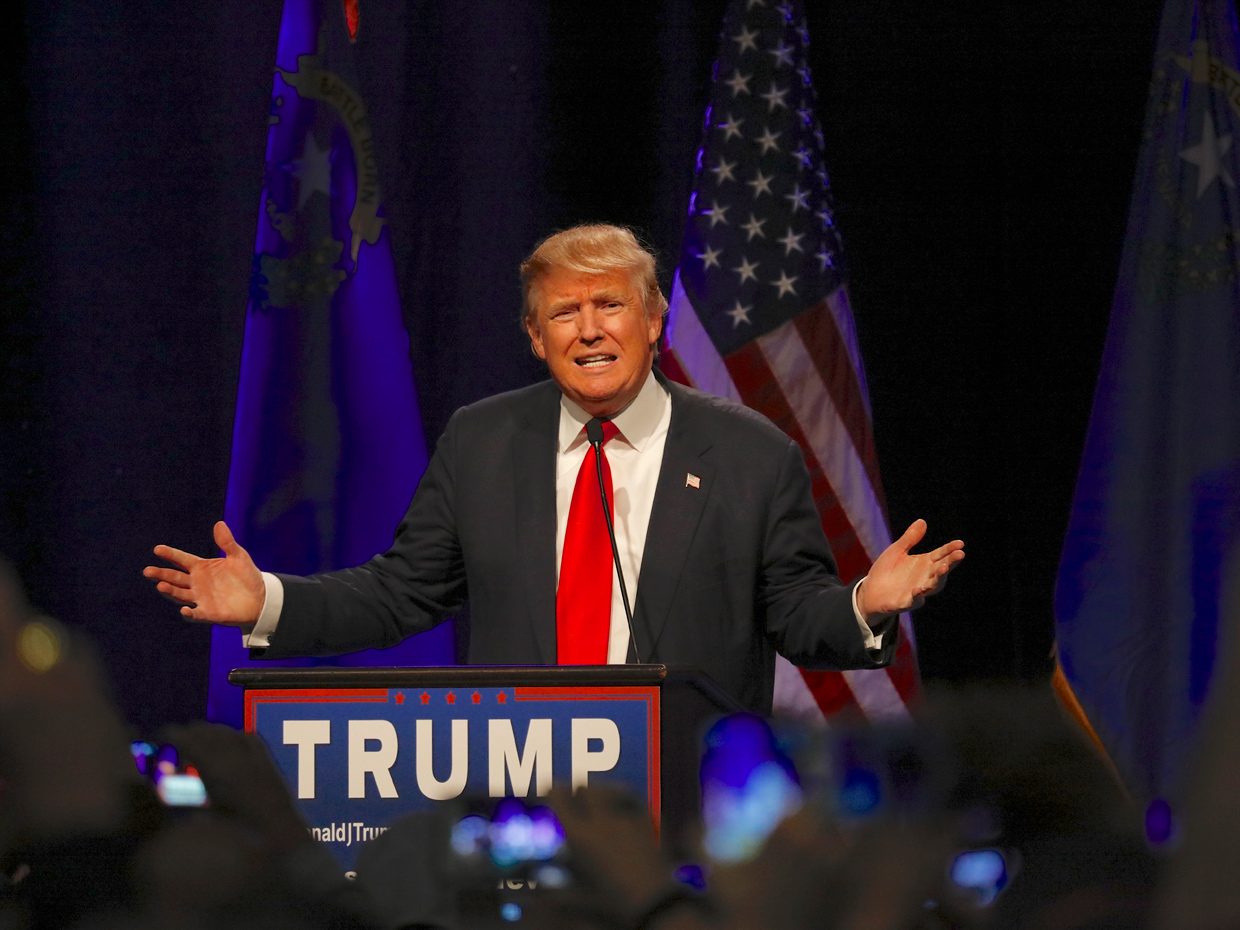
- 01Trump said on Sunday that the US and Canada have a 'concept' of a very good trade deal and are very close to an agreement.
- 02Canadian Prime Minister Mark Carney said he had a constructive conversation with Trump.
- 03Steel and automobiles were discussed as areas for possible relief from US tariffs.
- 04No timeline or terms of a potential agreement have been given.
US President Donald Trump said on Sunday, November 1, that the United States and Canada have a 'concept' of a new trade deal. He spoke two days before the US midterm elections on November 3.
What happened
Trump said the two countries are very close to an agreement, but he gave no details. He also said American farmers will pay no tariffs. He offered no schedule for a deal and no specifics on duties, access to markets or the industries an accord would cover.
Canadian Prime Minister Mark Carney said on the same day that he had a constructive conversation with Trump about a potential trade agreement. He reported progress in the talks.
The two sides have discussed possible relief from US tariffs on Canadian steel and automobiles. No details of a potential agreement have been released.
Why it matters
The talks concern the trade relationship between the United States and Canada, and tariffs are at the center of them. Trump's remarks on farmers indicate that agricultural trade is also part of his message on the subject.
According to AP, Trump's trade war with Canada has become an issue in the November 3 midterm elections, particularly in Michigan and Maine. This report notes that context without taking a position on any party or candidate.
The statements so far are general. Steel and automobiles are the two sectors named in connection with possible tariff relief, yet neither government has published terms. The word 'concept' used by Trump describes an early stage, not a finished text.
For investors, the main point is that no terms have been published, so the effect of any deal on tariffs and trade flows cannot be assessed.
What to watch next
No timeline or terms have been given. Trump described the two countries as very close to an agreement, and Carney reported progress, but neither statement came with specific conditions. Any further statement from either government would be the first sign of how far the talks have moved.
The midterm elections take place on November 3, two days after the remarks. Trade with Canada is a campaign topic in some states, so the issue may stay in public view after the vote.
On the data calendar, China's S&P Global Manufacturing PMI for October was released at 52, against a 51.6 estimate and a previous reading of 52.1. The US ISM Manufacturing PMI for October is scheduled for 15:00 UTC on Monday, with a 54.6 estimate and a previous reading of 54.5. It has not been published yet.
Sources:UCapital Markets (ucapital.com)economictimes.indiatimes.cominvestinglive.comunion-bulletin.com
UCapital24 S.p.A. or group companies may have commercial relationships with the companies mentioned. This content is not financial advice.
Sign up for free to ask the AI about this article.
Elections, tariffs, sanctions and reforms: what changes for markets, countries and supply chains.