
Netanyahu presses to resume Iran strikes after Trump rules out attack before US midterms
Israel's military shelved a large-scale operation planned for early October after President Trump said there would be no attack on Iran before the US midterm elections. Prime Minister Netanyahu is still pushing to resume strikes.

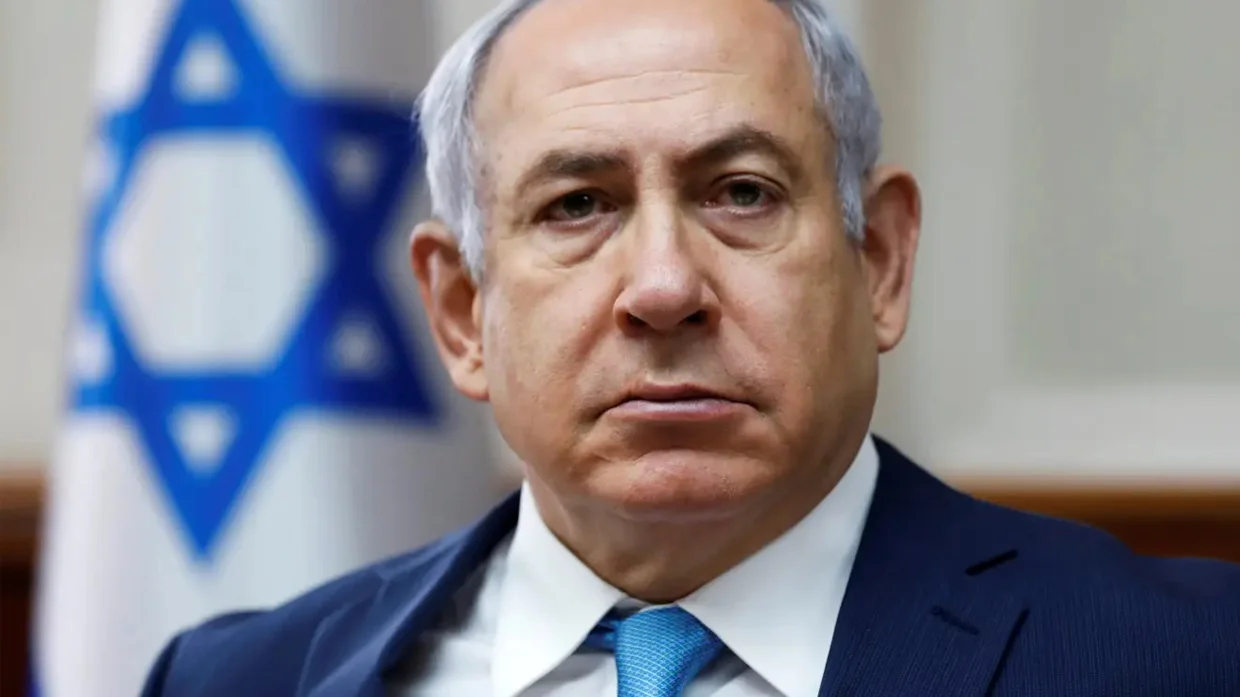
- 01Israeli Prime Minister Benjamin Netanyahu is pushing to resume strikes on Iran after a large-scale operation planned for early October was shelved.
- 02A person cited in reporting said Donald Trump has said the US will not attack Iran at any time before the midterm elections.
- 03Israel votes on 27 October; Netanyahu has warned a future US president could be hostile to Israel.
- 04Brent crude climbed back above $100 a barrel on Wednesday amid Houthi attacks and Hormuz tensions; the EIA expects about $105 in the fourth quarter of 2026.
Israeli Prime Minister Benjamin Netanyahu is pushing to resume strikes on Iran, after the Israeli military shelved a large-scale operation planned for early October. The operation was dropped after US President Donald Trump ruled out an attack before the US midterm elections.
The episode matters for markets and investors because the Iran war has driven oil prices and shipping risk across the Gulf, and the political calendars in Washington and Jerusalem now shape the timing of any new escalation. Israel votes on 27 October; the US midterm elections follow.
What happened
Netanyahu's push to resume attacks on Iran follows the shelving of an operation the Israeli army had prepared for early October. According to a person cited in reporting on the dispute, "The President has said that we will not be attacking Iran at any time prior to the midterm elections."
"The President has said that we will not be attacking Iran at any time prior to the midterm elections."
The statement is attributed to an unnamed person cited in reporting on the dilemma facing Trump and Netanyahu: strike Iran before the elections, or wait.
The disagreement is not new. A report dated 21 May described a heated, hour-long phone call between the two leaders after Trump abruptly paused a planned new wave of US strikes on Iran, reportedly to be named "Operation Sledgehammer". Israeli leaders feared, according to that account, that Tehran was buying time.
What is the background to the war?
The conflict began when Israeli and US forces struck targets in Iran on 28 February 2026, and the fighting widened in early March with Iranian retaliation and market declines. On 25 May Netanyahu said Israel would escalate strikes against Hezbollah in Lebanon.
An opinion piece published on 28 June argued that America's election calendar ended the war. It said that Trump, who in early April had threatened to turn Iran's power plants and bridges to rubble if Tehran did not reopen the Strait of Hormuz, signed a deal eight weeks later. According to that author, the deal gave Iran oil revenue, sanctions relief and a reconstruction plan, because Trump could not afford to hit the price of American gasoline.
Key figures in the current picture:
- 27 October: date of the Israeli election.
- Above $100 a barrel: level Brent crude climbed back to on Wednesday, according to Gulf-based reporting.
- More than $126 a barrel: Brent's post-war peak on 30 April, according to earlier reporting of a later fall of more than 38%.
- About $105 a barrel: the US Energy Information Administration's expected Brent average for the fourth quarter of 2026.
How are the elections shaping the dispute?
Both leaders face voters, and their public positions reflect it. On 18 October Trump endorsed Netanyahu for re-election, praising his leadership on Iran while warning Israel against choosing the wrong leader. On 19 October Vice President JD Vance declined to endorse Netanyahu, saying he was neither "anti-endorsing" nor "pro-endorsing" and was focused on the midterms, even as Trump praised the Israeli leader's war effort.
Netanyahu has himself warned that a future US president could be hostile to Israel. He has urged stronger alliances with India and Latin America ahead of the 27 October vote. Separately, Arab parties could hold the balance of power in a tightly fought election, as Arab-Israeli voters seek action on violent crime and discrimination under his far-right government.
In the US, earlier reporting from the war's first days said some MAGA influencers warned that an Iran strike could hurt Republicans in the midterms.
How did oil and markets react?
Brent crude climbed above $100 a barrel on Wednesday as investors weighed risks to Middle Eastern supplies. Attacks on a tanker near the Strait of Hormuz and on Saudi facilities by Iran-backed Houthis kept traders on edge.
An Iranian official said Tehran would soon block what it calls "illegal routes" through Hormuz. Iranian officials claim daily traffic through the strait has fallen from around 125 vessels before the war to about 10.
The EIA has raised its oil-price forecasts, citing depleted global inventories and continuing disruption from the Iran war. In India, a Kotak Neo strategist warned of uncertainty over US-Iran developments as the Nifty neared 22,000.
What are the risks and counterpoints?
Diplomacy remains stalled. Vance said Iran would need to significantly reduce its uranium-enrichment capacity before Washington would agree to end the war, and that the US wanted concrete steps rather than assurances. Iran has disputed Washington's description of the negotiating difficulties.
The Houthi escalation adds a separate risk. The group fired missiles and drones at Aden International Airport and claimed attacks on Saudi airports in Riyadh, Abha and Khamis Mushait; Saudi authorities confirmed intercepting some projectiles, though not all claims are verified.
Trump's position could also change after the elections, and the sources do not say whether the shelved operation would be revived.
Why it matters
Whether Israel acts alone or waits for Washington determines the next phase of a war that has kept Brent near or above $100 and disrupted Hormuz traffic. A US that blocks Israeli action before its midterms, and a Netanyahu who campaigns on Iran, tie energy prices to two electoral calendars.
For investors, the facts to track are oil, shipping and insurance costs. The US-Israel relationship on Iran now shows public friction alongside public endorsement.
What to watch next
- 27 October: Israel's election and its effect on Netanyahu's Iran policy.
- The US midterm elections, after which Trump's stance on striking Iran could be tested.
- US-Iran talks on uranium enrichment and the future of Hormuz.
- Iran's move on "illegal routes" through Hormuz and Houthi attacks around Bab Al Mandab.
- Brent crude relative to $100 a barrel and the EIA's fourth-quarter expectation of about $105.
Sources:axios.comcnbc.comlivemint.comthehindubusinessline.comthehindubusinessline.comgulfnews.comcnbc.comgulfnews.comaljazeera.combusiness-standard.comreuters.comblogs.timesofisrael.comreuters.comreuters.comthehindubusinessline.com
UCapital Asset Management LLP or group companies may have commercial relationships with the companies mentioned. This content is not financial advice.
Sign up for free to ask the AI about this article.
Elections, tariffs, sanctions and reforms: what changes for markets, countries and supply chains.