
US Strikes Deepen Hardship in Southern Iran Without Fueling Anti-Government Unrest
American airstrikes on southern Iran have worsened living conditions for local communities without triggering a new wave of protests against Tehran. Despite longstanding opposition to the Islamic Republic, many residents now blame U.S.
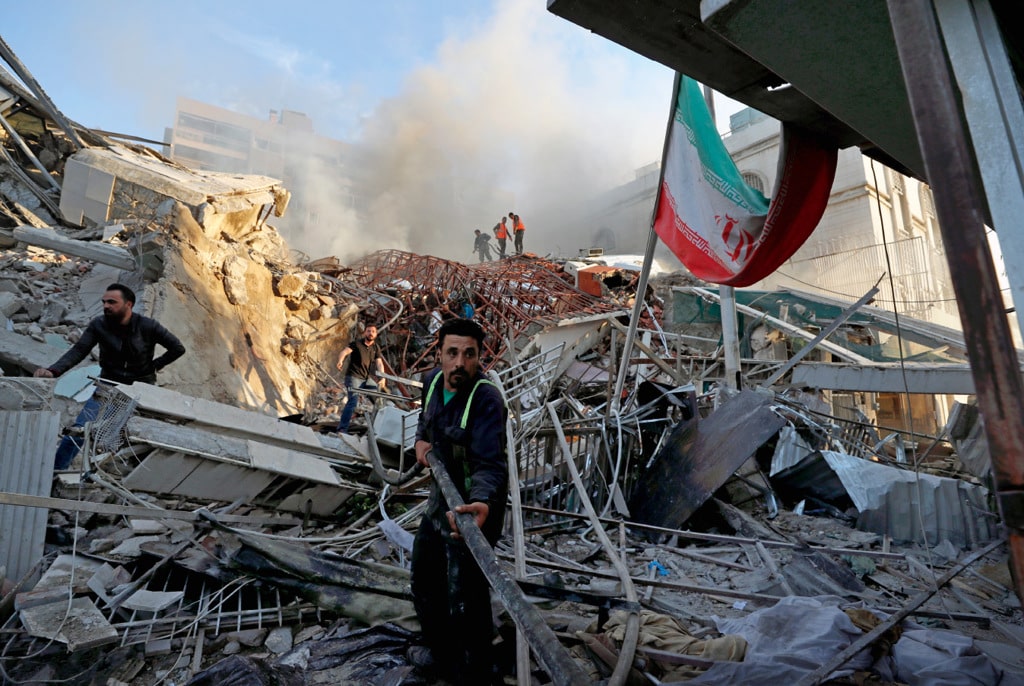
Southern Iran Bears the Brunt of the Conflict
Iran's southern provinces, located along the Strait of Hormuz and home to key energy and port infrastructure, have become primary targets of the U.S. military campaign.
Washington says the strikes are intended to reduce Tehran's ability to threaten maritime traffic through the strategic waterway. Iranian authorities argue that the attacks have gone far beyond legitimate military objectives and have damaged civilian infrastructure.
According to numerous Reuters interviews, the consequences are being felt most heavily by ordinary residents.
Residents Blame Trump Rather Than Tehran
Many people living in southern Iran, despite their longstanding criticism of the Islamic Republic, say the U.S. bombing campaign has dramatically worsened already difficult economic conditions.
Amin, who operates a small guesthouse, says the war has devastated his business.
"Trump has ruined our lives more than the Islamic rulers did."
Many believe the strikes have targeted essential infrastructure, increasing unemployment, poverty and economic hardship.
No New Anti-Government Uprising
Although resentment toward Iran's leadership remains widespread, none of the people interviewed by Reuters expressed support for launching new anti-government demonstrations while the country remains at war.
President Trump's apparent expectation that military pressure would spark internal unrest has therefore failed to materialize.
Instead, the conflict has strengthened nationalist sentiment, leading many government critics to temporarily put political differences aside.
Even critics say they would defend
Reza, a retired teacher and veteran of the Iran-Iraq War, says he has little sympathy for Iran's ruling system.
His son was arrested during the nationwide protests earlier this year.
Nevertheless, he says he would still fight if the country came under threat.
"If my country needs me, I'll take up arms again—not for this regime, but for the soil beneath my feet."
Several other residents expressed similar views.
Years of Neglect Made Worse by War
The provinces of Hormozgan, Bushehr, Khuzestan and Sistan-Baluchistan produce much of Iran's oil and gas but have long complained of chronic underinvestment.
The region is also home to several ethnic and religious minorities—including Arabs, Baluchis and Sunni Muslims—who have accused Tehran of discrimination for decades.
Residents report deteriorating infrastructure, poor public services and electricity networks unable to cope with summer temperatures that often exceed 40°C (104°F).
Blackouts, Water Shortages and Daily Fear
The American strikes have intensified existing infrastructure problems.
Frequent power outages have also disrupted water supplies because electric pumps cannot operate.
Hadi, a grocery store owner in Khuzestan, describes life as increasingly unbearable.
"Without electricity for hours, we also lose water. In this heat, it has become impossible to live."
Many residents say the conflict has turned everyday life into a constant emergency.
Ethnic Minorities Remain Critical of Tehran
Iran's ethnic minorities continue to demand:
- greater recognition of native languages;
- better healthcare;
- stronger environmental protections;
- more economic opportunities;
- greater investment in local infrastructure.
However, the war has temporarily pushed those demands into the background.
Fear, Exhaustion and a Desire for Peace
In Konarak, engineer Majid says every night is filled with explosions, while every day brings extreme heat, blackouts and fears of water shortages.
Students are also struggling.
Samad, a high school student in Bushehr, says he can no longer focus on his exams.
"I wanted freedom, but look what Trump has brought us."
Tehran Fears a Prolonged Economic Crisis
Although the conflict has not triggered fresh anti-government demonstrations, analysts believe Iran's leadership remains deeply concerned about the country's worsening economic conditions.
A prolonged war could eventually fuel renewed social unrest, particularly among lower- and middle-income families facing inflation, unemployment and deteriorating public services.
For now, however, the dominant mood across southern Iran is a growing desire for peace rather than regime change.
UCapital Asset Management LLP or group companies may have commercial relationships with the companies mentioned. This content is not financial advice.
Sign up for free to ask the AI about this article.
Elections, tariffs, sanctions and reforms: what changes for markets, countries and supply chains.