
US and Japan sign agreement on securing rare earths supply

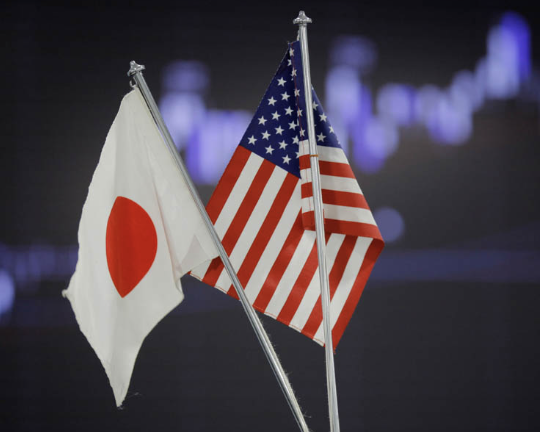
The US and Japan signed an agreement on Tuesday for "securing" supplies of critical minerals and rare earths, the White House said, as President Donald Trump visited Tokyo.
The deal comes as the US tries to boost access to critical minerals with China tightening controls on rare earths.
The objective of the deal is "to assist both countries in achieving resilience and security of critical minerals and rare earths supply chains," the statement said.
It said the US and Japan would "jointly identify projects of interest to address gaps in supply chains for critical minerals and rare earths, including derivative products such as permanent magnets, batteries, catalysts, and optical materials."
The two countries "intend to mobilise government and private sector support," the statement added.
Beijing announced this month sweeping restrictions on the rare earths industry, prompting Trump to threaten 100% tariffs on imports from China in retaliation.
Earlier on his tour of Asia, Trump and Malaysian Prime Minister Anwar Ibrahim signed a trade agreement, boosting US access to critical minerals.
UCapital Asset Management LLP or group companies may have commercial relationships with the companies mentioned. This content is not financial advice.
Sign up for free to ask the AI about this article.
Elections, tariffs, sanctions and reforms: what changes for markets, countries and supply chains.