
UK's Labour economic plan looks like more trouble for taxpayers

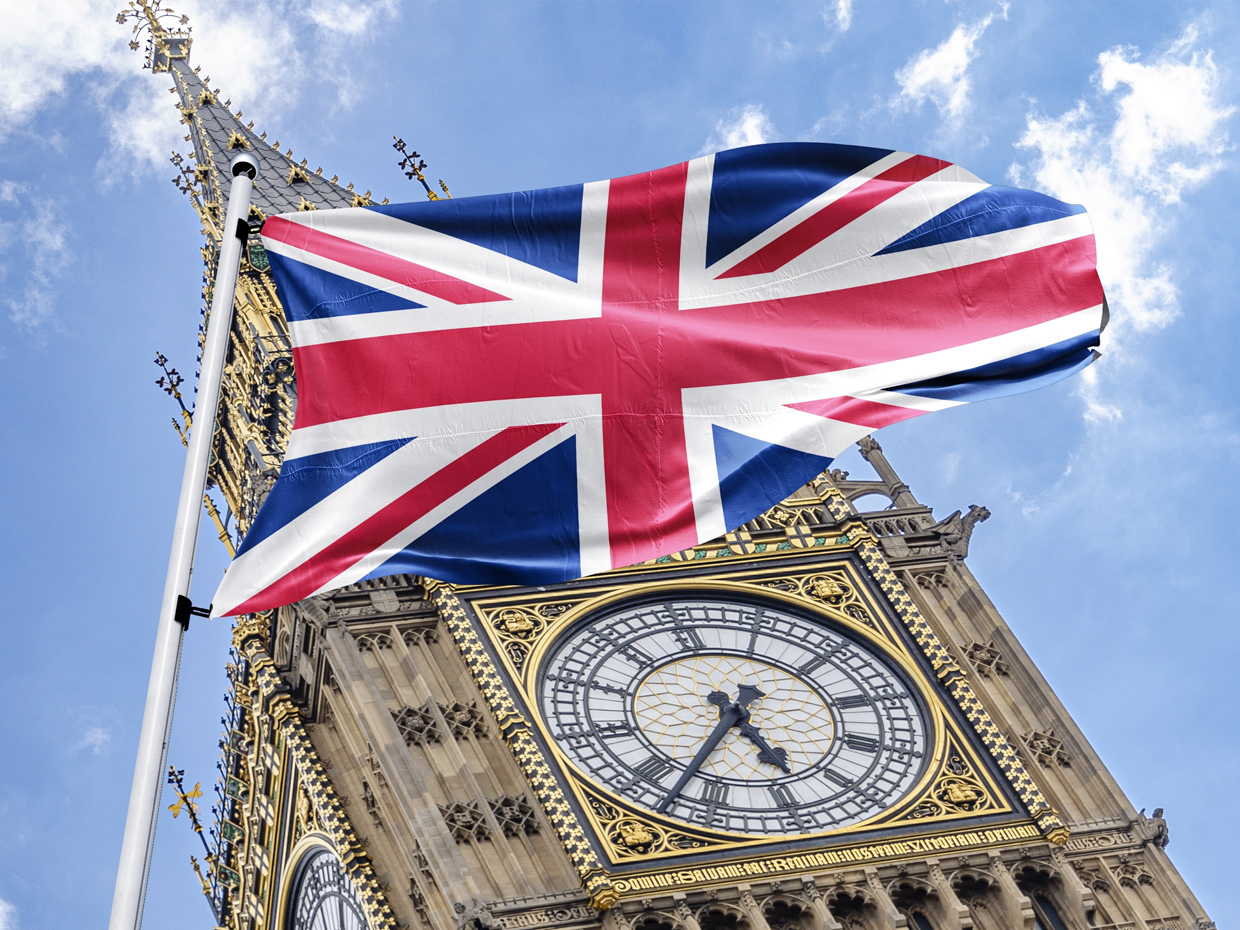
Rachel Reeves, the British Finance Minister, is about to speak to the nation regarding what's next in Starmer's government plan to address lack of GDP growth and the continued rise of debth. After already approving a raise in taxes of 40 billion pounds, the largest since the 90's, the government is still in deep trouble regarding the general welfare of the economy and the approval of Labour's own MPs, steadily pushing for welfare increases.
Reeves has stated that the fault for the ongoing situation completely lies with the former Conservative management of the economy, austerity and Liz Truss' "mini-budget". The Minister assures that austerity is not coming back and the economy is going to get better, but observers and, more importantly for Labour, voters, are not swayed.
The next tax increase is expected to be around 20 to 30 billion pounds, not enough to address debt concerns but definitely enough to anger the British public opinion further.
Nigel Farage, de facto opposition leader and currently favoured for PM next term recently blamed Reeves and the Government for the "exodus of taxpayers" that Britain has been facing. 270.000 people have left the country only this year amidst economic and safety concerns.
Klevis Gjoka
UCapital Asset Management LLP or group companies may have commercial relationships with the companies mentioned. This content is not financial advice.
Sign up for free to ask the AI about this article.
Elections, tariffs, sanctions and reforms: what changes for markets, countries and supply chains.