
Trump announces $12 billion US strategic reserve for rare earths
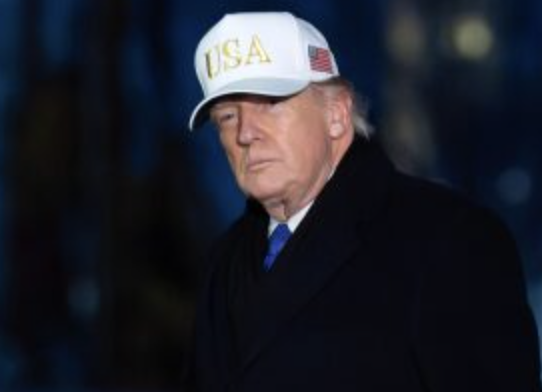
US President Donald Trump said the US will establish a USD12 billion strategic reserve of rare earth elements and other critical minerals, aiming to reduce reliance on China, which controls much of the refining of these metals.
The reserve, Trump said on Monday at the White House, is intended to prevent supply shortages for US companies. Most of the funding, USD10 billion, will come from the US Export-Import Bank, and private investors will cover the remaining USD2 billion.
Under the plan, US companies would be able to purchase critical minerals from the reserve at pre-agreed prices, protecting them from global supply disruptions and price fluctuations. Companies would be expected to replenish the stocks after use.
Rare earths are used in a range of high-tech products, including magnets, electric vehicles and electronics. Other minerals deemed critical include lithium and cobalt.
Trump said the US has been entering agreements for critical minerals with countries worldwide. The US State Department said it would hold a meeting on the issue "delegations from over 50 nations" in Washington on Wednesday.
UCapital Asset Management LLP or group companies may have commercial relationships with the companies mentioned. This content is not financial advice.
Sign up for free to ask the AI about this article.
Elections, tariffs, sanctions and reforms: what changes for markets, countries and supply chains.