
The majority is working on the “Stabilicum” to ensure clear victories for the winning side
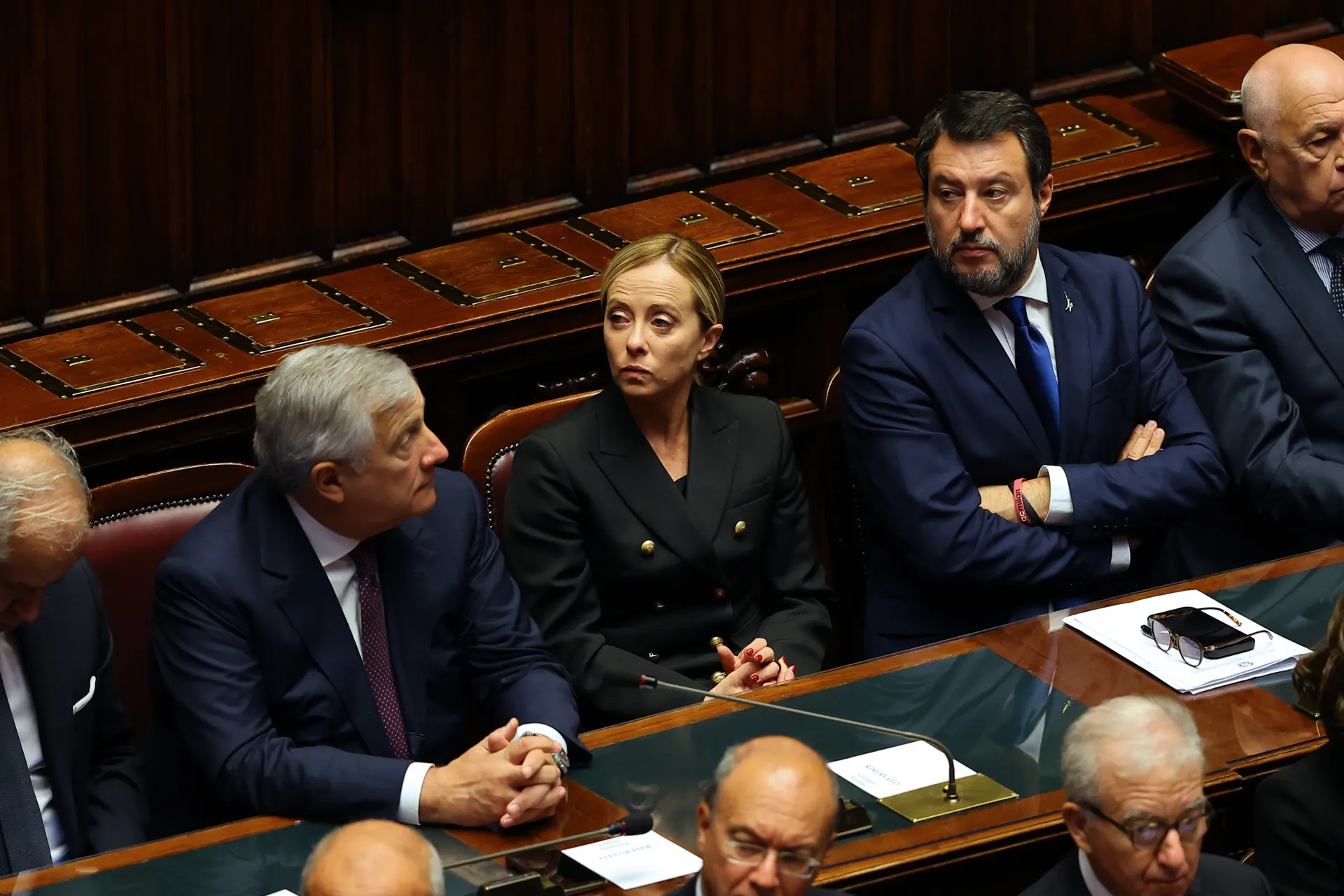
Italian politics appears to have overcome one of its customary impasses thanks to the agreement reached within the governing majority on the new electoral law, dubbed by many within the center-right “Stabilicum” for its clear objective: to promote stability and governability in the country.
This reform is not the result of watered-down compromises, but of careful and pragmatic work that has managed to combine different needs: ensuring representation, avoiding excessive fragmentation, and strengthening the ability of those who win to deliver concrete responses to citizens. The electoral law as designed retains the proportional system, but introduces mechanisms that favor a cohesive and lasting majority, reducing the risk of unstable governments that weaken voters’ trust in institutions.
A central element of the reform is the majority bonus for those who exceed the 40% threshold, a clear incentive to build strong coalitions oriented toward a coherent governing project. This not only enhances the electoral role of political parties, but also makes it easier to form clear parliamentary majorities, an essential factor in addressing the country’s economic and social challenges.
The “Stabilicum” also maintains the 3% electoral threshold, which balances pluralism and representation, preventing excessive fragmentation without penalizing political forces that enjoy genuine support among voters.
Another noteworthy innovation is the possible introduction of a “technical” runoff between the first and second coalition in the event that neither clearly surpasses 40%. This solution is designed to provide additional legitimacy to the winner, avoiding uncertain outcomes and fostering a clear contest between the main political groupings.
It is important to emphasize that the decision not to include the name of the candidate for premiership directly on the ballot does not weaken voters’ role; on the contrary, it entrusts the final decision to political forces and their programs, avoiding excessive personalization that often distorts political debate and shifts attention from substance to individuals.
At a time when many European democracies struggle to translate electoral results into stable and lasting governments, the agreement on the “Stabilicum” represents a significant step forward for Italy. It is not merely a matter of reforming a technical law; rather, it is a responsible political act toward citizens, aimed at making the democratic process more efficient, transparent, and reliable.
It will now be up to the leaders to formally ratify the agreement and present the text in Parliament, but the direction taken is clear: to provide Italy with an electoral law that balances representation and stability, fosters credible majorities, and ensures a government capable of addressing future challenges.
Klevis Gjoka
UCapital Asset Management LLP or group companies may have commercial relationships with the companies mentioned. This content is not financial advice.
Sign up for free to ask the AI about this article.
Elections, tariffs, sanctions and reforms: what changes for markets, countries and supply chains.