
Santanché resigns, and the government’s commitment to due process goes with her
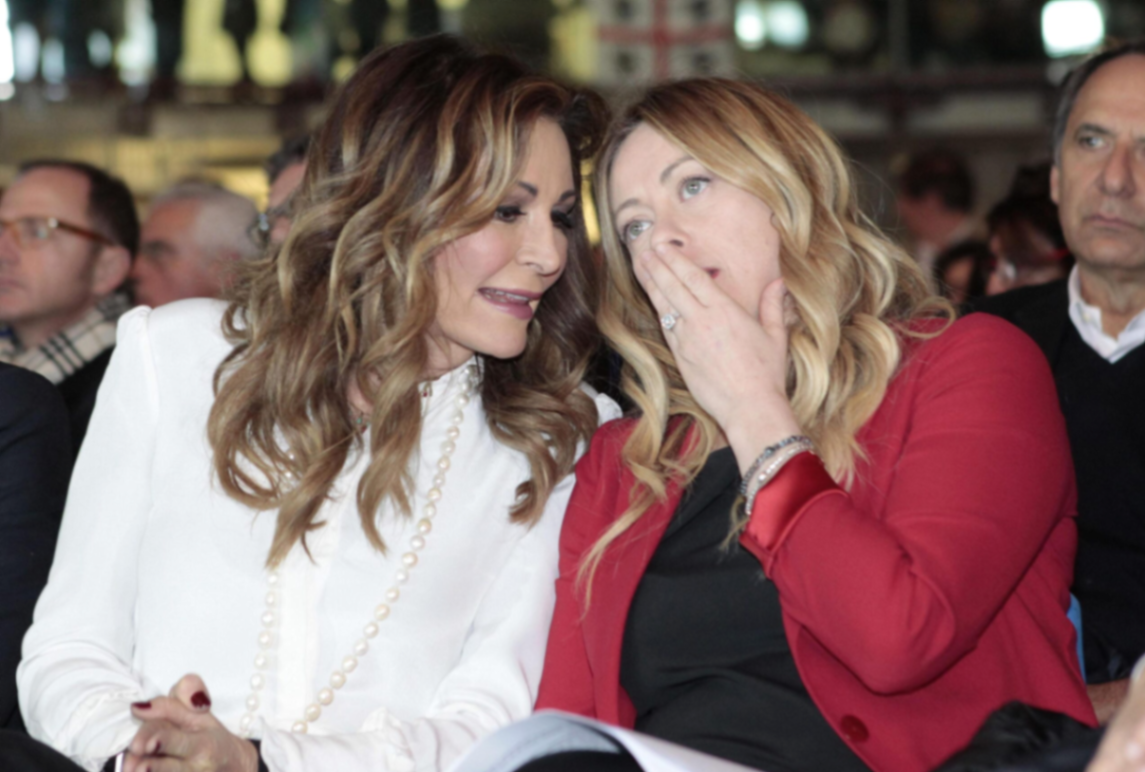
Following the resignation of Tourism Minister Daniela Santanchè, the government led by Giorgia Meloni is attempting to relaunch its political agenda, bringing issues such as electoral reform back to the forefront while trying to move past the tensions that followed the defeat in the justice referendum.
Santanché’s step down comes after days of pressure and after the Prime Minister had publicly expressed hope for “a similar choice,” invoking precedents of other officials who resigned amid legal troubles. This request marks a shift in tone compared to the line maintained for months by the government, which had defended the minister despite ongoing investigations and the absence of any final conviction.
In this transition, a clear tension emerges between the principle of due process, repeatedly emphasized by the ruling majority, and the political handling of the case. Santanché has consistently maintained her innocence and pointed out that she has no convictions, while calls for her resignation intensified only at a moment of political difficulty for the government, following the rejection of the justice referendum.
The broader context has clearly played a role: the electoral setback opened a delicate phase for the executive, prompting Palazzo Chigi to act even on figures it had previously defended. Santanché’s resignation thus appears to be part of a wider “reset” effort that has also involved other figures connected to justice-related matters.
However, a political issue remains: the decision to call for a resignation in the absence of a final ruling risks appearing at odds with the pro–due process stance often championed by the same majority. Opposition parties have highlighted this contradiction, interpreting the move not so much as an act of institutional consistency, but rather as one driven by circumstances and the need to contain the impact of the crisis.
Meanwhile, the government is trying to turn the page by relaunching its priorities and seeking to restore unity. Yet the Santanché case leaves an open question in the background: to what extent due process remains a firm principle, and how much it may bend under political pressure.
Klevis Gjoka
UCapital Asset Management LLP or group companies may have commercial relationships with the companies mentioned. This content is not financial advice.
Sign up for free to ask the AI about this article.
Elections, tariffs, sanctions and reforms: what changes for markets, countries and supply chains.