
Russia: Moscow Reaffirms Central Role of Nuclear Deterrence
The Kremlin strengthens its military strategy as geopolitical tensions with the West continue…
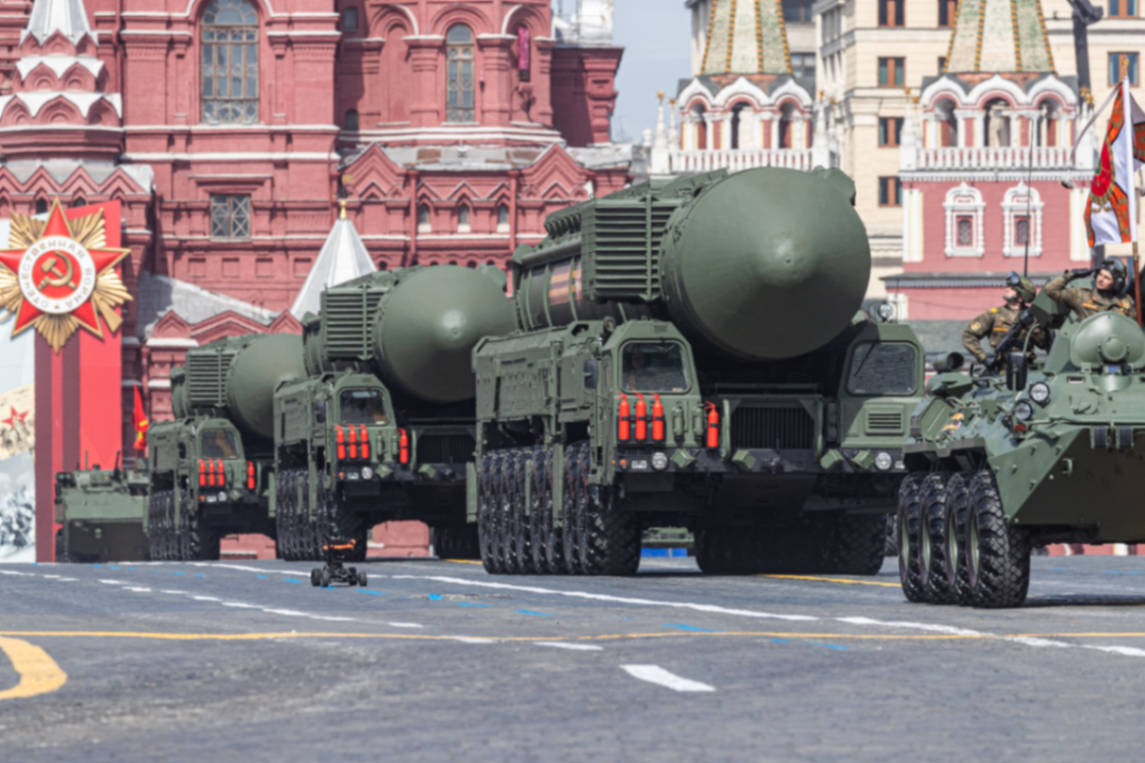
Moscow reinforces its nuclear deterrence doctrine
Russia has reaffirmed that nuclear deterrence remains one of the fundamental pillars of the country’s national security. Statements from Moscow confirm the Kremlin’s determination to maintain Russia’s strategic capabilities amid growing geopolitical tensions worldwide.
According to Russian authorities, nuclear forces represent an essential guarantee against external threats and a central element of the global military balance.
Tensions with the West remain high
The issue of nuclear deterrence has returned to the center of international debate as tensions continue between Russia and Western countries. The conflict in Ukraine, the strengthening of NATO in Eastern Europe, and new Western military strategies are viewed by Moscow as increasing pressure on Russian security.
The Kremlin argues that the current international environment requires the continuous reinforcement of the country’s defensive and strategic capabilities.
Modernization of the strategic arsenal
In recent years, Russia has accelerated the modernization of its nuclear arsenal. Moscow continues to invest in intercontinental ballistic missiles, hypersonic systems, and new military technologies considered crucial for maintaining strategic parity with the United States.
Russian officials claim that strengthening deterrence is intended to prevent direct conflicts between major powers and preserve strategic stability.
International concerns over a new arms race
Russian statements are nevertheless raising fresh concerns within the international community. Several Western governments and security analysts fear growing military competition and the possibility of a new global nuclear arms race.
The weakening of arms control agreements and the deterioration of diplomatic relations between Moscow and Washington are increasing uncertainty over the future of global strategic balance.
The role of deterrence in modern geopolitics
For Russia, nuclear deterrence remains a fundamental geopolitical instrument. Moscow sees its atomic capabilities not only as a guarantee of national defense but also as a source of international political influence.
The Russian strategy reflects a vision of global security increasingly based on competition between major powers and the maintenance of advanced military capabilities.
The risk of rising global tensions
The Kremlin’s continued emphasis on nuclear weapons highlights the growing instability of the international environment. Experts believe that arms control dialogue and strategic security will become some of the most delicate issues in the coming years.
Meanwhile, relations between Russia, the United States, and NATO continue to represent one of the main sources of tension in the global geopolitical landscape.
UCapital Asset Management LLP or group companies may have commercial relationships with the companies mentioned. This content is not financial advice.
Sign up for free to ask the AI about this article.
Elections, tariffs, sanctions and reforms: what changes for markets, countries and supply chains.