
Orban could lose an election for the first time in 16 years
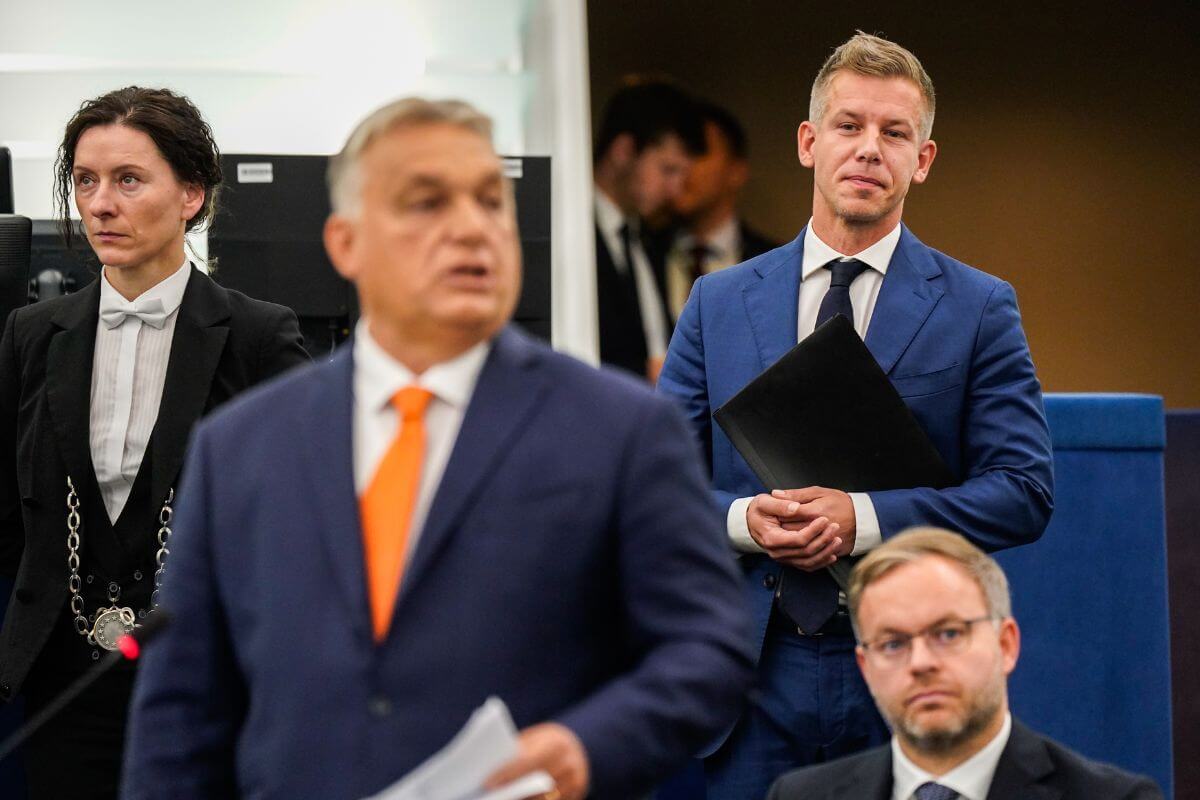
Hungary is preparing to return to the polls on April 12 in a political climate marked by strong expectations, both domestically and across Europe. After more than a decade of Viktor Orbán’s largely unchallenged rule, this election represents one of the most significant tests for the country’s political future in recent years.
At the center of attention is the rise of the Tisza party, led by Péter Magyar, which many observers see as reflecting a growing demand for renewal. Emerging from a fracture within the established power system, the movement has rapidly gained support, presenting itself as a credible alternative capable of appealing to both urban voters and an increasingly broad segment of rural constituencies.
In recent months, the election campaign has revealed a shift in both tone and substance in the political debate. Tisza has focused on issues such as anti-corruption efforts, economic revitalization, and strengthening relations with the European Union, positioning itself as a pragmatic force aiming to restore a more constructive dialogue with Brussels. This approach has contributed to a sense of cautious optimism within European institutions about a possible rapprochement after years of tension.
It is no coincidence that several polls suggest an advantage for the opposition, signaling a potential turning point in Hungary’s political landscape. At the same time, a significant share of undecided voters leaves the final outcome open, making the race more competitive and less predictable than in the recent past.
Even in areas traditionally favorable to the ruling party, signs of change are emerging. Tisza’s strategy, based on grassroots outreach and direct engagement with voters, appears to be making inroads into some of Fidesz’s long-standing strongholds, suggesting a gradual rebalancing of support.
In this context, the April 12 vote carries significance that goes beyond national borders. For many European observers, a Tisza victory could mark the beginning of a new phase in relations between Budapest and the EU, characterized by greater cooperation and the possible unfreezing of currently suspended funds.
While the final outcome remains uncertain, one clear takeaway is that Hungary’s political system now appears more open and competitive. And it is precisely this renewed contestability of power that many, both within the country and abroad, see as a positive sign for Hungarian democracy and its role within the European Union.
Klevis Gjoka
UCapital Asset Management LLP or group companies may have commercial relationships with the companies mentioned. This content is not financial advice.
Sign up for free to ask the AI about this article.
Elections, tariffs, sanctions and reforms: what changes for markets, countries and supply chains.