
Nepal Heads to the Polls After the Gen Z Revolution
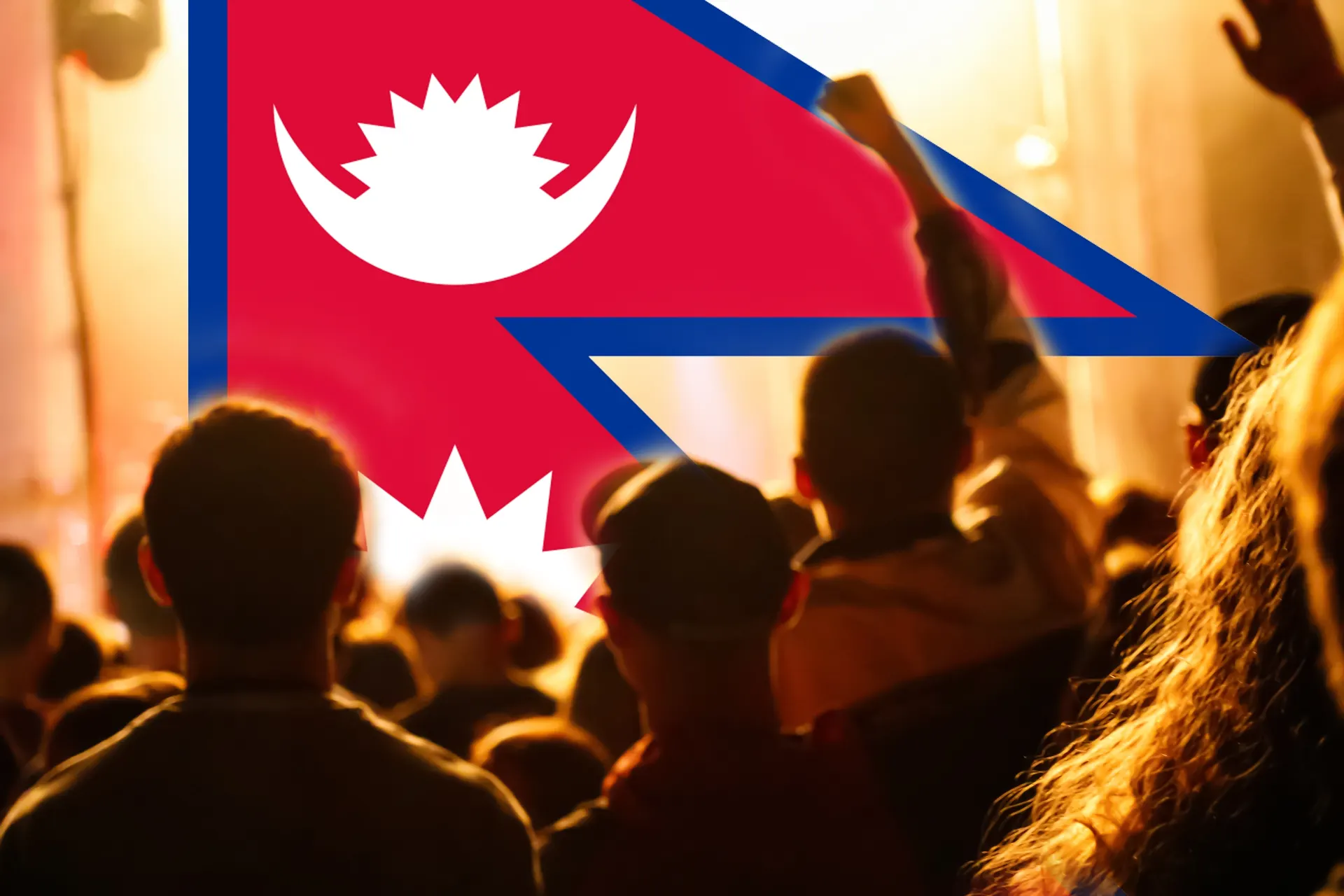
Nepal is preparing to vote, but this time it is not an election like the others. It is the first trip to the polls since the mobilization led by Generation Z shook the country and brought down the government. A season of protests that cost 77 lives, yet managed to crack a political system widely perceived as self-serving and corrupt.
On March 5, nearly 19 million voters will be called to choose the 275 members of Parliament. Among them are about one million new voters, largely young people mobilized by last September’s demonstrations. It is no small detail: it signals that a generation long marginalized has decided to step into the room where decisions are made.
For more than thirty years, Nepal has lived in chronic political instability: 32 changes of government since 1990, an economy largely based on agriculture, and millions of citizens forced to seek work abroad. In this context, the repeated promises of traditional parties have lost credibility. The streets have demanded real jobs, decent wages, and transparency. They have demanded a break from the past.
The protesters’ target is not only corruption, but an entire establishment. Among the key figures of that season is Balendra Shah, 35, former mayor of Kathmandu and former rapper, now a candidate for prime minister from the Rastriya Swatantra Party. His profile embodies the idea of generational change: less party machinery, more direct contact with an urban and youthful base that no longer identifies with the old patterns.
On the other side stands the old guard. The Nepali Congress and above all the Communist Party of Nepal (UML) have dominated the scene for decades. The best-known face of the latter is K.P. Sharma Oli, 74, a four-time prime minister who resigned after the September killings. For many young people, he represents a political cycle that has run its course: long-standing leaderships, unfulfilled promises of stability, and recurring accusations of opaque power management.
The Communist Party in particular is paying the price for its identification with a system that has failed to offer concrete prospects to an educated but unemployed or underemployed generation. Slogans of renewal and social justice have clashed, critics argue, with governing practices seen as conservative and lacking transparency. It is on this fracture that the youth uprising built its moral legitimacy.
Analysts warn that turning the energy of the streets into parliamentary seats is no easy task. But the issue today is not merely arithmetic. It is cultural. Nepal’s Gen Z has imposed new themes and language: accountability, merit, opportunity, an end to privilege. It has forced parties to speak about structural reforms and internal renewal.
Tomorrow’s vote will show whether the grassroots push can translate into government. But one thing already seems clear: the era of political automatism is over. In a country wedged between giants such as China and India, the real novelty is not only geopolitical. It is generational.
And if traditional politics, starting with the Communist Party, fails to read this signal, it may find itself facing not a brief parenthesis of protest, but the beginning of a new constituent season led by its youngest citizens.
Klevis Gjoka
UCapital Asset Management LLP or group companies may have commercial relationships with the companies mentioned. This content is not financial advice.
Sign up for free to ask the AI about this article.
Elections, tariffs, sanctions and reforms: what changes for markets, countries and supply chains.