
Meloni’s electoral reform starts its Parliament journey
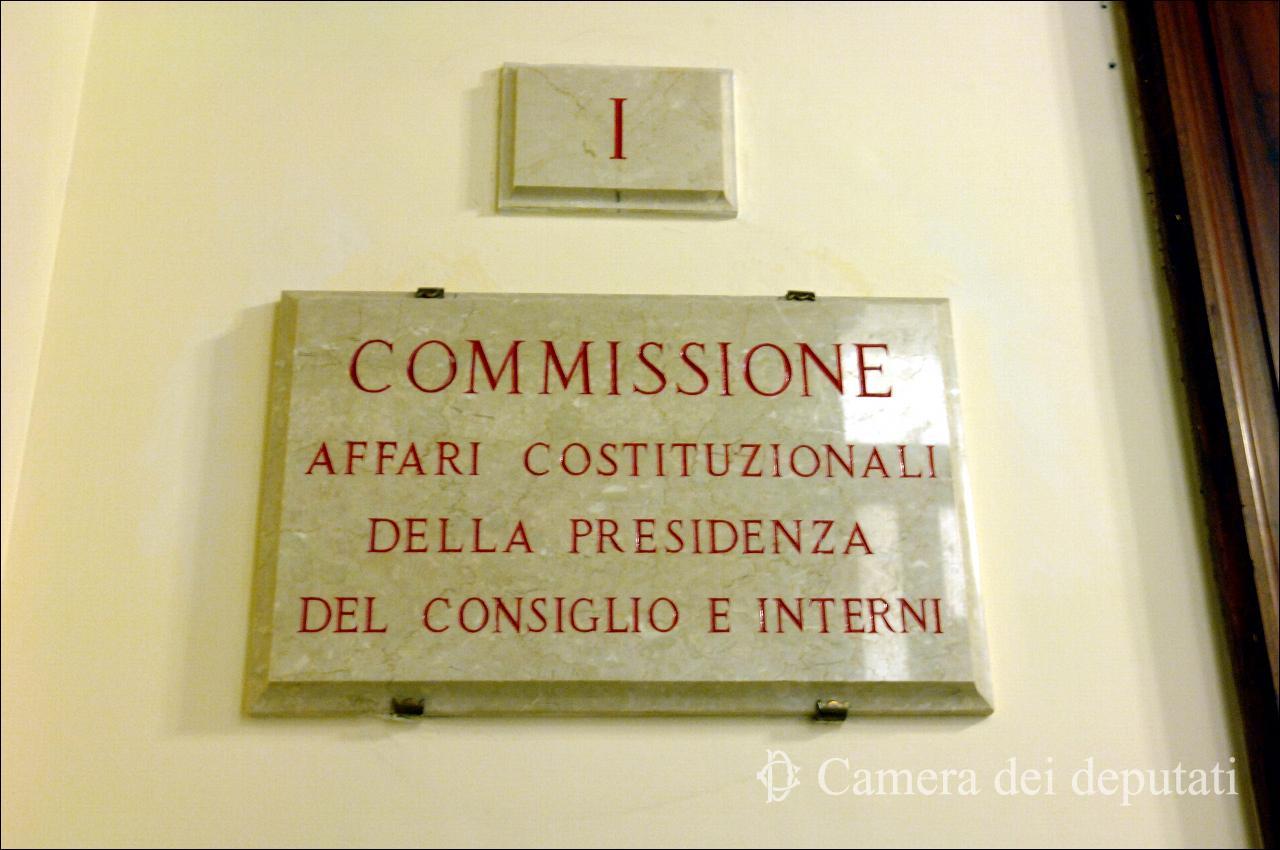
The electoral reform has reached the Constitutional Affairs Committee in the Lower Chamber amid a tense political climate, marked not only by open confrontation but also by behind-the-scenes calculations and quieter maneuvering. According to parliamentary sources, the decision to accelerate came in the immediate aftermath of the referendum, when leaders within the governing majority became convinced that slowing down would signal weakness. Instead, they chose to push forward on what is considered a central issue for the functioning of the political system, also to avoid the legislature slipping into a phase of paralysis.
Behind closed doors, discussions within the majority were far from smooth. Some coalition partners reportedly urged a more cautious approach, wary of triggering a direct clash with the opposition, while others insisted on the need for a decisive shift. In the end, a clear political line prevailed: move forward regardless, putting forward a proposal that, in its supporters’ view, should strengthen the ability of governments to last and to act decisively.
Public statements, however, remain sharp. Government figures emphasize the need to “give stability to the country” and to prevent the recurrence of fragile majorities, often formed through post-election bargaining. The argument of governability is presented as a priority, especially in light of an international and economic context that demands solid leadership and continuity in decision-making. While divisive, this stance taps into a long-standing concern within Italian politics.
The opposition, for its part, denounces what it sees as a unilateral initiative. Members of the Democratic Party describe the move as a political mistake carried out without broad consensus, while representatives of the Five Star Movement and the Greens–Left Alliance voice stronger criticism, suggesting the reform is tailored to benefit the current majority. Centrist forces have also called for a pause and renewed dialogue, warning of the risk of yet another electoral law destined to be overturned after the next change in power.
Yet away from the spotlight, the picture appears more nuanced. Several opposition lawmakers, while maintaining a critical public stance, privately acknowledge that reforming the electoral system may be unavoidable. Some admit that the issue of government stability cannot be ignored and that a balance will eventually have to be found. This does not amount to support for the reform, but it does suggest potential room for negotiation as the parliamentary process unfolds.
Another behind-the-scenes element concerns timing. According to insiders, the majority aims to secure an initial approval before the summer, leaving more time afterward to manage the second reading. It is an ambitious timetable that could, however, run up against the obstructionism already announced by the opposition.
In this context, the reform represents both a political and an institutional test. Beyond the clashes, a broader issue remains in the background, one that even some critics recognize: without a system capable of fostering more stable majorities, the country risks continuing to swing between weak governments and recurring crises. It is on this ground that the majority is making its case, presenting the reform not merely as a political move, but as an attempt, arguably imperfect and open to revision, to address a structural weakness in Italy’s political system.
Klevis Gjoka
UCapital Asset Management LLP or group companies may have commercial relationships with the companies mentioned. This content is not financial advice.
Sign up for free to ask the AI about this article.
Elections, tariffs, sanctions and reforms: what changes for markets, countries and supply chains.