
Latin America Between Crisis and Tensions: Colombia Returns to the Center of Concern
Renewed violence and the presidential election climate are increasing political instability…
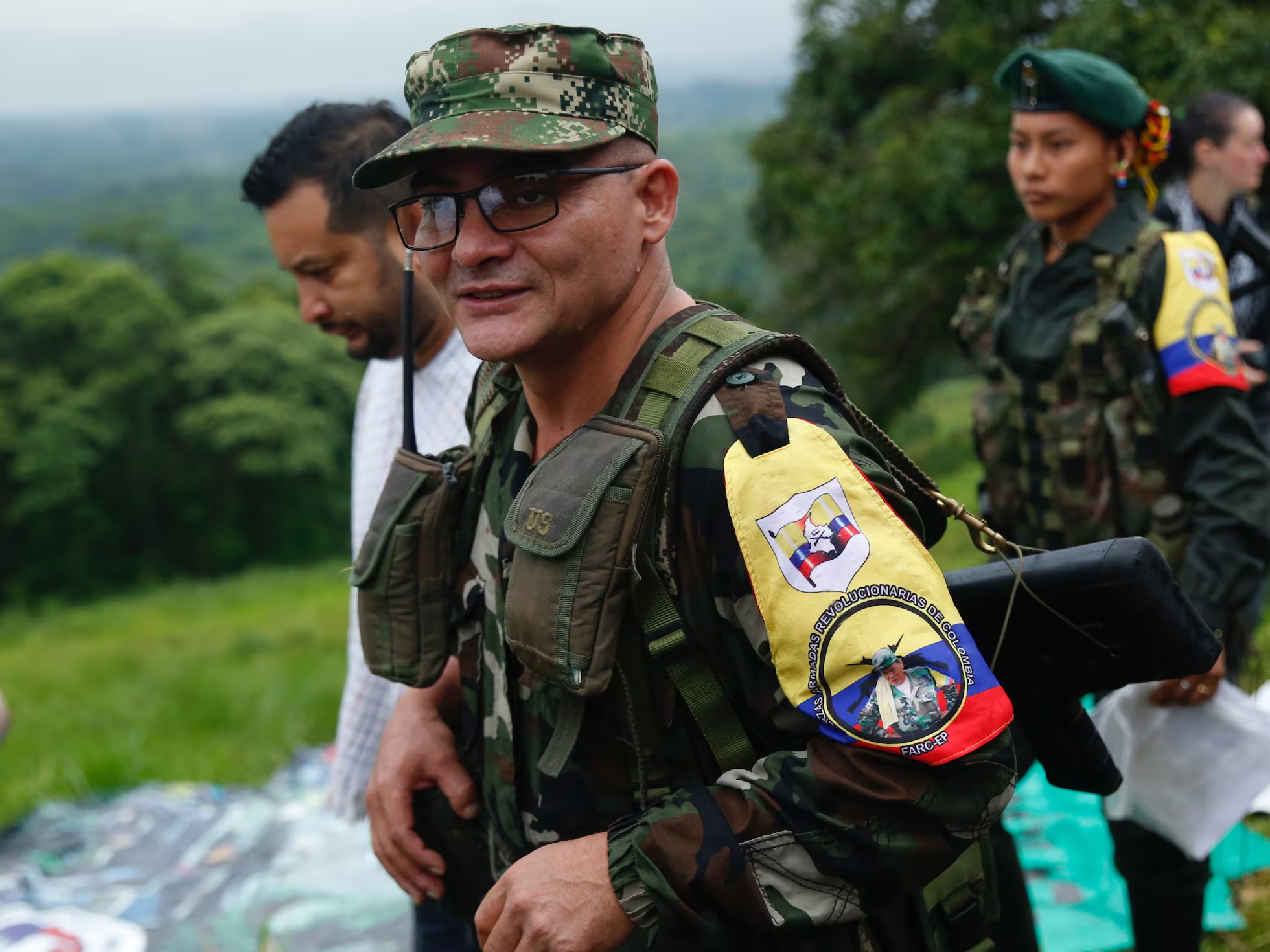
Colombia Falls Back Into Insecurity
Colombia is experiencing a new phase of severe instability marked by the resurgence of armed violence and an increasingly tense political climate ahead of the 2026 presidential elections. After years of hope linked to the 2016 peace agreement with the FARC, the country is once again facing a serious internal security crisis.
According to the International Committee of the Red Cross, 2025 recorded the worst humanitarian impact of the Colombian conflict in the past decade, with rising displacement, armed attacks, and civilian casualties.
The regions most affected include Cauca, Catatumbo, Arauca, and Chocó, where armed groups, FARC dissidents, drug traffickers, and the ELN continue to fight for territorial control.
The Resurgence of Armed Violence
In recent months, Colombia’s security situation has rapidly deteriorated. Bombings, massacres, and armed clashes have increased across several regions, fueling fears of a return to the darkest years of the country’s internal conflict.
Between January and April 2026, dozens of massacres with hundreds of victims were reported. One of the most serious incidents occurred in the Cauca region, where an explosion targeting a bus on the Pan-American Highway caused multiple deaths and injuries. Colombian authorities blamed FARC dissident groups for the attack.
According to international observers, the partial failure of President Gustavo Petro’s “Total Peace” strategy has allowed several armed groups to strengthen their territorial influence.
The 2026 Presidential Elections Under Pressure
The worsening violence is also heavily affecting Colombia’s political landscape ahead of the presidential elections. The campaign is unfolding in an atmosphere marked by threats, attacks, and deep ideological tensions.
International reports and election observers warn that hundreds of Colombian municipalities face high risks related to political violence and possible intimidation of candidates and voters.
Security has become the central issue of the political debate. Part of the population supports continuing negotiations with armed groups, while others demand a return to tougher security policies and stronger military intervention.
The climate of tension has been intensified by the increase in attacks against political figures and local leaders, reviving fears of a new era of political violence in the country.
Drug Trafficking and Territorial Control
One of the main drivers of Colombia’s crisis remains drug trafficking. Criminal organizations continue financing armed groups and illegal networks through cocaine production and trafficking, especially in rural areas where state presence remains weak.
Control over strategic drug routes and illegal mining operations fuels clashes between rival groups and contributes to the country’s destabilization. Local communities, particularly Indigenous and rural populations, are among those most exposed to violence, displacement, and human rights violations.
A Democracy Under Pressure
Colombia remains one of Latin America’s most important democracies, but the combination of armed violence, political polarization, and institutional fragility represents a growing threat to national stability.
The 2026 presidential elections will be decisive not only for the country’s political future but also for the security and peace strategy Colombia will adopt in the coming years.
Many analysts believe the next government will need to strike a balance between negotiations, stronger state presence, and military action against armed groups, avoiding both the collapse of dialogue and a new escalation of internal conflict.
UCapital Asset Management LLP or group companies may have commercial relationships with the companies mentioned. This content is not financial advice.
Sign up for free to ask the AI about this article.
Elections, tariffs, sanctions and reforms: what changes for markets, countries and supply chains.