
G20 summit in South Africa faces US boycott, shifts focus

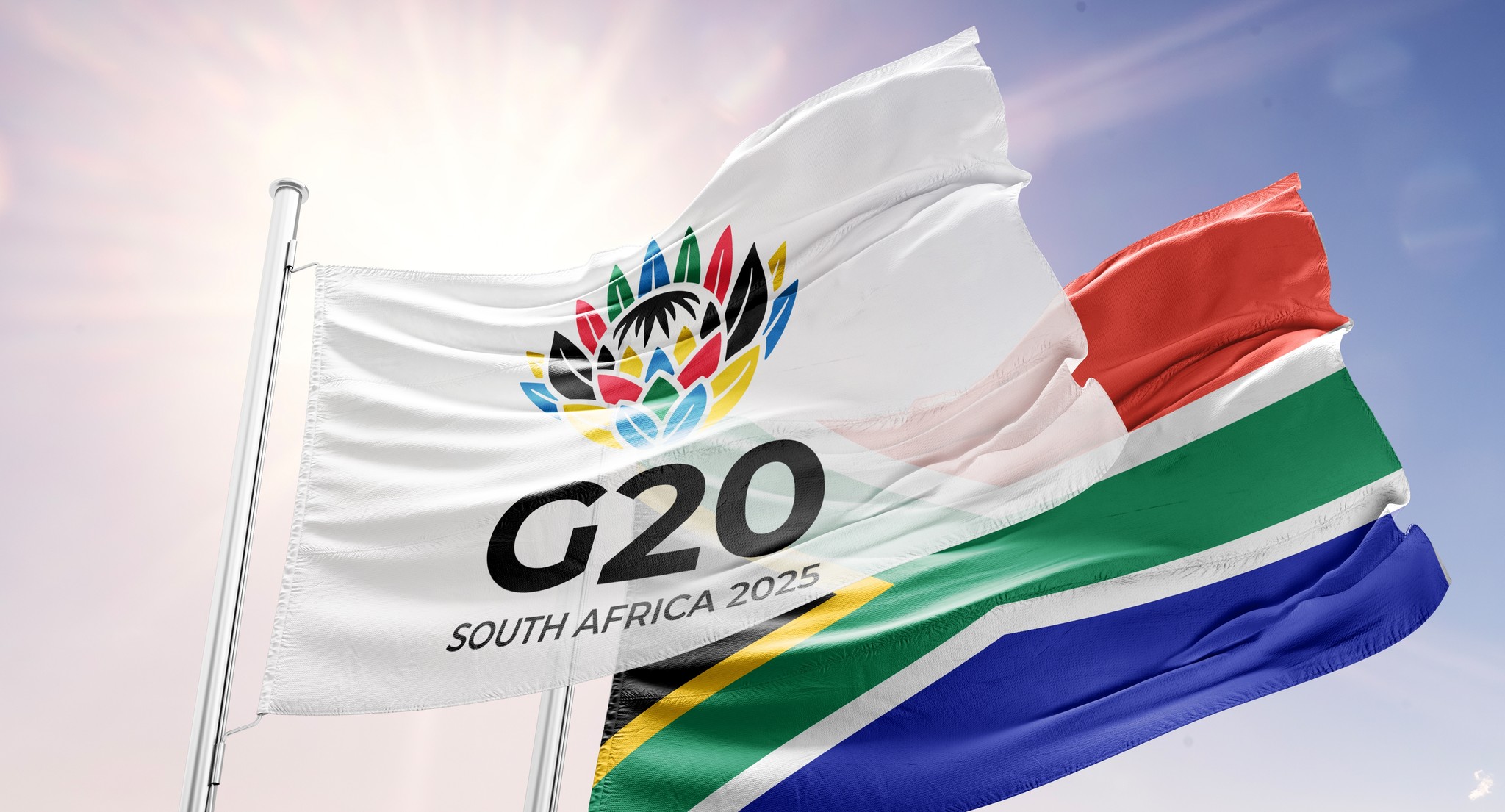
The upcoming G20 summit in Johannesburg will take place without the participation of the United States and Argentina, reshaping the agenda toward bilateral meetings and technical cooperation on trade and climate.
The next G20 summit in Johannesburg, South Africa, is set to be marked by a significant boycott from the United States. Former President Donald Trump announced the decision to skip the event, citing unverified claims of “Afrikaner massacres” in South Africa. Argentina’s President Javier Milei will also be absent, while China will send Premier Li Qiang in place of Xi Jinping.
No joint communiqué is expected from the summit. Delegates will prioritize bilateral meetings and discussions on trade and climate change coordination. South African President Cyril Ramaphosa called the US boycott “a loss for the global role of the United States,” emphasizing the symbolic impact of missing key leaders.
Despite the absence of major figures, minor working groups are expected to advance discussions on air quality and the fight against wildlife trafficking. Observers note that while the summit will largely be “dormant” politically, technical cooperation and sectoral initiatives may still deliver measurable outcomes.
Analysts say the boycott highlights the fragility of multilateral economic forums when major powers withdraw. Without the US, discussions on global trade, supply chains, and climate finance may see limited progress, potentially affecting investment flows and market confidence.
Regional powers and emerging economies may gain influence, steering conversations on sustainable development, trade agreements, and environmental regulations. Some experts suggest this could accelerate the shift toward multipolar economic leadership, with China and African nations playing more central roles.
The absence of joint agreements could prolong uncertainty in global markets, particularly around tariffs, exchange rates, and cross-border investment strategies. However, technical working groups may still yield practical outcomes in environmental protection, logistics, and regulatory coordination, offering incremental economic and social benefits despite the limited political impact.
UCapital Asset Management LLP or group companies may have commercial relationships with the companies mentioned. This content is not financial advice.
Sign up for free to ask the AI about this article.
Elections, tariffs, sanctions and reforms: what changes for markets, countries and supply chains.