
EU and US tighten sanctions on Russian energy; oil prices surge

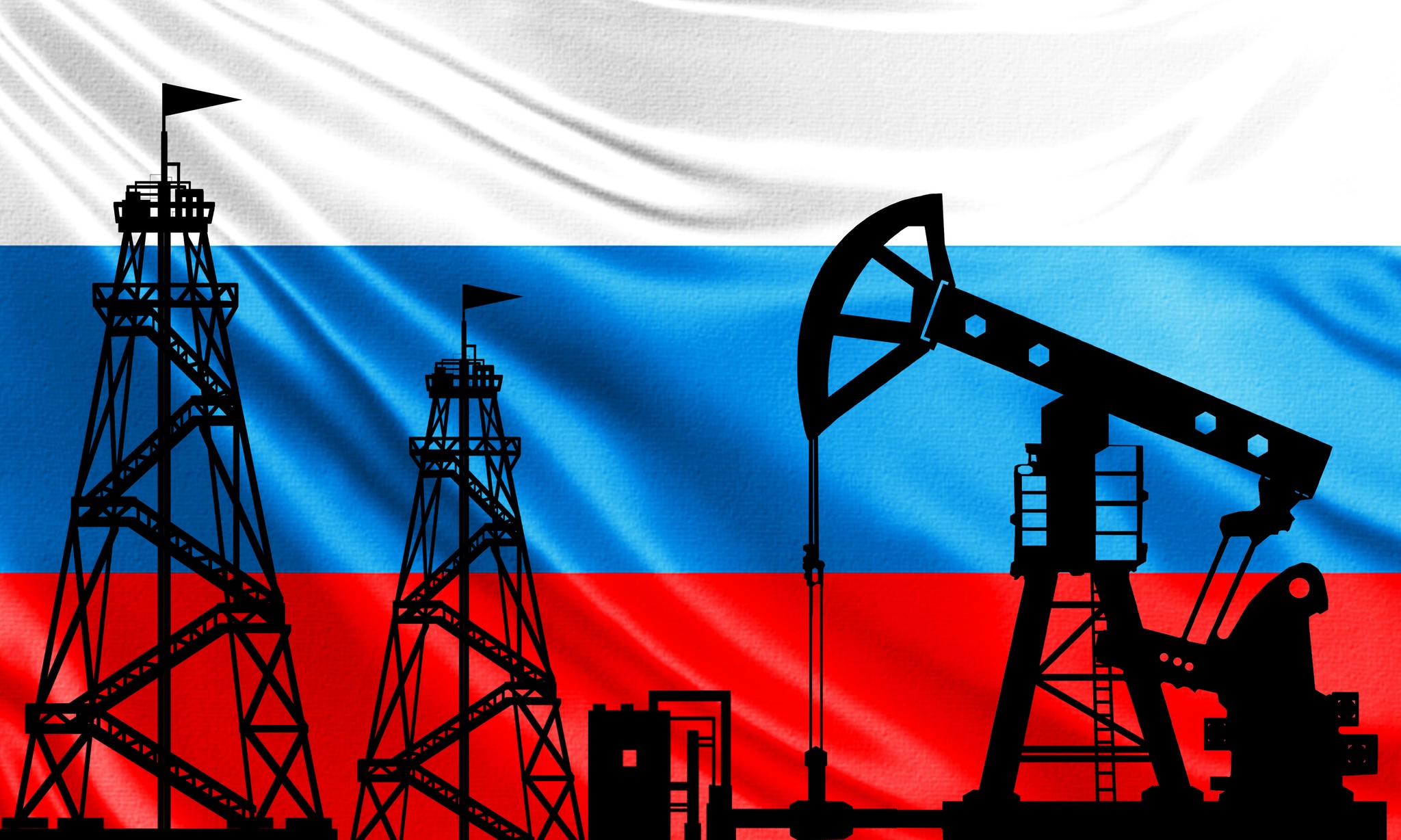
The European Union and the United States unveiled coordinated measures tightening sanctions on Russia’s energy sector, sending global oil prices sharply higher.
The EU adopted its 19th sanctions package, aimed at undermining Moscow’s energy revenues and restricting its ability to finance the war in Ukraine. The new measures include a ban on Russian LNG imports starting in 2027, a tightened transaction ban on two major Russian oil companies, and sanctions against 117 “shadow fleet” vessels used to circumvent earlier restrictions.
The EU will also target 45 entities accused of helping Russia evade sanctions, including 12 companies based in China and Hong Kong. Additional steps include a ban on reinsurance for used Russian ships and aircraft, as well as expanded banking restrictions covering five Russian banks and financial intermediaries in Belarus and Kazakhstan.
Almost simultaneously, the United States imposed sanctions on Rosneft PJSC and Lukoil PJSC, Russia’s two largest oil producers – a major policy shift for President Donald Trump, who had previously signaled openness to talks with Vladimir Putin. Following the announcements, Brent crude jumped nearly 4% to around $65 a barrel, while WTI rose toward $61.
Analysts say the joint EU–US actions mark one of the most significant efforts yet to choke off Russia’s energy income, though their effectiveness will depend heavily on the response of India and China, now the biggest buyers of Russian crude.
UCapital Asset Management LLP or group companies may have commercial relationships with the companies mentioned. This content is not financial advice.
Sign up for free to ask the AI about this article.
Elections, tariffs, sanctions and reforms: what changes for markets, countries and supply chains.