
Escalation in the Persian Gulf: Rising Tensions With Iran
Drone attacks, the Strait of Hormuz crisis, and energy fears increase the risk of a regional…
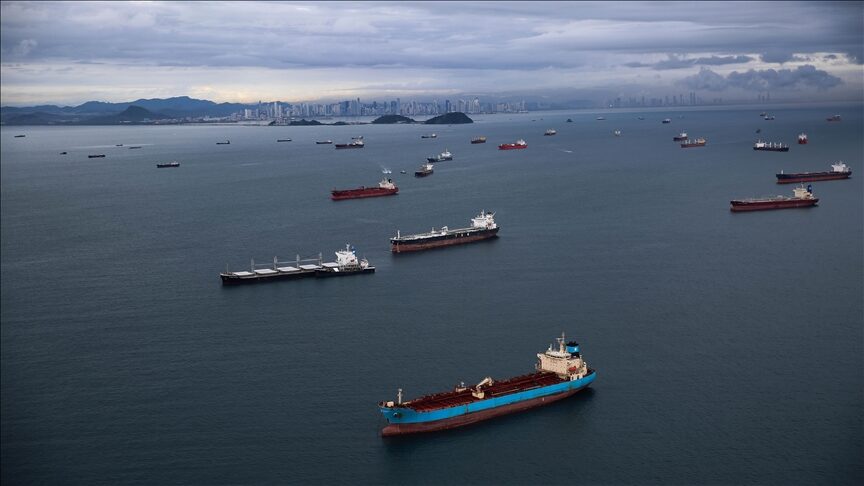
New tensions shake the Persian Gulf
The Persian Gulf has once again become the center of international geopolitical tensions following a new military escalation involving Iran, the United States, and Gulf countries. Recent drone attacks targeting strategic infrastructure in the United Arab Emirates have increased fears of a wider regional conflict.
The tensions come at an already fragile moment, with the Strait of Hormuz continuing to represent one of the world’s most critical routes for global energy trade.
The Strait of Hormuz under pressure
The Strait of Hormuz has once again become a key flashpoint in the strategic confrontation between Washington and Tehran. Iran has intensified threats and military operations in the area, while the United States has strengthened its naval presence to ensure the safe passage of commercial and oil tankers.
According to international sources, new military actions and attacks against commercial vessels are increasing the risk of a major global energy crisis, considering that a significant portion of the world’s oil supply passes through this strategic maritime corridor.
Drone attacks and strategic infrastructure
The situation worsened after a recent drone strike near the Barakah nuclear power plant in the United Arab Emirates. Emirati authorities accused Iran or allied groups of being responsible for the operation, describing it as a “dangerous escalation.”
The incident has raised international concerns over the security of energy and nuclear infrastructure in the region, while fears grow over possible new attacks against civilian and industrial targets.
Oil and global markets on alert
The escalation in the Persian Gulf is already having immediate effects on international energy markets. Oil prices remain highly volatile as investors and governments closely monitor every development in the crisis.
Analysts fear that any prolonged disruption in the Strait of Hormuz could trigger global economic shocks, directly affecting inflation, transportation costs, and international financial stability.
International diplomacy under pressure
As military tensions rise, international diplomacy is attempting to prevent further deterioration of the situation. Several countries are intensifying diplomatic contacts to avoid a regional war that could directly involve multiple international actors.
However, deep divisions between Iran, the United States, and regional allies continue to make every de-escalation effort extremely fragile.
The Middle East remains a critical front
The new crisis confirms that the Middle East continues to be one of the world’s main geopolitical flashpoints. Energy, maritime security, and strategic rivalries are reshaping both regional and global balances.
For the international community, the greatest concern remains the risk of an uncontrollable spiral of military escalation with potentially devastating consequences for the global economy and international security.
UCapital Asset Management LLP or group companies may have commercial relationships with the companies mentioned. This content is not financial advice.
Sign up for free to ask the AI about this article.
Elections, tariffs, sanctions and reforms: what changes for markets, countries and supply chains.