
Cuba receives Russian oil after months of blockade: between Trump’s TACO tactic and market uncertainty
A Russian tanker has just reached Cuba, despite the U.S. blockade. Onboard, there’s not only oil but also humanitarian aid. However, U.S. President Donald Trump doesn’t seem inclined to take “strong measures,” showing a degree of leniency and tolerance regarding the situation.
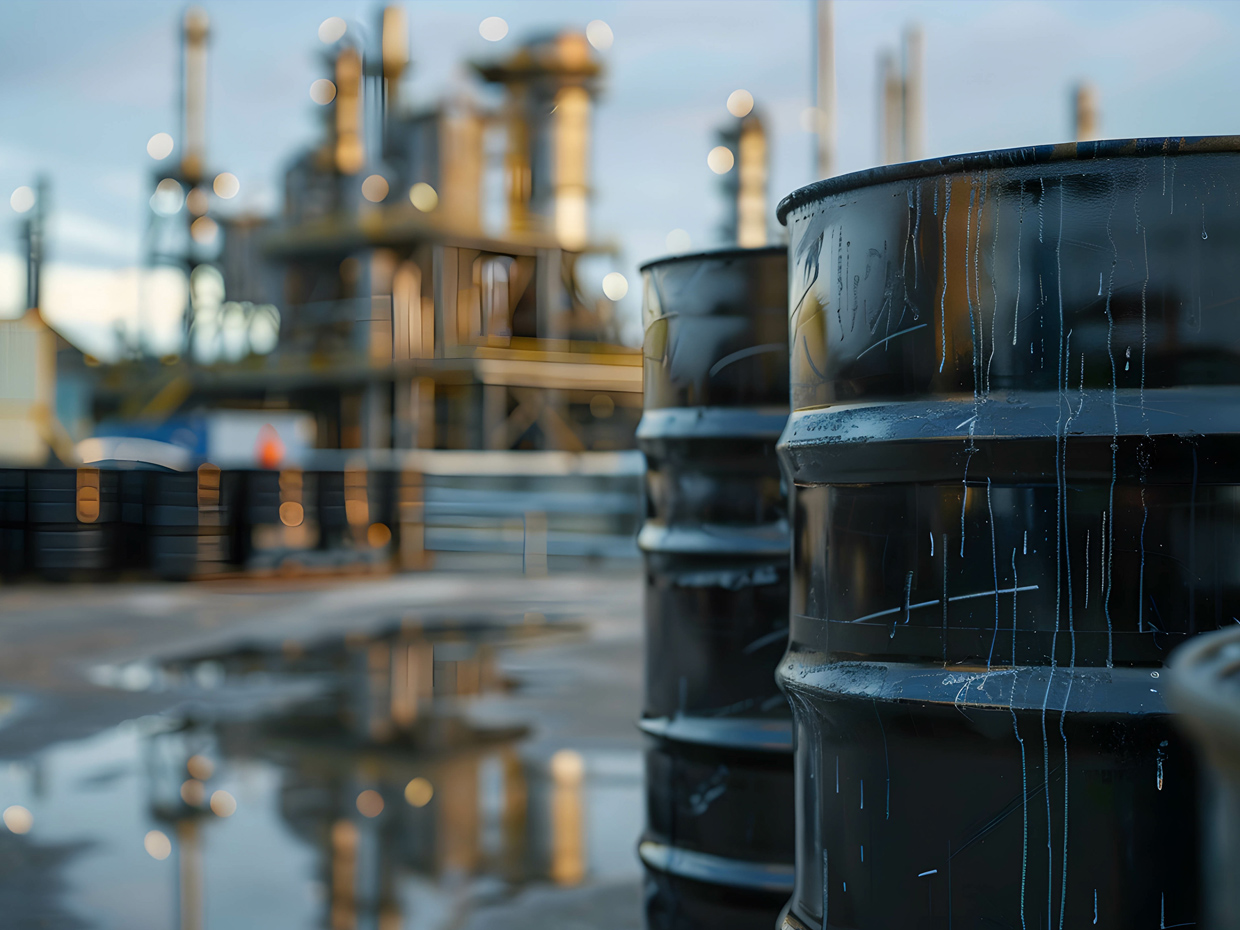
Russian tanker Anatoly Kolodki arrives in Cuba
A Russian tanker has just reached Cuba, despite the U.S. blockade. Onboard, there’s not only oil but also humanitarian aid. However, U.S. President Donald Trump doesn’t seem inclined to take “strong measures,” showing a degree of leniency and tolerance regarding the situation.
“If a country wants to send oil to Cuba at this stage, it’s not a problem for me, whether it’s Russia or someone else,” Trump said.
On the surface, everything seems positive, but it’s important to remember that Cuba hasn’t received oil since January 9, when the White House imposed the blockade. The last country to export crude to the island was Mexico. Cuba, with Havana as its capital, is going through one of the worst energy crises in its history: in the past 18 months, the country has experienced seven nationwide blackouts.
“It doesn’t change anything. Cuba is finished, they have a horrible regime, corrupt leaders, and whether they get an oil shipment or not doesn’t matter,” the U.S. president added.
The tanker Anatoly Kolodkin, carrying 730,000 barrels of crude, was off Cuba’s northeastern coast Sunday evening. According to maritime tracker MarineTraffic, it is expected to dock at the western port of Matanzas by Tuesday. The ship has been sanctioned not only by the U.S. but also by the European Union and the United Kingdom following Russia’s invasion of Ukraine in 2022. Moreover, during its journey through the English Channel, it was escorted by the Russian Navy.
Trump still likes the “TACO”
Trump’s approach in this case can once again be seen as an example of the so-called TACO tactic (Trump Always Chickens Out). The term was coined by Financial Times journalist Robert Armstrong. Despite the U.S. blockade on Cuba and geopolitical tensions with Russia, the president stated that the arrival of Russian oil “is not a problem for me,” avoiding any concrete steps to stop the tanker or sanction its cargo.
This behavior reflects a recurring pattern: Trump takes tough positions in words but often backs down when action is required, leaving space for opponents and creating ambiguity, which in turn fuels uncertainty in markets and international politics.
Trump’s ambiguity worries investors
Trump’s inconsistency and ongoing ambiguity don’t inspire confidence in the markets, especially commodities. Investors and analysts remain skeptical. This morning, Brent crude rose 2.18% to over $115 per barrel, while WTI increased 1.6% to reach $101 per barrel. The energy rally shows no signs of slowing down: as the conflict enters its fifth week, the war shows no signs of ending, with a possible escalation on the ground expected in the near term.
Benedetta Zimone
UCapital Asset Management LLP or group companies may have commercial relationships with the companies mentioned. This content is not financial advice.
Sign up for free to ask the AI about this article.
Elections, tariffs, sanctions and reforms: what changes for markets, countries and supply chains.