
China confirms Xi-Trump-Putin summit as chip tensions and weak data frame talks
China confirmed a first three-way meeting of its leader with the US and Russian presidents, due November 19. October data from China showed retail sales growth of 0.4% against a 0.8% estimate.
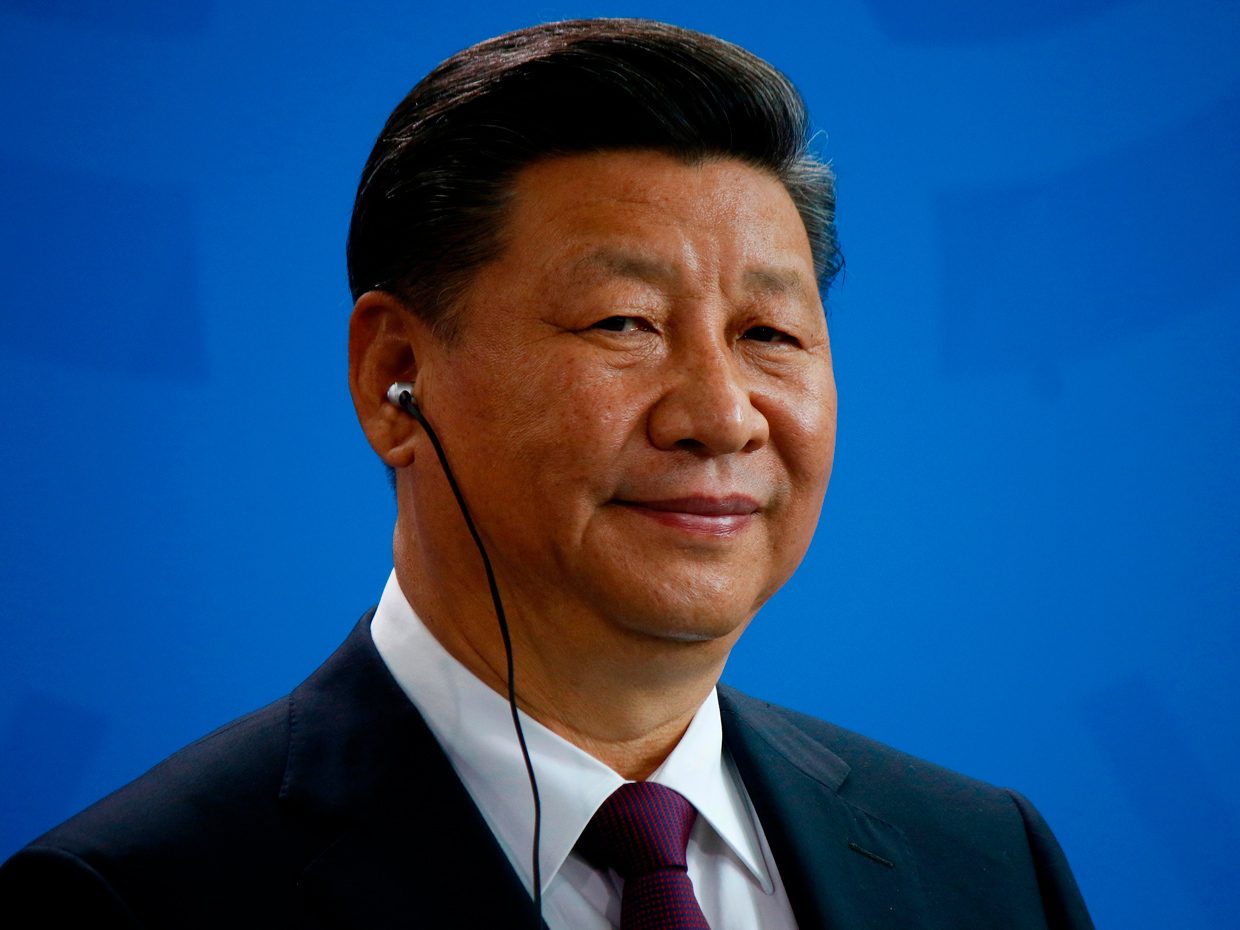
- 01China confirmed a summit of Xi, Trump and Putin, with the leaders' meeting due November 19.
- 02China's October retail sales rose 0.4% year on year, against a 0.8% estimate.
- 03China's October industrial production grew 4.8%, against a 5.3% estimate.
- 04A US senator urged Commerce Secretary Howard Lutnick to stop AI chip sales to China.
China confirmed on Monday a summit among President Xi Jinping, President Donald Trump and President Vladimir Putin, with the leaders' meeting due November 19. Chinese data released the same day showed October retail sales growth of 0.4% year on year, against a 0.8% estimate.
What happened
Chinese Foreign Ministry spokesperson Mao Ning told reporters in Beijing that the gathering would be the first time the leaders of China, Russia and the United States sit down together in person. She said China sees it as having groundbreaking significance.
The talks are expected to cover nuclear non-proliferation, the Middle East war and trade policies, and possibly the Ukraine war. UN Secretary-General Antonio Guterres said the UN is prepared to engage in any denuclearisation initiative that emerges from the meeting.
Chip policy is a separate pressure point. Senator Maria Cantwell urged Commerce Secretary Howard Lutnick to stop AI chip sales to China ahead of the meeting with Xi. Lutnick has faced criticism over his close relationship with Nvidia CEO Jensen Huang. The US and China are also pushing AI safety steps.
Why it matters
China's October activity data were soft. Industrial production rose 4.8% year on year, against a 5.3% estimate and a previous reading of 5.5%. Retail sales slowed from 1.1% in the prior month. The unemployment rate was 5.1%, against a 5.2% estimate and 5.2% previously.
In the United States, the October Producer Price Index rose 0.3% month on month, against a 0.4% estimate. The previous reading was 1.4%.
Policy also moves other sectors. UniCredit won EU approval for its acquisition of Commerzbank, described as a key step for the deal. In defense technology, European militaries are looking for alternatives to Palantir, with the stated goal of limiting dependence on the United States.
For investors, trade, chip export rules and weak Chinese demand are the channels through which the summit could reach markets, including technology and industrial stocks.
What to watch next
The leaders' meeting on November 19 is the main event. Its agenda on trade policy and nuclear non-proliferation will show whether the three governments move toward any joint steps.
On the data calendar, the US NY Empire State Manufacturing Index for November is due at 13:30 UTC on Monday. The estimate is 18, and the previous reading was 25.5.
The response of the US Commerce Department to the senator's appeal on AI chip sales to China is also unresolved.
Sources:UCapital Markets (ucapital.com)reuters.comreuters.comcnbc.combusiness-standard.comthehindubusinessline.comreuters.comcnbc.com
UCapital24 S.p.A. or group companies may have commercial relationships with the companies mentioned. This content is not financial advice.
Sign up for free to ask the AI about this article.
Elections, tariffs, sanctions and reforms: what changes for markets, countries and supply chains.