
China and Canada agree trade deal cutting tariffs on pork, seafood, steel and aluminum
Canadian Prime Minister Mark Carney and Chinese leader Xi Jinping met in Shenzhen. Beijing will ease duties on Canadian pork and seafood, and Ottawa will widen tariff refunds for steel and aluminum.
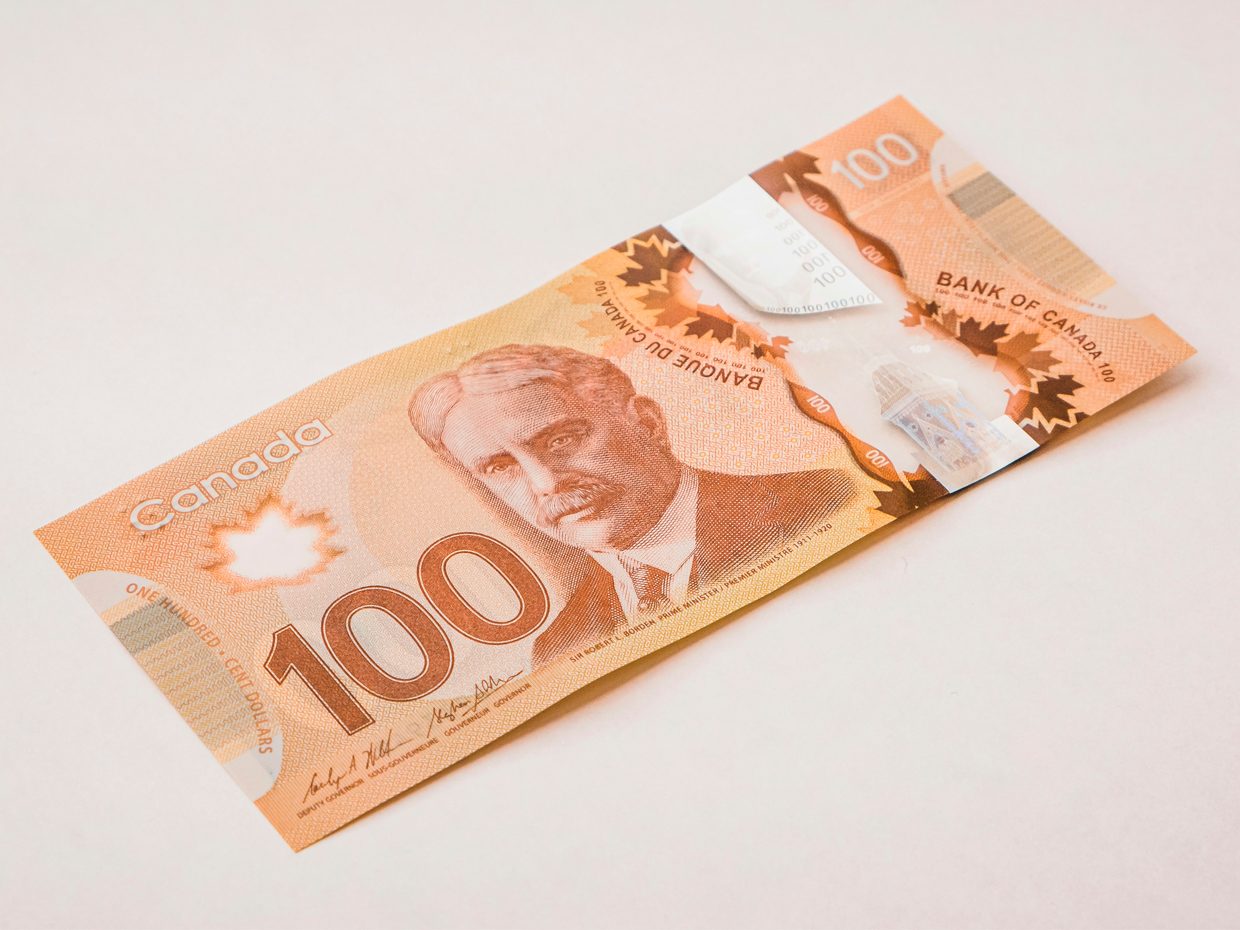
- 01China will lower tariffs on roughly 400 million Canadian dollars ($280 million) of Canadian pork and seafood sales.
- 02Canada will relax tariffs on another 32 types of steel and aluminum products through refund measures.
- 03Carney and Xi met in Shenzhen, where the two governments announced the agreement.
- 04US October retail sales are due at 13:30 UTC, with a monthly estimate of 0.2%, after 0.8% previously.
Canada and China announced a new trade deal on November 17 after Prime Minister Mark Carney met Chinese leader Xi Jinping in Shenzhen. Beijing will lower duties on about 400 million Canadian dollars ($280 million) of Canadian pork and seafood sales.
What happened
Ottawa and Beijing unveiled the agreement as the two leaders met in Shenzhen. Press accounts differ on the day of the meeting: one says Tuesday and another says Wednesday.
China agreed to roll back tariffs on Canadian shipments of pork and seafood worth about 400 million Canadian dollars. In return, Canada is opening the door wider to Chinese steel and aluminum imports.
Canada will extend and expand remission measures that apply to products that cannot be sourced domestically. It will also relax tariffs on another 32 types of steel and aluminum products through refund measures.
Why it matters
The deal covers a limited set of goods, but it shows a political choice by both governments to ease trade barriers. One headline on the story says China is courting middle powers, a framing that places the Canada agreement in a wider Chinese diplomatic effort.
For Canadian producers of pork and seafood, the change lowers a tariff burden on sales to China. For Chinese steel and aluminum exporters, it widens the range of products that can be brought into Canada with tariff refunds.
The meeting took place during a busy diplomatic week in Asia. Live coverage of the day groups the deal with the ASEAN and APEC summits and with a trip by US President Donald Trump to the Philippines and China. The deal is therefore one of several political events on the same regional calendar.
The pack describes the agreement as an exchange: relief on agricultural and seafood products from China, and wider access for metals from Canada. Each side gives ground in a sector where the other has an export interest.
Market impact
The agreement targets specific sectors. Canadian pork and seafood exporters gain easier access to the Chinese market, while steel and aluminum are the areas where Canada is easing access for Chinese suppliers.
The remission approach works through refunds rather than a wholesale removal of tariffs, and it applies to products that cannot be sourced domestically. That design keeps the effect focused on named product categories, as the reports describe it.
The reports give no prices or index moves linked to the announcement, so its effect on traded instruments is not stated. The value of the pork and seafood shipments, about 400 million Canadian dollars, is the only trade figure given.
Beyond the trade story, the main scheduled data point for US markets is the October retail sales report, due at 13:30 UTC on Tuesday.
What to watch next
US retail sales are estimated to rise 0.2% month on month, after 0.8% previously. Retail sales excluding autos are estimated at 0.4% month on month, against a previous 0.9%.
The control group is estimated at 0.4%, against 0.1% previously. Retail sales excluding gas and autos are estimated at 0.3%, after 0.2% previously, and the year-on-year figure is estimated at 6.5%, against 6.3% previously.
On the trade story, the reports do not state when the tariff relief and remission measures will take effect. Further statements from Ottawa and Beijing would clarify the timing and the product lists. The other summit meetings in Asia this week may also bring further trade announcements.
Sources:UCapital Markets (ucapital.com)Financial Times (ft.com)cnn.comGlobe and Mail (theglobeandmail.com)
UCapital24 S.p.A. or group companies may have commercial relationships with the companies mentioned. This content is not financial advice.
Sign up for free to ask the AI about this article.
Elections, tariffs, sanctions and reforms: what changes for markets, countries and supply chains.