
Yen strengthens as Ishiba maintains leadership

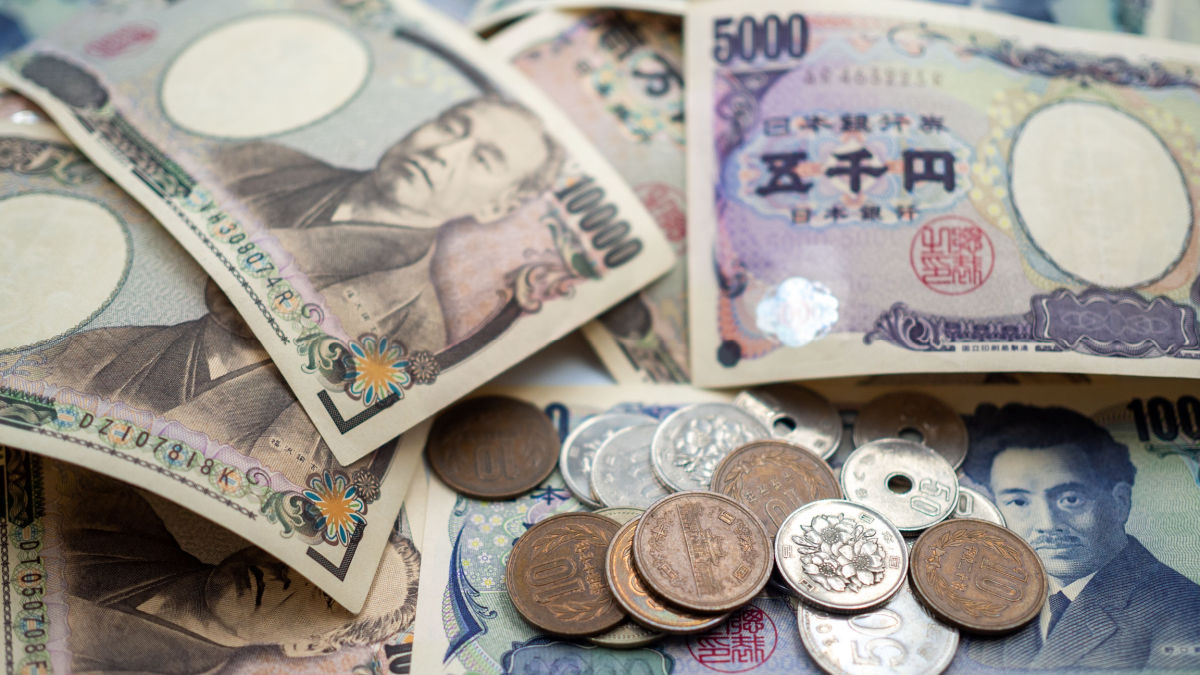
The Japanese yen hovered around 147.5 per dollar on Tuesday, steadying after gaining about 1% in the previous session as markets continued to digest the political implications of the weekend’s upper house election. Although the ruling coalition lost its majority, the result had been widely anticipated and was largely priced in by investors.
mportantly, Prime Minister Shigeru Ishiba is expected to remain in office, calming fears of political upheaval or policy disruption. Ishiba reaffirmed his commitment to leading ongoing tariff negotiations with the United States and managing broader domestic policy, including Japan’s energy transition and defense modernization agenda.
Market participants view Ishiba’s continued leadership as a stabilizing factor for the yen, particularly as the country faces a delicate balancing act between managing international trade tensions and domestic economic challenges. His leadership continuity is seen as critical in guiding Japan through a volatile period marked by rising global protectionism and persistent inflationary pressures.
Meanwhile, opposition parties are expected to intensify calls for aggressive fiscal stimulus and tax cuts in response to slowing household consumption and stagnant real wage growth.
While such measures could provide near-term support to the economy, they risk widening the fiscal deficit and putting upward pressure on Japanese government bond yields, which have already begun to climb toward multi-year highs. A rise in yields without a corresponding shift in Bank of Japan policy could further complicate monetary policy settings and limit the central bank’s flexibility.
On the trade front, Japan’s chief negotiator Ryosei Akazawa stated on Monday that he remains committed to reaching a trade agreement with the U.S. before the August 1 deadline, despite the political setback.
The U.S. has threatened to impose steep tariffs on Japanese automobiles and electronics if no deal is reached, a move that could significantly disrupt one of Japan’s most critical export sectors. While negotiations are reportedly ongoing, time is running short, and uncertainty remains high.
Currency traders are now closely watching for further policy cues from both the Japanese government and the Bank of Japan, as well as any new developments in U.S.-Japan trade talks. In the near term, the yen is likely to remain sensitive to global risk sentiment, U.S. dollar movements, and speculation over potential fiscal shifts. A dovish stance from the Federal Reserve later this week could offer the yen additional support, while signs of a widening policy divergence between the BoJ and global peers may keep upward pressure on the dollar-yen pair.
UCapital Asset Management LLP or group companies may have commercial relationships with the companies mentioned. This content is not financial advice.
Sign up for free to ask the AI about this article.
Multiples, financials, sentiment and risks in 60 seconds, with live data.