
World food prices highest since 2023

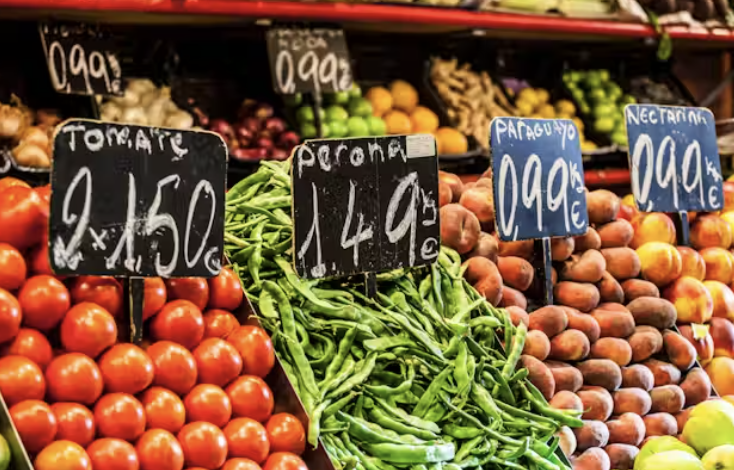
The FAO Food Price Index rose by 1.6% in July 2025 to 130.1 points, marking its highest reading since February 2023.
The increase was fueled by notable gains in meat and vegetable oil prices, which outweighed declines in cereals, dairy, and sugar. On an annual basis, the index stood 7.6% above its July 2024 level, reflecting continued upward pressure in some food categories, yet it remained 18.8% below the record peak reached in March 2022 during the height of supply chain disruptions and geopolitical tensions.
Meat prices climbed 1.2% to reach a new all-time high, largely due to strong increases in bovine and ovine meat quotations amid tight global supplies and resilient demand from major importers. Poultry prices also inched higher, supported by elevated feed costs and ongoing disease-related supply constraints in some regions.
The sharpest monthly rise came from vegetable oils, which surged 7.1% to a three-year high. This was driven by strong gains in palm, soy, and sunflower oil prices, reflecting both seasonal production slowdowns and firm global import demand, particularly from Asia.
These increases more than offset the decline in rapeseed oil prices, which fell on the back of improved harvest expectations in key producing countries.
In contrast, cereal prices slipped 0.8% to their lowest level since 2020, pressured by ample exportable supplies and favorable harvest conditions in several major producing regions. Sorghum and wheat led the declines, although maize and rice prices were relatively steady.
Sugar prices fell for a fifth consecutive month, down 0.2%, as strong export volumes from Brazil and India outweighed concerns over weather-related production risks. Dairy prices eased by 0.1% — the first decline since April 2024 — as butter and milk powder quotations fell in response to subdued import demand and increased export availability from Oceania.
Overall, the latest data underscore a divergence in global food price trends: while certain categories like meat and vegetable oils are under persistent upward pressure due to structural supply issues and robust demand, others such as cereals, dairy, and sugar are benefiting from improved production outlooks, helping to temper broader inflationary pressures in global food markets.
UCapital Asset Management LLP or group companies may have commercial relationships with the companies mentioned. This content is not financial advice.
Sign up for free to ask the AI about this article.
Multiples, financials, sentiment and risks in 60 seconds, with live data.