
Waabi Raises $1B Series C to Accelerate Robotaxi Expansion
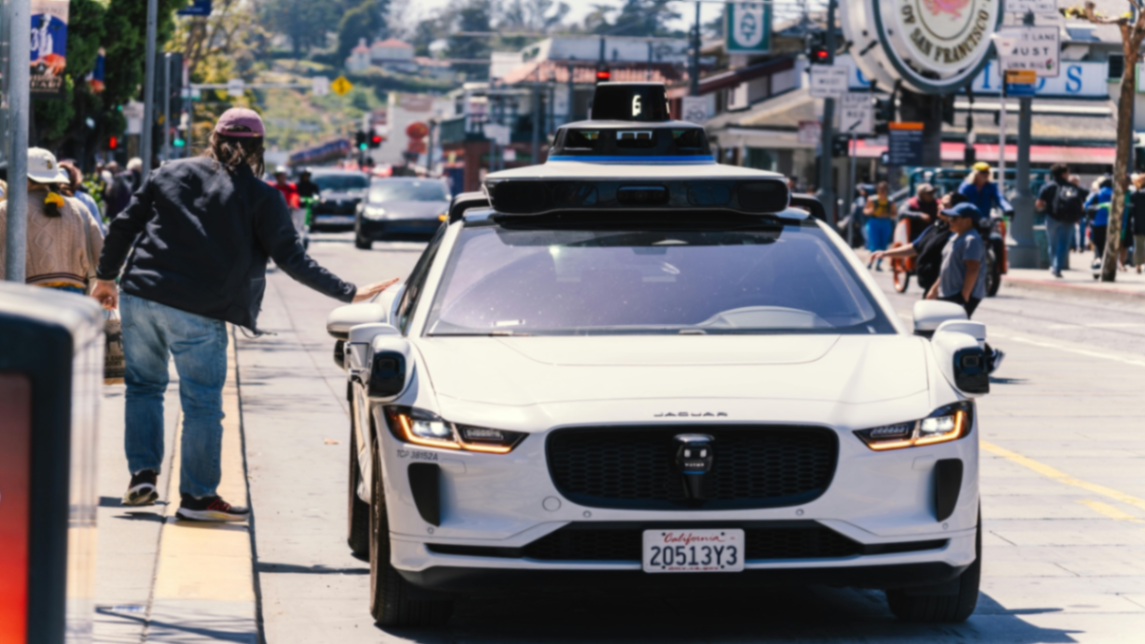
Autonomous-driving startup Waabi has raised nearly $1 billion in Series C funding to expand its self-driving technology, including $750 million from Khosla Ventures and G2 Venture Partners and $250 million from Uber tied to deployment milestones. The financing will support Waabi’s robotaxi operations and commercial partnerships in North America, accelerating the company’s shift from testing to large-scale deployment.
Series C Funding: Investor Confidence Fuels Expansion
The $750 million portion of Waabi’s Series C is structured as traditional venture capital, making it one of the largest funding rounds in the autonomous vehicle sector this year. According to the company, the money will be used to grow engineering teams, test autonomous systems under more real-world conditions, and engage with regulators to meet commercial requirements.
Uber’s $250 million commitment stands out because it is milestone-based rather than upfront equity. This arrangement ties the funding to measurable progress in deploying robotaxi services, aligning Waabi’s development roadmap with Uber’s strategic goal of offering autonomous ride-hailing without building its own internal program.
Backers such as Khosla Ventures have cited Waabi’s simulation-first approach as a differentiator. The company heavily relies on advanced AI to test driving scenarios digitally before vehicles operate on public roads, reducing risk and development costs. For Uber, the milestone-based investment minimizes financial exposure while providing access to autonomous capacity if regulatory and operational benchmarks are met.
Shaping the Future of Autonomous Mobility
Waabi was founded by Raquel Urtasun, formerly head of Uber ATG, and focuses on integrating machine learning with physics-based models. Its approach contrasts with hardware-heavy methods that have proven costly and difficult to scale, allowing Waabi to prioritize software-driven innovation and flexible deployment strategies.
The autonomous vehicle sector has undergone consolidation in recent years, with fewer late-stage mega-rounds and cautious capital deployment. Waabi’s Series C sends a clear signal that investors are still willing to fund companies that demonstrate a tangible path to commercial deployment. The round underscores the renewed confidence in self-driving technology when development milestones are tightly linked to operational results.
With significant backing and a strategic partnership with Uber, Waabi now faces the challenge of turning financial support into functioning robotaxi services, moving closer to mainstream adoption while proving the viability of its technology on public roads.
Waabi’s $1 billion Series C highlights both the promise and pressure of the autonomous vehicle industry. By linking investment to deployment milestones and leveraging advanced simulation-driven development, the company is well-positioned to accelerate robotaxi commercialization. The coming months will test whether Waabi can convert its financial momentum into practical, revenue-generating operations and set a new standard for scalable self-driving services.
UCapital Asset Management LLP or group companies may have commercial relationships with the companies mentioned. This content is not financial advice.
Sign up for free to ask the AI about this article.
Multiples, financials, sentiment and risks in 60 seconds, with live data.