
Thyssenkrupp subsidiary TKMS makes successful stock market debut
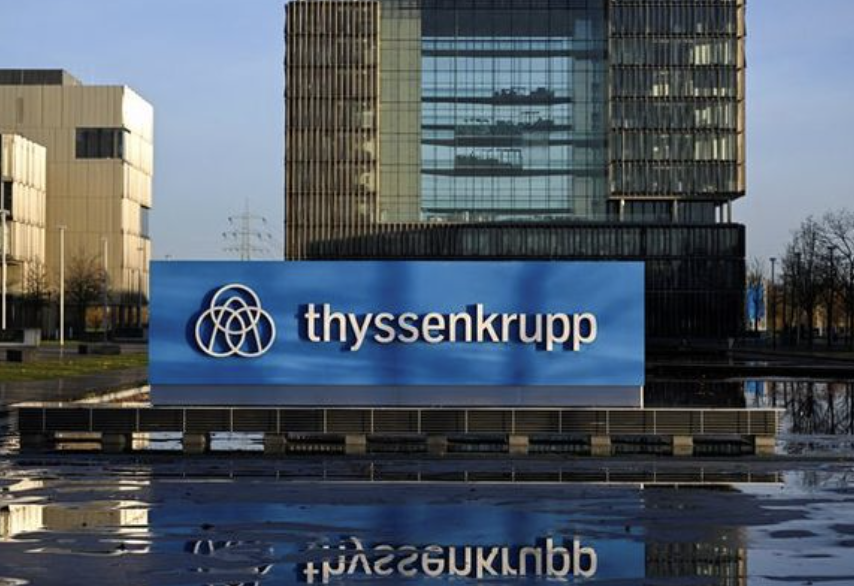
Germany's largest naval shipbuilder, TKMS, successfully went public on Monday, as its starting initial public offering, IPO, price of EUR60 per share approached EUR100 in early trading.
That gave TKMS a company value of more than three-quarters of thyssenkrupp AG, its former parent firm.
As part of the spin-off, Thyssenkrupp shareholders automatically received one TKMS share for every 20 of their Thyssenkrupp shares. The parent company retained 51% of the shares.
Thyssenkrupp shares were trading about 20% lower on Monday morning compared to Friday.
TKMS employs around 9,000 people and has an order backlog of EUR18.6 billion.
"We are the maritime powerhouse in Europe," TKMS chief executive Oliver Burkhard said, adding that the stock market listing will provide direct access to capital markets.
TKMS says it is the global market leader for non-nuclear submarines. It also builds frigates and corvettes.
Apart from its base in the northern city of Kiel, other locations include Wismar, where TKMS plans to build submarines and create 1,500 jobs, as well as Itajai in Brazil. The company also operates sites in the German cities of Hamburg, Bremen and Emden.
UCapital Asset Management LLP or group companies may have commercial relationships with the companies mentioned. This content is not financial advice.
Sign up for free to ask the AI about this article.
Multiples, financials, sentiment and risks in 60 seconds, with live data.