
Thermo Fisher sells microbiology unit for $1.08B
Thermo Fisher Scientific divests its $645M-revenue microbiology business to European PE firm Astorg for $1.08B in a strategic portfolio optimization move.
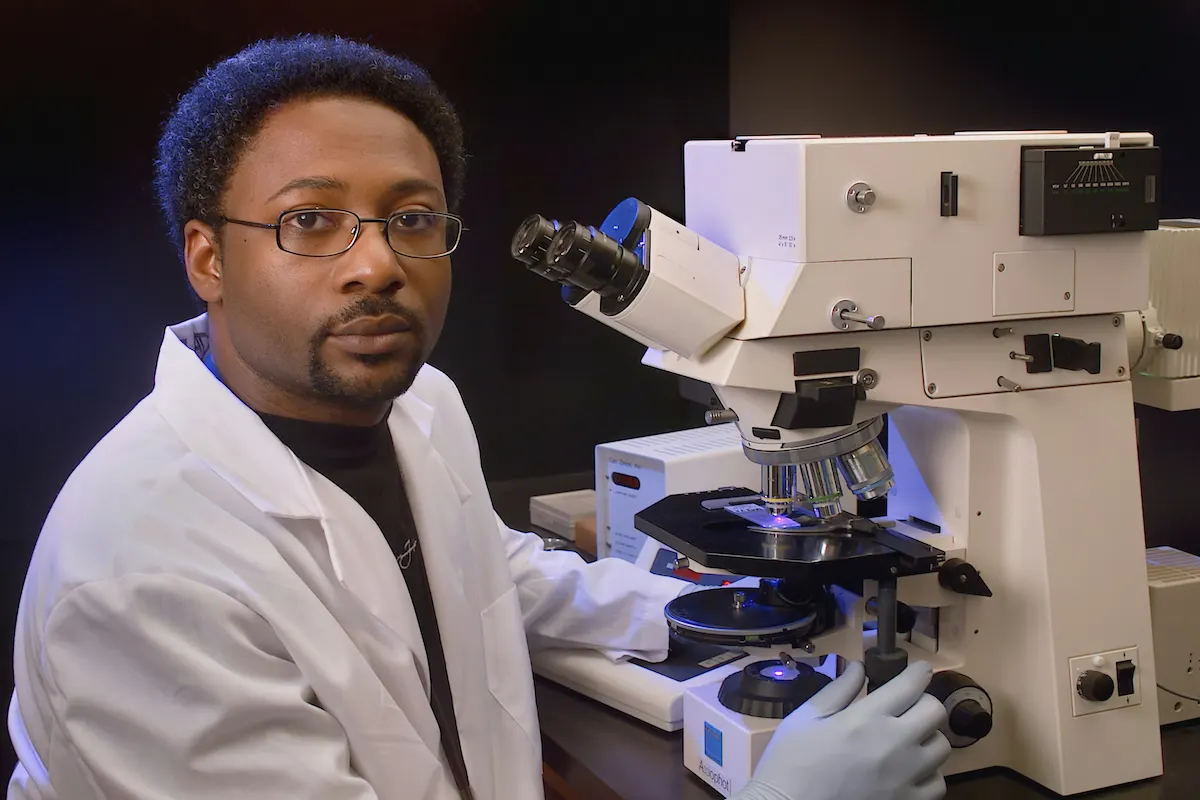
Deal details: Thermo Fisher offloads microbiology unit to Astorg for $1.08 billion
Thermo Fisher Scientific (NYSE: TMO) has signed a definitive agreement to sell its microbiology business to Luxembourg-headquartered European private equity firm Astorg for approximately $1.08 billion, as first reported by Fierce Biotech on April 27, 2026. The Thermo Fisher microbiology divestiture marks a significant specialty diagnostics carve-out from one of the world's largest life sciences companies, reflecting a deliberate pivot toward higher-return segments and continued Thermo Fisher portfolio optimization.
Transaction structure and financial terms
The $1.08 billion total consideration will be funded through a combination of cash proceeds and a $50 million seller note, according to Private Equity Wire. Thermo Fisher disclosed that the transaction will be dilutive to adjusted earnings per share by $0.15 in the first full year following close. The company stated it will provide more detailed financial guidance on the impact during its second-quarter 2026 earnings release.
The deal has not yet closed, and completion remains subject to regulatory approvals and other customary closing conditions.
Astorg's strategic rationale
Astorg confirmed in a company press release:
"Through the transaction, Thermo Fisher's microbiology business will become an independent, privately owned platform, backed by Astorg."
The carve-out aligns with Astorg's stated focus on building standalone platforms in the European private equity life sciences diagnostics space, positioning the microbiology unit for growth outside the constraints of a large-cap corporate structure.
Portfolio optimization: why Thermo Fisher is selling the microbiology unit
The divested unit, currently housed within Thermo Fisher's specialty diagnostics segment, generated $645 million in revenues in 2025, implying a revenue multiple of approximately 1.7x — a figure that underscores sustained private equity appetite for diagnostics assets despite broader market uncertainty.
Microbiology unit's financial profile
At $645 million in annual revenue, the microbiology business represents a meaningful but non-core asset relative to Thermo Fisher's overall scale. The implied 1.7x revenue multiple reflects realistic pricing for a mature diagnostics platform and signals that Astorg private equity views the unit as a value-creation opportunity under independent ownership rather than a premium growth asset.
Thermo Fisher's capital reallocation strategy
CEO Marc Casper framed the Thermo Fisher Scientific asset sale as consistent with the company's ongoing portfolio optimization strategy, aimed at reallocating capital toward opportunities that enhance shareholder returns, according to Private Equity Wire.
The divestiture follows a strong Q1 2026 performance. Thermo Fisher's laboratory products and biopharma services segment posted 7% year-over-year revenue growth to $6.04 billion, up from $5.64 billion in Q1 2025. The company also completed its $9 billion acquisition of Clario, a clinical trial data company, in late March 2026 — a deal that contributed $30 million in revenue and $0.01 in adjusted EPS to first-quarter results. Rumors of a microbiology sale had surfaced nearly a year before the April 27 announcement.
Investor implications: EPS impact, key risks, and PE market signals
For investors, the near-term headline is a $0.15 adjusted EPS dilution in the first full post-close year. However, analysts will likely weigh this against the capital freed for redeployment into higher-margin growth vectors, particularly following the Clario integration.
What the deal signals for PE in life sciences
The Astorg-Thermo Fisher transaction arrives against a backdrop of slowing European PE exit activity in Q1 2026, even as Private Equity Wire noted that deal pipelines are building toward a potential rebound. In that context, Astorg's willingness to commit over $1 billion to a diagnostics carve-out reflects sustained conviction in the standalone viability of specialty diagnostics platforms.
The broader trend — large-cap medtech firms divesting non-core units to private equity — shows no sign of abating, as corporate portfolio rationalization continues to create attractive entry points for PE sponsors focused on the European private equity life sciences sector.
Disclaimer: This article is for informational purposes only and does not constitute investment advice or a recommendation to buy or sell any financial instrument. Investors should conduct their own due diligence before making any investment decisions.
UCapital Asset Management LLP or group companies may have commercial relationships with the companies mentioned. This content is not financial advice.
Sign up for free to ask the AI about this article.
Multiples, financials, sentiment and risks in 60 seconds, with live data.