
Tesla Q4 earnings beat, but annual sales show first-ever loss
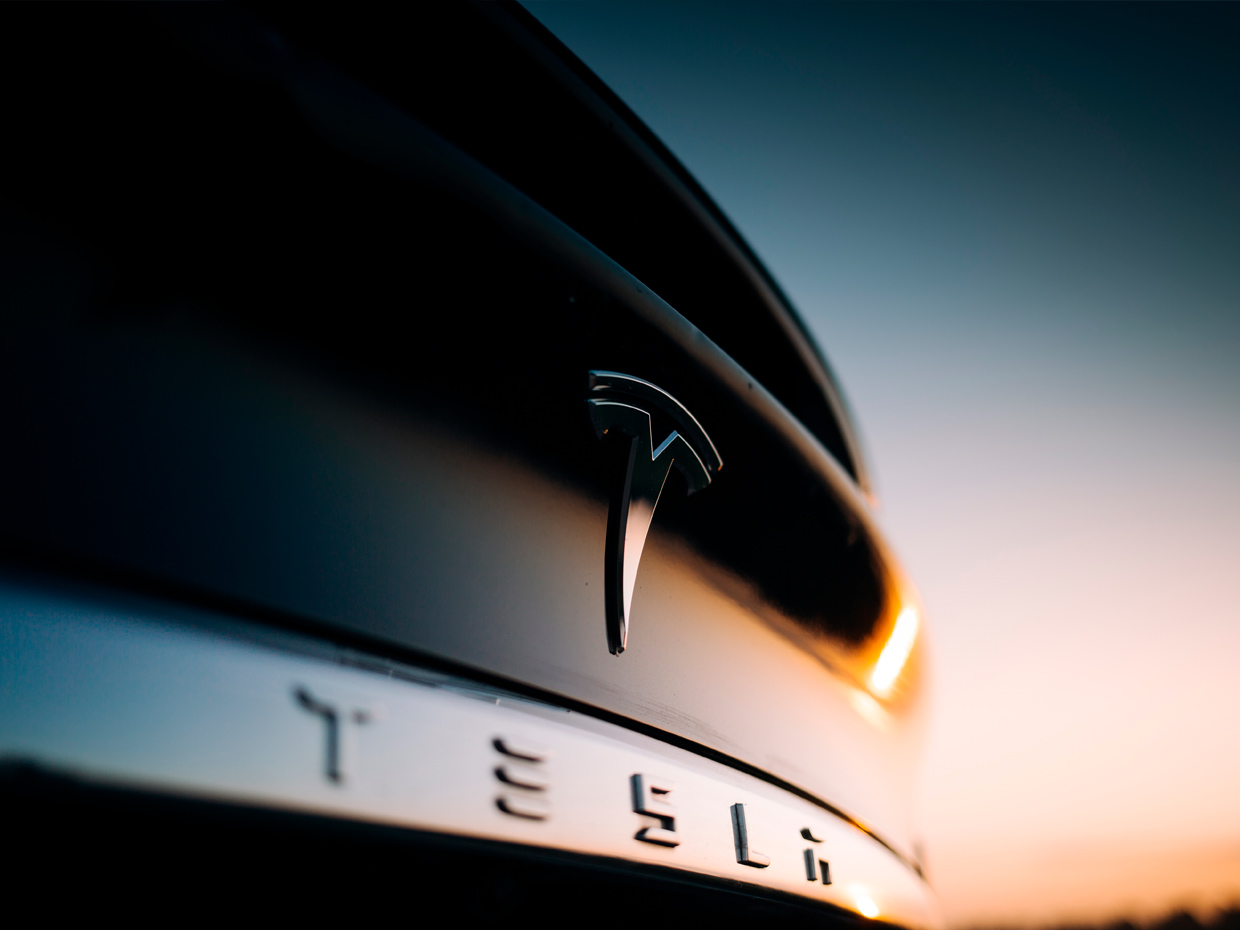
Tesla reported fourth-quarter results that exceeded expectations, lifting its shares in after-hours trading, even as the company posted the first annual sales decline in its history amid rising competition.
Adjusted earnings came in at 50 cents a share, above the 45-cent consensus, while revenue reached $24.90 billion, slightly ahead of forecasts. Despite the beat, fourth-quarter revenue fell 3% year over year, with automotive sales down 11%, reflecting slower vehicle demand and pricing pressure, particularly in China where rivals such as BYD have gained ground. Full-year sales declined 3%.
Tesla announced a $2 billion investment in xAI and reiterated progress in autonomous driving, robotaxis, and its humanoid robot Optimus. Analysts said improved margins and strength in the energy storage business helped offset weaker car sales.
Barclays and RBC highlighted better-than-expected automotive margins and Tesla’s robotaxi timeline, while Cantor said several products—including Cybercab, Tesla Semi, and Megapack 3—remain on track for volume production this year.
Benedetta Zimone
UCapital Asset Management LLP or group companies may have commercial relationships with the companies mentioned. This content is not financial advice.
Sign up for free to ask the AI about this article.
Multiples, financials, sentiment and risks in 60 seconds, with live data.