
Steel pulls back from seven-month high

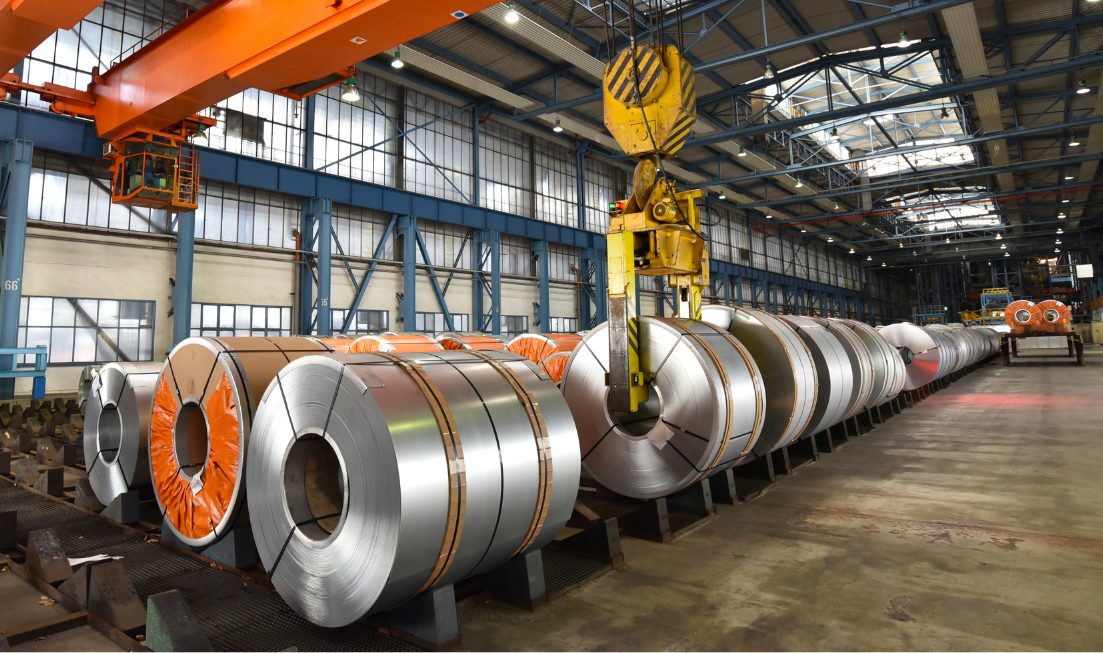
Steel futures in China retreated to CNY 3,265 per tonne, down from the seven-month high of CNY 3,345 reached on July 29th, as investors reassessed the likely magnitude and immediacy of government support for the slowing economy and a deepening property sector crisis.
The pullback came in the wake of the latest Politburo meeting, where Chinese officials reiterated their commitment to implementing expansionary fiscal policy and maintaining a loose monetary environment to stimulate domestic demand. However, the absence of any indication of large-scale, front-loaded stimulus measures—such as broad-based infrastructure packages or direct support for the ailing real estate market—tempered market expectations and triggered a cautious reevaluation of near-term demand prospects for industrial metals like steel.
Despite the short-term price correction, steel futures remain over 7% higher for the third quarter, buoyed by expectations of tighter supply conditions and continued momentum in infrastructure investment. Policymakers have emphasized their intent to reduce overcapacity in heavy industries, including steel and cement, to support sustainable development goals and curb emissions.
In this context, Baosteel, one of China's largest steel producers, projected that domestic output could decline by over 50 million tonnes in 2025 due to regulatory constraints and production caps. This anticipated supply contraction has helped limit the downside in steel prices, even as demand-side risks persist.
Meanwhile, sentiment in the non-residential construction segment received a boost following the announcement of a major public investment: a CNY 1.2 trillion hydropower plant project. The undertaking signals the government’s strategic willingness to channel spending into metal-intensive, long-duration infrastructure initiatives, particularly in clean energy and public utilities.
These types of investments not only provide near-term demand for construction materials but also serve broader policy goals tied to energy security and decarbonization.
Overall, while investors remain wary of the limited scale of stimulus so far, the combination of supply-side tightening and selective infrastructure expansion is expected to keep steel prices relatively well supported. Further clarity on the trajectory of China’s economic recovery—particularly in the property sector—will be critical in determining whether steel demand can gain more sustainable traction in the second half of the year.
UCapital Asset Management LLP or group companies may have commercial relationships with the companies mentioned. This content is not financial advice.
Sign up for free to ask the AI about this article.
Multiples, financials, sentiment and risks in 60 seconds, with live data.