
Silver holds firm on dovish Fed bets

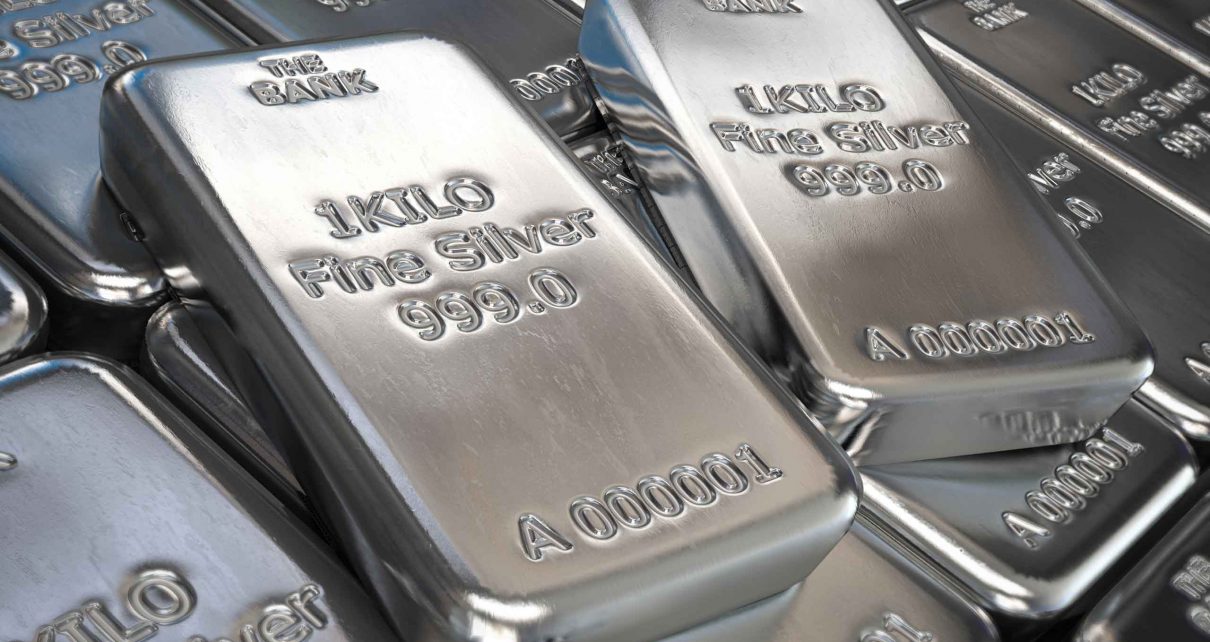
Silver hovered around $37.4 per ounce on Tuesday, consolidating gains from the previous two sessions as expectations of a more dovish Federal Reserve continued to lend support to precious metals.
The rally was sparked by a weaker-than-expected US jobs report, which showed a slowdown in hiring and wage growth, reinforcing market sentiment that the Fed could begin cutting rates as early as September. Traders are now pricing in over 60 basis points of easing by the end of the year, increasing the appeal of non-yielding assets like silver and gold.
The softer labor market data contributed to a broader retreat in US Treasury yields and the dollar, both of which tend to have an inverse relationship with silver prices. Lower real yields reduce the opportunity cost of holding precious metals, while a weaker dollar makes commodities denominated in dollars more attractive to foreign buyers.
This macro environment has helped silver outperform other industrial metals recently, especially as investors seek both inflation hedges and safe-haven assets amid persistent global uncertainty.
Silver’s dual role as both a monetary and industrial metal has also drawn increased interest from portfolio managers seeking diversification amid volatile equity markets. Demand from sectors like solar energy, electric vehicles, and electronics continues to provide a strong fundamental backdrop for the metal, particularly as clean energy investments remain resilient despite global growth concerns.
The recent uptick in silver prices may also reflect strategic buying ahead of potential supply bottlenecks, as miners face rising operational costs and environmental permitting delays.
Looking ahead, market participants are closely watching upcoming US economic indicators, including the June international trade balance and ISM PMI reports, for further clarity on the Federal Reserve's policy trajectory and the overall health of the world’s largest economy. A continued weakening in manufacturing or exports could reinforce the case for earlier and more aggressive rate cuts, which would likely extend the rally in precious metals.
On the geopolitical front, uncertainty added another layer of support for silver. President Donald Trump’s threat to impose sharply higher tariffs on India — in response to its continued purchases of Russian oil — raised concerns about renewed trade frictions that could weigh on global growth.
Meanwhile, the European Union’s decision to postpone retaliatory tariffs against the US by six months has created a temporary window for de-escalation, but markets remain wary of potential policy shocks that could disrupt supply chains or weaken investor confidence.
In this context, silver is increasingly being viewed not just as a hedge against monetary easing and currency debasement, but also as a geopolitical risk barometer — attracting inflows during periods of heightened uncertainty. With multiple catalysts in play, both economic and political, the metal's near-term trajectory may be highly responsive to incoming data and evolving trade dynamics.
UCapital Asset Management LLP or group companies may have commercial relationships with the companies mentioned. This content is not financial advice.
Sign up for free to ask the AI about this article.
Multiples, financials, sentiment and risks in 60 seconds, with live data.