
Oracle might need a miracle

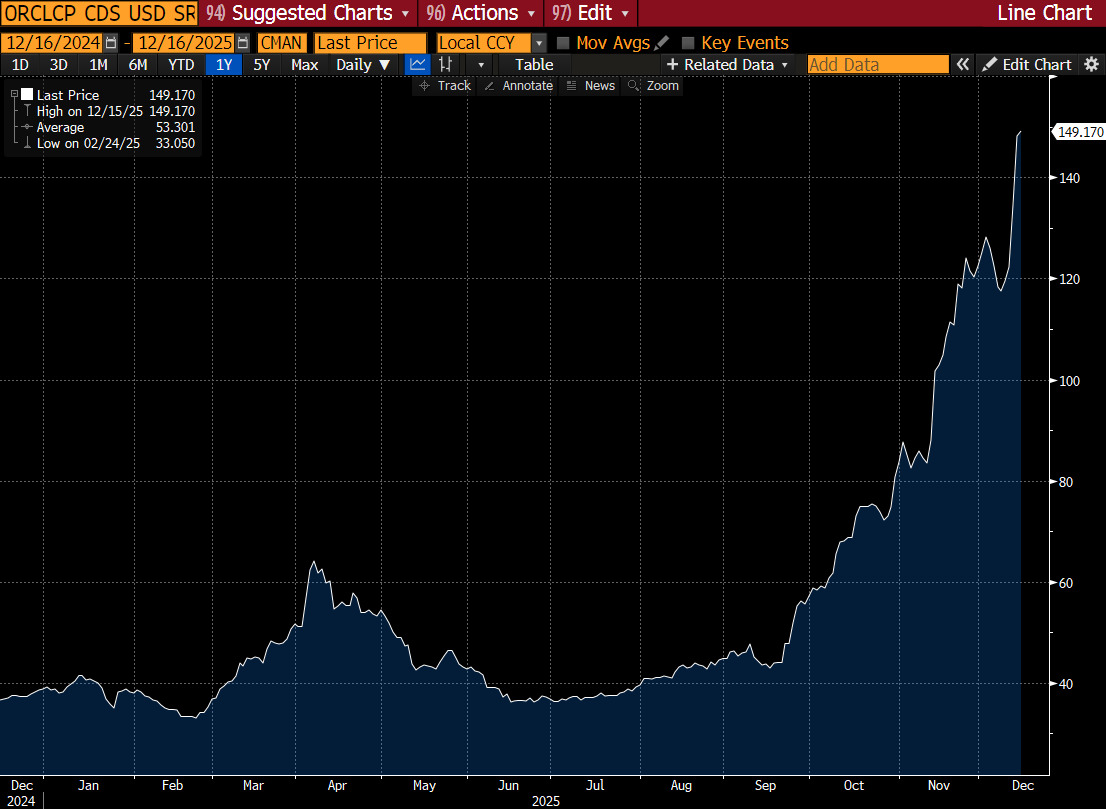
Investors are concerned about Oracle’s $248 billion commitment to leased AI data centers, a strategy that significantly increases long-term financial obligations. Despite management’s assurances that renting reduces upfront capital needs, markets remain sceptical.
Oracle, one of the world’s leading database providers, is entering a particularly challenging and risky phase following its decision to commit $248 billion in future lease payments for AI-focused data centers.
This figure is nearly $150 billion higher than what Oracle disclosed in its September earnings update, raising significant concerns among investors. Hence, many fear that such long-term obligations could turn into a financial trap, especially if AI demand or profitability fails to meet expectations over time.
Oracle’s strategy is highly unconventional. Indeed, rather than purchasing data centers outright, the company has opted to rent them. Among its major clients are leading tech giants such as Meta and OpenAI, and Oracle forecasts an average annual rent of $14.6 billion. This unusually high level of recurring lease commitments has left many investors astonished and increasingly cautious.
As a result of this heightened financial uncertainty, Oracle’s share price has declined sharply, particularly since September 2025. Market skepticism reflects doubts about the sustainability of Oracle’s capital structure and long-term exposure to AI infrastructure costs.
In this regard, the Financial Officer Doug Kehiring, however, has defended the strategy, arguing that renting data centers allows Oracle to complete its AI buildout while raising significantly less capital than analysts had previously anticipated.
According to Kehiring, this approach provides flexibility and reduces upfront financing needs.
Despite these reassurances, financial markets remain unconvinced.
As illustrated by the chart, Credit Default Swap (CDS) spreads have risen substantially, indicating that investors are demanding higher compensation to insure against a potential Oracle default. The increase in CDS prices suggests that concerns over debt-financed AI infrastructure spending remain unresolved.
Overall, the surge in CDS spreads highlights persistent market anxiety, undermining confidence in management’s optimistic outlook and contributing to continued downward pressure on Oracle’s share price.
Benedetta Zimone
UCapital Asset Management LLP or group companies may have commercial relationships with the companies mentioned. This content is not financial advice.
Sign up for free to ask the AI about this article.
Multiples, financials, sentiment and risks in 60 seconds, with live data.