
Offshore yuan holds near eight-month peak

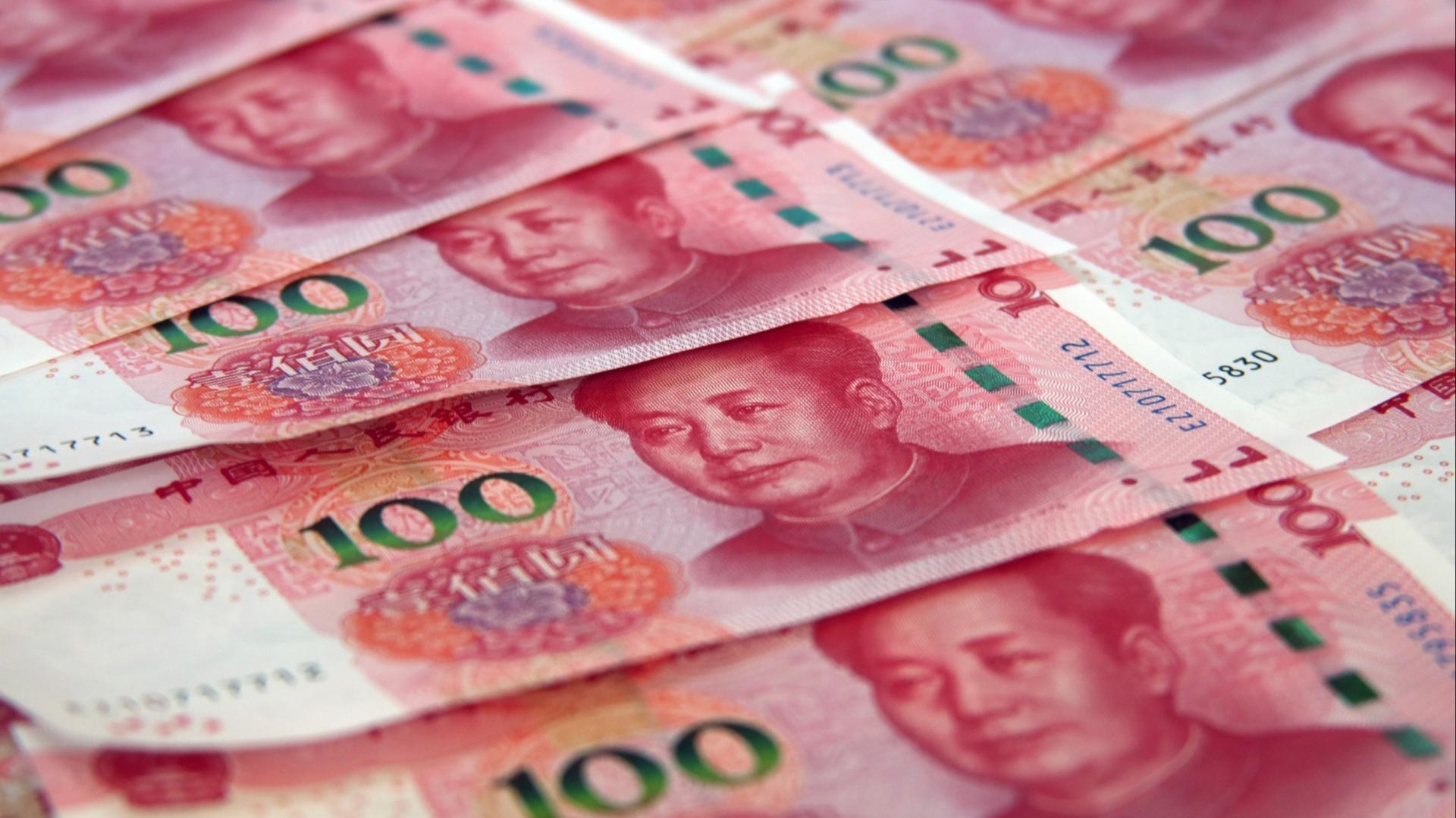
The offshore yuan (CNH) held steady around 7.16 per US dollar on Tuesday, maintaining its recent gains and hovering near its strongest level since early November 2024. The yuan’s strength was underpinned by a renewed wave of optimism following a surprise rebound in Chinese manufacturing activity, which helped improve investor sentiment toward the world’s second-largest economy.
A private-sector Caixin survey showed that the Manufacturing Purchasing Managers’ Index (PMI) rose sharply to 50.4 in June, up from 48.3 in the previous month and beating market expectations of 49.0. The expansionary reading—crossing the critical 50-point threshold that separates growth from contraction—signals that China’s manufacturing sector may be turning a corner, thanks in part to targeted policy support from Beijing aimed at stabilizing domestic demand and shielding exporters from rising US trade barriers, including the latest round of tariff hikes imposed by the Biden administration.
The Caixin reading stood in contrast to the official PMI data released Monday, which indicated a third consecutive month of contraction. However, even the official data reflected a slower pace of decline, suggesting that export-oriented firms may be showing resilience despite global trade friction and tepid external demand.
The divergence between the two PMI indicators highlights the varying conditions between large state-owned firms and smaller, private-sector manufacturers, with the latter appearing to benefit more quickly from easing financial conditions and local government stimulus.
On the external front, the US dollar continued to weaken, pressured by growing expectations of Federal Reserve rate cuts later this year and escalating uncertainty surrounding US trade and fiscal policies. This trend has offered additional support to the yuan, narrowing the yield differential between Chinese and US assets and easing depreciation pressure.
Looking ahead, markets are increasingly focused on potential policy signals from China’s upcoming Politburo meeting in July, a key political gathering where major economic priorities and stimulus measures may be unveiled. Investors are watching closely for indications of further fiscal easing, regulatory adjustments, or measures to boost consumer demand and investor confidence—all of which could influence the yuan’s direction and broader market sentiment.
Moreover, speculation about possible People’s Bank of China (PBoC) interventions to manage exchange rate volatility continues, especially as authorities balance the need for currency stability against the backdrop of slowing global growth and geopolitical tensions. The yuan’s recent stability is viewed by many as a strategic priority for Beijing, particularly amid the sensitive backdrop of trade negotiations and domestic economic recalibration.
In summary, the offshore yuan’s firmness reflects a complex interplay of improving domestic indicators, supportive policy signals, and external currency dynamics, positioning the renminbi as a focal point in Asia’s broader financial market narrative heading into the second half of the year.
UCapital Asset Management LLP or group companies may have commercial relationships with the companies mentioned. This content is not financial advice.
Sign up for free to ask the AI about this article.
Multiples, financials, sentiment and risks in 60 seconds, with live data.