
Japanese yen rises on solid domestic data

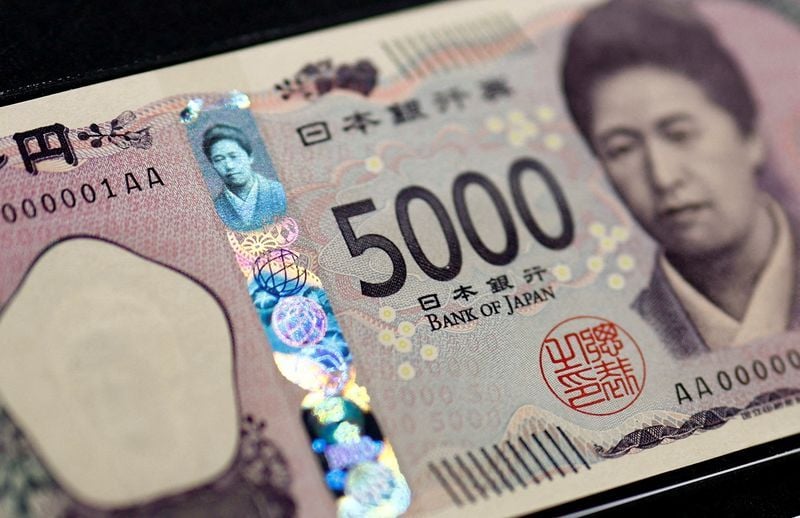
The Japanese yen appreciated toward 144 per dollar on Friday, reversing losses from the previous session as a combination of strong domestic data and a weakening US dollar boosted demand for the currency. The move reflects growing market confidence that the Bank of Japan (BoJ) may adopt a more hawkish monetary stance in the near term.
Key to the yen’s rebound was the release of stronger-than-expected household spending data, which showed a 4.7% year-over-year increase in May, a sharp turnaround from April’s marginal 0.1% decline and well above market expectations of a 1.2% gain.
The data suggests that consumer confidence is improving, bolstered by government efforts to support incomes and stimulate domestic demand, including targeted subsidies and energy bill relief. Analysts also pointed to wage gains in recent months, particularly among large corporations, as contributing to rising household consumption.
The surprise uptick in spending has fueled speculation that the BoJ could accelerate the pace of policy normalization, particularly if other economic indicators such as inflation and industrial production continue to show resilience. With Japan slowly emerging from decades of deflationary pressures, the central bank has faced growing calls to shift away from its ultra-loose policy stance, and Friday’s data may strengthen the case for a rate hike or further tapering of bond purchases later this year.
Adding to the yen’s strength was a broad-based weakening of the US dollar, which came under renewed pressure amid rising concerns about US trade policy. President Donald Trump announced plans to begin issuing official letters on trade measures, a procedural step that could pave the way for unilateral tariff actions.
This announcement reignited fears of a new wave of protectionism, particularly after Trump reiterated his dissatisfaction with Japan’s limited imports of American agricultural products and automobiles, and again floated the possibility of imposing tariffs of up to 35% on Japanese goods.
Such rhetoric has added a layer of geopolitical risk to the dollar, prompting investors to shift toward perceived safer alternatives, including the yen. While protectionist policies often hurt export-driven economies like Japan, they can also trigger flight-to-safety flows that favor the yen, especially if global risk sentiment deteriorates.
Looking ahead, traders will closely monitor upcoming BoJ commentary, US labor market data, and developments in trade policy rhetoric for further cues. With domestic economic momentum building and external risks mounting, the Japanese yen is increasingly positioned at the intersection of monetary divergence and geopolitical tension, making it a key barometer for broader market sentiment in the coming weeks.
UCapital Asset Management LLP or group companies may have commercial relationships with the companies mentioned. This content is not financial advice.
Sign up for free to ask the AI about this article.
Multiples, financials, sentiment and risks in 60 seconds, with live data.