
Japanese yen falls on disappointing trade data

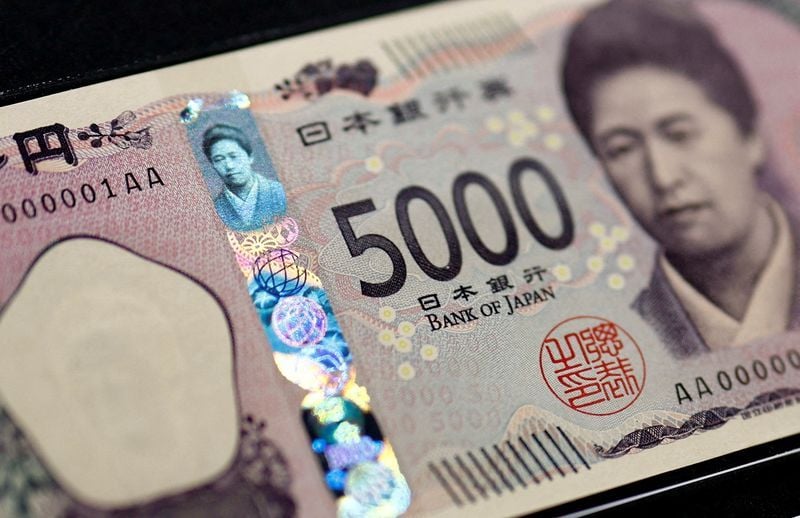
The Japanese yen weakened to around 148 per dollar on Thursday, as investors reacted to disappointing trade figures that heightened concerns about the country edging toward a technical recession.
Japan’s trade surplus narrowed significantly to JPY 153.1 billion in June 2025, a sharp drop from JPY 221.3 billion in the same month a year earlier and far below market expectations of a robust JPY 353.9 billion surplus. This underperformance reflected ongoing headwinds for Japan’s export sector amid global trade tensions.
Exports fell 0.5% year-on-year to JPY 9,162.6 billion, marking a second consecutive monthly decline and missing forecasts for a 0.5% increase. The slump was largely attributed to continued pressure from the US tariff campaign and weakening demand in key overseas markets, especially the United States and parts of Asia.
This persistent weakness in exports has raised alarm bells among economists and investors, who now fear that Japan’s economy could shrink again in the second quarter, potentially tipping the nation into a technical recession (defined as two consecutive quarters of negative GDP growth).
In contrast, imports increased by 0.2% to JPY 9,009.5 billion, breaking a three-month streak of declines and surpassing expectations of a 1.6% drop. The rise in imports may reflect sustained domestic demand or rising input costs, but the narrowing trade surplus underscores the growing imbalance between Japan’s export earnings and import spending.
Against this backdrop, investors are closely watching the government’s fiscal policy response as Japan approaches the July 20 Upper House election. Speculation is mounting about potential fiscal stimulus measures aimed at bolstering economic growth, including increased government spending and possibly a temporary cut to the consumption tax. Such moves would be designed to support household spending and corporate investment amid the slowing global economy.
Overall, the weak trade data and growing recession concerns have weighed on the yen, with market participants factoring in the possibility of more aggressive policy action by Tokyo to counteract external and domestic challenges in the months ahead.
UCapital Asset Management LLP or group companies may have commercial relationships with the companies mentioned. This content is not financial advice.
Sign up for free to ask the AI about this article.
Multiples, financials, sentiment and risks in 60 seconds, with live data.