
Japanese yen edges up after Komeito leaves ruling coalition

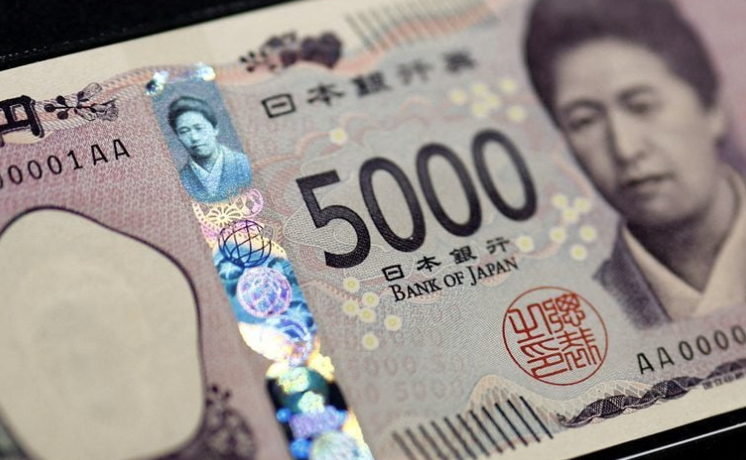
The yen pared some of its early losses to trade around 152.7 per dollar on Friday, after briefly touching 153.2 earlier in the session—its weakest level since February—as political turmoil in Japan added to volatility.
The currency initially weakened sharply following reports that the head of the Komeito Party informed Liberal Democratic Party (LDP) leader and newly elected president Sanae Takaichi that Komeito would withdraw from the ruling coalition.
The decision came after Takaichi “failed to provide sufficient answers regarding political funding issues,” ending a partnership that has underpinned Japanese politics for more than 25 years.
The coalition’s collapse has injected significant uncertainty into Japan’s political landscape, raising doubts about the stability of Takaichi’s government and the future of key policy initiatives. Analysts noted that the breakup could stall budget approval processes and complicate efforts to pass fiscal stimulus measures, which markets had largely expected under the new leadership.
Takaichi, known for her conservative economic views and support for Abenomics-style fiscal expansion, had previously described the alliance with Komeito as “fundamental” to ensuring policy continuity.
Despite Friday’s modest recovery, the yen remains on track for a sharp weekly loss of 3.6%, its steepest since early March, reflecting both domestic political headwinds and persistent divergence in monetary policy between the Bank of Japan and major global central banks.
The uncertainty surrounding Japan’s fiscal outlook and the potential delay of economic stimulus have reinforced expectations that the BOJ will maintain its accommodative stance for longer.
Meanwhile, market participants are watching closely for signs of potential intervention from the Ministry of Finance, which has previously signaled discomfort with rapid yen depreciation. Many analysts see the 155 level as a potential red line that could trigger verbal or direct market action.
Still, with global risk sentiment improving and the U.S. dollar remaining strong on solid growth and safe-haven demand amid the ongoing government shutdown, the yen’s downside risks remain elevated in the near term.
UCapital Asset Management LLP or group companies may have commercial relationships with the companies mentioned. This content is not financial advice.
Sign up for free to ask the AI about this article.
Multiples, financials, sentiment and risks in 60 seconds, with live data.