
Iron ore jumps as Rio Tinto halts production at African mine

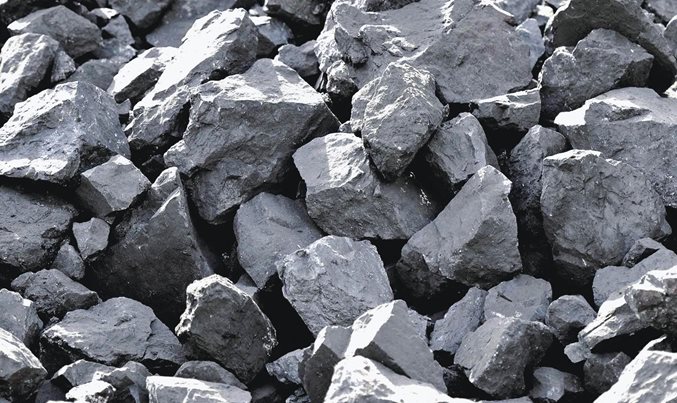
Iron ore futures climbed 2% to around CNY 786 per tonne on Monday, staging a rebound after last week’s losses. The rally was underpinned by fresh supply-side risks after Rio Tinto suspended operations at its massive Simandou project in Guinea following the death of a worker.
The Simandou range, located in southeastern Guinea, is home to one of the world’s largest known high-grade iron ore reserves—estimated at 1.5 billion tonnes—and is regarded as a game-changer for global supply once fully operational. Rio Tinto had been targeting first exports in November 2025 after years of infrastructure and regulatory delays, though the company has not yet confirmed whether the latest suspension could impact this long-awaited timeline.
Market participants warn that even a modest delay could tighten supply expectations going into 2026.
Adding to the bullish tone, geologists in Western Australia’s Pilbara region unveiled what they now consider the world’s largest iron ore deposit, with an estimated valuation of $6 trillion. The discovery reinforces Australia’s position as the global leader in iron ore exports, though analysts note that developing such a vast resource will require years of investment, permitting, and infrastructure build-out before it affects global supply.
Still, the news highlights the strategic importance of the Pilbara region to long-term market dynamics, particularly as China seeks to diversify away from reliance on single suppliers.
Beyond supply developments, prices were also buoyed by broader risk-on sentiment across global commodities and equities. Federal Reserve Chair Jerome Powell’s remarks at Jackson Hole, signaling a likely rate cut at the Fed’s next meeting, lifted investor appetite for cyclical assets, including industrial metals.
Lower borrowing costs in advanced economies could indirectly support steel demand through stronger construction activity and infrastructure investment, while also keeping pressure on the U.S. dollar—making dollar-priced commodities like iron ore more attractive to overseas buyers.
Looking ahead, traders are closely monitoring both the pace of Rio Tinto’s restart at Simandou and the outlook for Chinese steel demand, which remains the single biggest driver of iron ore prices. With Beijing continuing to roll out targeted stimulus measures for property and infrastructure, iron ore is likely to stay supported in the near term, though uncertainty around global growth and the timing of new supply expansions may keep volatility elevated.
UCapital Asset Management LLP or group companies may have commercial relationships with the companies mentioned. This content is not financial advice.
Sign up for free to ask the AI about this article.
Multiples, financials, sentiment and risks in 60 seconds, with live data.