
Hang Seng pares losses at close

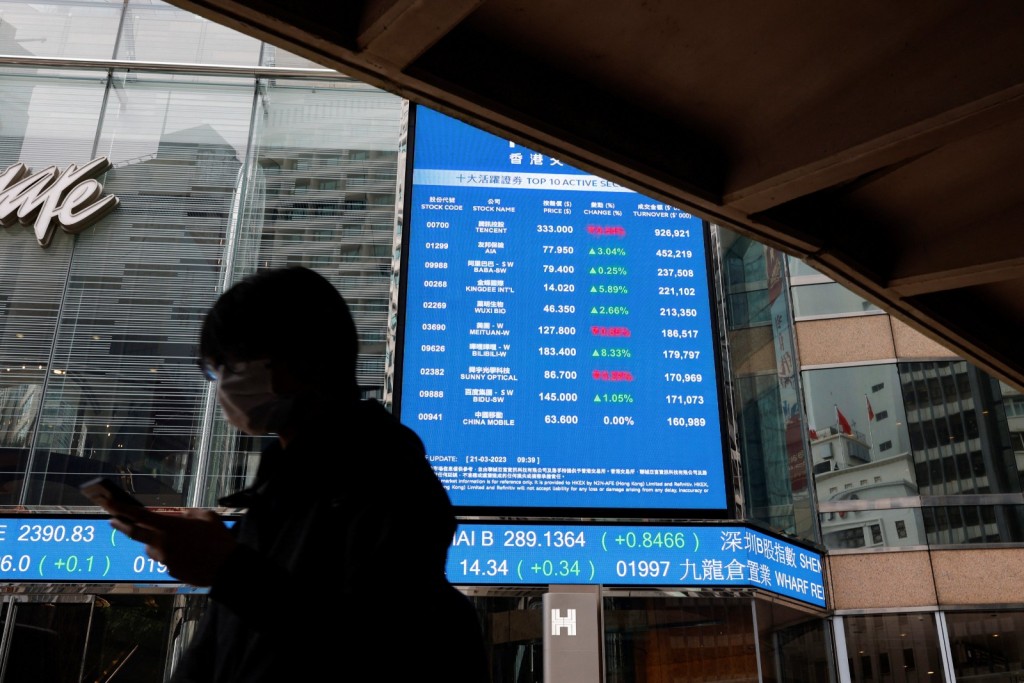
The Hang Seng Index fell 151 points, or 0.6%, to close at 24,070 on Thursday, reversing early gains and snapping a three-day winning streak. The retreat reflected broad-based weakness across sectors, with the consumer discretionary, financial, and technology segments leading the decline. Investor sentiment turned cautious amid a mix of global economic uncertainty and softening domestic data.
Market participants adopted a wait-and-see approach ahead of high-stakes U.S. labor market data, with particular focus on the nonfarm payrolls report due Thursday, following an unexpected decline in U.S. private sector employment—the first such drop in over two years. The surprising downturn in hiring has intensified concerns about a potential slowdown in the world’s largest economy, weighing on risk assets across the Asia-Pacific region.
Meanwhile, fresh data out of China further dampened sentiment. A private survey revealed that China’s services sector activity fell to a nine-month low in June, dragged lower by the steepest decline in foreign sales since early 2023. The reading highlighted the growing impact of mounting trade frictions and waning global demand, particularly in sectors such as travel, logistics, and professional services.
Fierce competition among mainland e-commerce giants has also fueled anxiety over profit margin compression, as companies pursue aggressive pricing and subsidy strategies to protect market share.
Within the index, Alibaba dropped nearly 3% after unveiling a massive CNY 50 billion consumer subsidy program, aimed at countering competitive threats from rivals such as Pinduoduo and Douyin Mall. Investors expressed concerns over the profitability implications of such large-scale spending initiatives. Meituan and JD.com also declined by 2.4% and 2.3%, respectively, as investors reevaluated earnings prospects amid intensifying industry price wars.
However, the index trimmed earlier losses late in the session, supported by a mild rebound in U.S. equity futures following news that President Trump had finalized a new trade agreement with Vietnam. The deal, which includes commitments on electronics supply chains and agricultural purchases, was seen as a rare de-escalation in an otherwise tense global trade landscape.
Additionally, sentiment received a modest boost after U.S. chip design firms reported progress in easing export restrictions to China, raising hopes for improved bilateral tech cooperation. This came alongside the U.S. House of Representatives narrowly passing Trump’s controversial tax-and-spending bill, which is expected to inject significant fiscal stimulus into the U.S. economy, though at the cost of a sharply rising national debt.
On a more positive note, pharmaceutical stocks outperformed, buoyed by fresh policy support for innovative drugs and R&D incentives. Names such as WuXi Biologics and CSPC Pharmaceutical posted notable gains, with investors positioning ahead of anticipated regulatory fast-tracking for oncology and biosimilar treatments.
In summary, Thursday’s decline in the Hang Seng reflected a convergence of global headwinds and domestic pressures, with investors weighing disappointing macro data, competitive industry dynamics, and geopolitical uncertainties. While selective policy signals and trade developments helped cushion the blow, sentiment remains fragile heading into the year's second half.
UCapital Asset Management LLP or group companies may have commercial relationships with the companies mentioned. This content is not financial advice.
Sign up for free to ask the AI about this article.
Multiples, financials, sentiment and risks in 60 seconds, with live data.