
Formula 1 is also suffering from the crisis in the Middle East
The crisis in the Middle East is also putting Formula 1 shares at risk, which have recorded a 1.9 billion dollar loss in market value since the start of the conflict.
The group’s shares have dropped over 7% in New York this week, although the market capitalization remains above 21 billion dollars.
While investors are primarily focused on gas and oil, considered the main players in the current geopolitical landscape, the dramatic situation in the Middle East is having significant repercussions on the world of Formula 1 as well.
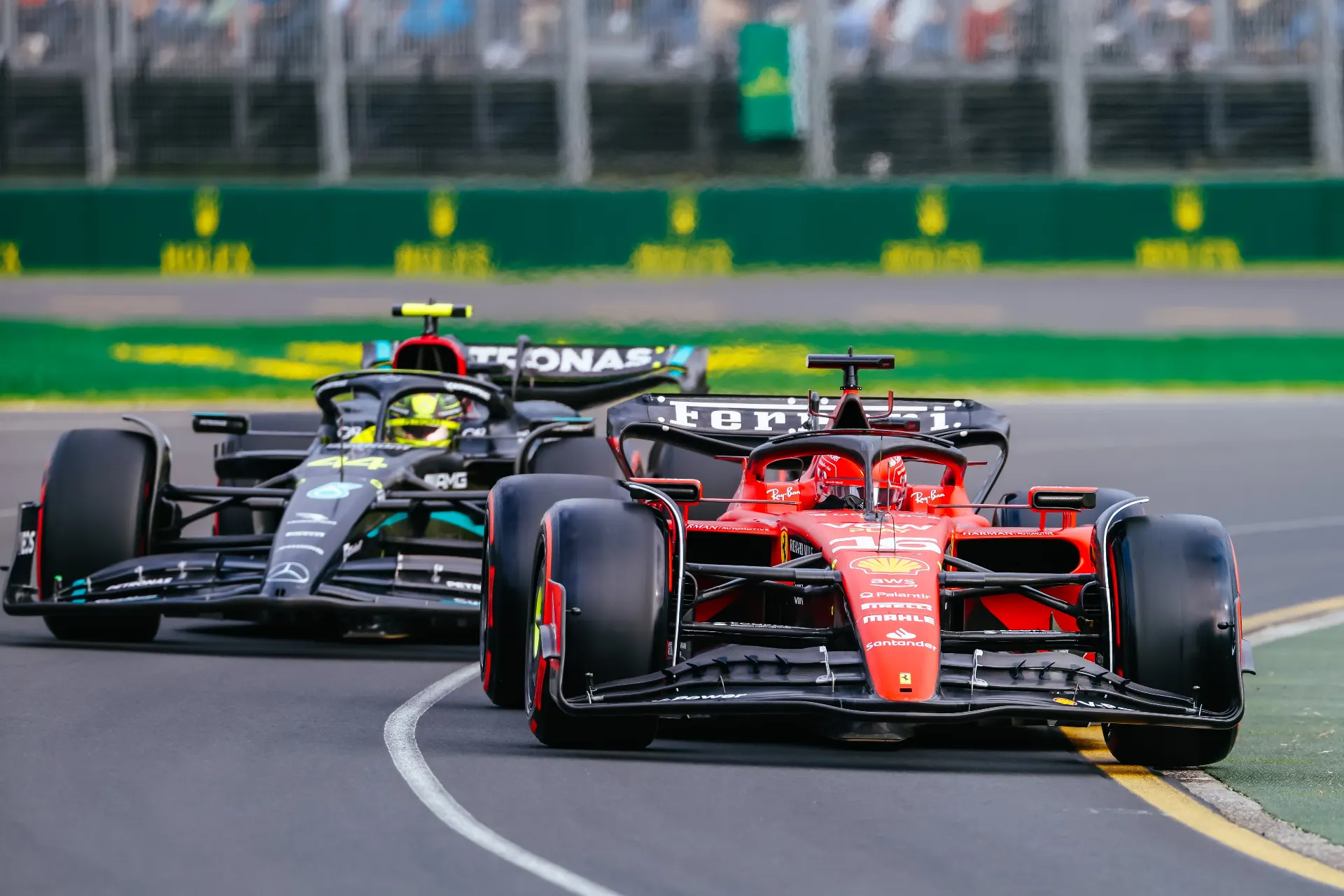
The 2026 F1 season will kick off this weekend in Melbourne, but uncertainty looms over the races in the Middle East – Bahrain, Saudi Arabia, Qatar, and Abu Dhabi – due to the conflict.
In particular, the prestigious Qatar 1812km endurance race has been postponed, marking a new chapter of challenges for the international racing calendar.
The 2026 Formula 1 season begins amid uncertainties and geopolitical tensions, with the Middle East conflict casting doubt over some of the most prestigious races and impacting the sport’s financial market.
Fans, investors, and teams alike are keeping a close eye on the next Grand Prix, waiting to see how the situation will unfold.
Benedetta Zimone
UCapital Asset Management LLP or group companies may have commercial relationships with the companies mentioned. This content is not financial advice.
Sign up for free to ask the AI about this article.
Multiples, financials, sentiment and risks in 60 seconds, with live data.