
FCC approves SpaceX plan for 1 million orbital AI data center satellites
The Federal Communications Commission has authorized SpaceX to deploy a constellation of 1 million satellites for AI computing in orbit. Scientists and astronomers have voiced skepticism and dismay.

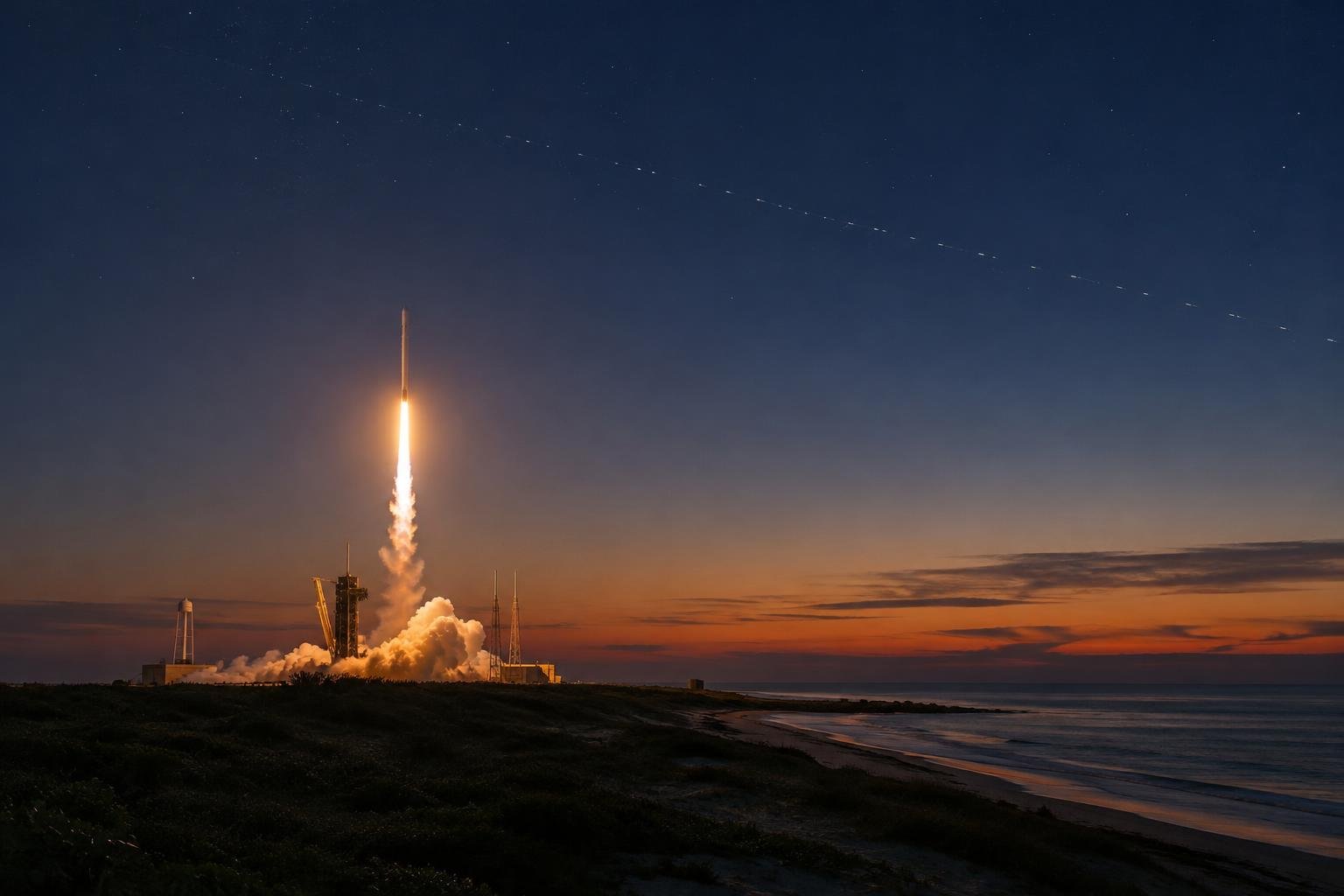
- 01The Federal Communications Commission approved SpaceX's proposal to put 1 million data center satellites into orbit.
- 02The project, called Starmind, is designed to use solar energy in space to power AI computing and send results to Earth through laser links tied to Starlink.
- 03Astrophysicist Adam Becker called the prospect of launching a million satellites for data centers "a fantasy".
- 04Mexico is seeking talks with the United States on SpaceX airspace use, according to a report dated 26 November.
The Federal Communications Commission (FCC) has approved SpaceX's proposal to put 1 million satellites into orbit as data centers for artificial intelligence. The authorization, granted under the Trump administration in the United States, covers a "constellation" meant to fuel the AI buildout.
The decision matters for markets because it is a regulatory step toward a possible new market for space-based computing infrastructure, tied to the Starlink network. It also meets open scepticism from scientists about whether such a system can be built, and the first signs of attention from a foreign government.
What happened
The FCC approved SpaceX's application to deploy 1 million orbital data center satellites. The Trump administration has granted the company authorization to deploy a constellation of 1 million data centers in space to support the artificial intelligence boom.
The project is called Starmind. According to the description of the project published on 26 November, it is designed to harness solar energy in space to power AI computing systems, process data in orbit and transmit results back to Earth through high-speed laser links connected to the Starlink network.
The scale is the defining feature of the decision. A figure of 1 million satellites is the number that headlines and critics alike have fastened on, and it frames every other question about the project, from launch capacity to the view of the night sky.
- Approval: FCC authorization for 1 million satellites.
- Project name: Starmind.
- Power source: solar energy in space.
- Link to Earth: high-speed laser links connected to Starlink.
- Political context: authorization granted under the Trump administration.
What is Starmind and how would it work?
Starmind is SpaceX's proposed system of AI data centers in orbit. It would use sunlight to power computing hardware, process data in space and send the results down through Starlink's laser-linked network.
The design rests on three elements described in the available material. The first is energy: the satellites would draw on solar power collected in space rather than on electricity from a ground grid. The second is computation: AI workloads would be processed in orbit, not on the ground. The third is transmission: results would travel back to Earth over high-speed laser links tied to Starlink.
The approach relies on Starlink, SpaceX's existing satellite network, as the connection layer between orbital computing and users on the ground. The sources do not give a launch schedule, a cost or a capacity figure for the system, so those details remain unknown.
How have scientists reacted?
Scientists and astronomers have reacted with scepticism and dismay to the approval. Adam Becker, an astrophysicist and author, called the prospect of launching a million satellites into space to create data centers "a fantasy."
Astronomers are dismayed, according to coverage of the approval, reflecting concern over the scale of a constellation far larger than anything now in orbit. The reaction is notable because it comes from the community most directly affected by a vast increase in objects overhead.
The criticism is of two kinds. One is about feasibility: whether a million satellites can be launched and operated as working data centers at all. The other is about impact, the unease among astronomers over what such a constellation would mean for their field. The sources reviewed do not give detailed technical objections beyond these reactions, and they do not report a response from SpaceX to the critics.
Why it matters
The approval matters because it clears a regulatory hurdle for a new kind of infrastructure that would move AI computing off the ground. For investors following SpaceX, it signals that US regulators are willing to authorize an unusually large deployment.
The decision also links two themes that have dominated market attention: the build-out of computing capacity for artificial intelligence and the expansion of satellite networks. By tying orbital computing to Starlink, the Starmind plan places SpaceX's existing network at the centre of a potential new line of business. The regulatory step is the precondition for that market, not proof that it exists.
An FCC authorization is not a guarantee of delivery. It permits deployment but does not show that the technology, launch capacity or economics will work, which is the core of the scientists' criticism.
- What is settled: the FCC has authorized a constellation of 1 million satellites.
- What is not settled: timeline, cost and capacity, none of which the sources give.
- Who disagrees: astronomers and scientists, including Adam Becker.
- Who is seeking talks: Mexico, on SpaceX's use of airspace.
Are there international complications?
Separate from the FCC decision, Mexico is seeking talks with the United States over SpaceX's use of airspace, according to a report dated 26 November. The sources give no further detail on the subject of the talks, but the item shows that SpaceX's operations are drawing attention from other governments.
The Mexican request is not linked in the sources to Starmind, and it should not be read as a reaction to the FCC approval. It does illustrate a point that follows from the scale of the plan: a US licence governs what SpaceX may do under American rules, while the activities of a global satellite operator touch the interests of other countries.
What to watch next
The next developments to follow are the ones the approval leaves open, though the sources name no specific dates.
- Whether SpaceX publishes a deployment timeline or launch plan for Starmind.
- Whether SpaceX discloses cost or capacity figures, which are absent from the available material.
- Whether astronomers and scientific groups press regulators further on the scale of the constellation.
- Whether the talks Mexico is seeking with the United States on SpaceX airspace use take place.
- How the market for orbital computing develops after the FCC decision.
Sources:cnbc.comwashingtonpost.comnpr.orglivemint.comreuters.com
UCapital24 S.p.A. or group companies may have commercial relationships with the companies mentioned. This content is not financial advice.
Sign up for free to ask the AI about this article.
Multiples, financials, sentiment and risks in 60 seconds, with live data.