
Dollar pares losses on Monday
UN
by UCapital Newsroom
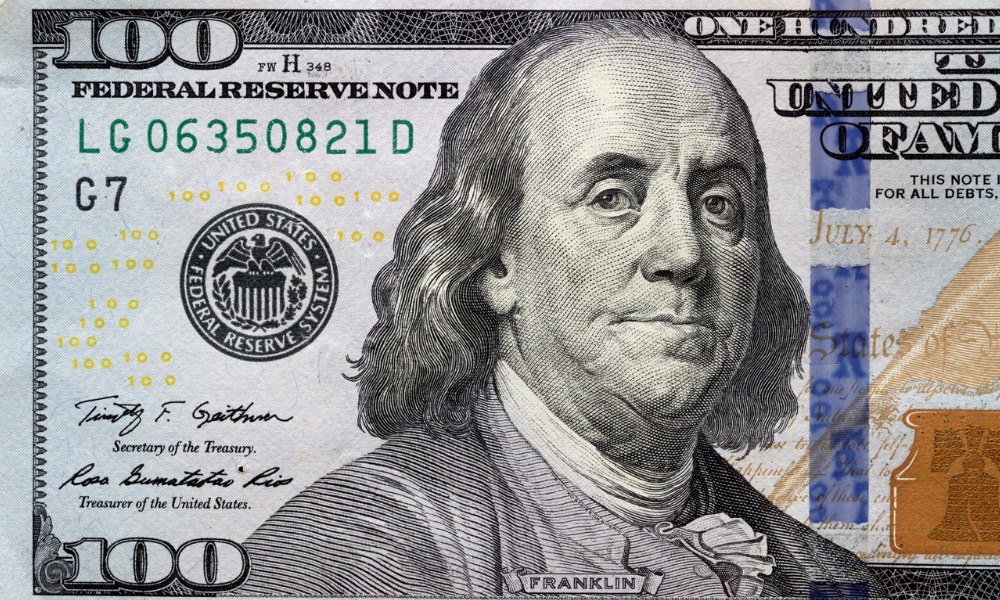
The US dollar index pared earlier losses to trade largely flat around the 99.1 level on Monday, as traders turned their focus to the closely watched US-China trade talks taking place in London.
Dollar pares losses on Monday
The meeting follows a phone call last week between President Trump and President Xi, which revived hopes that the prolonged trade dispute could begin to de-escalate. However, markets remained cautious due to a lack of concrete commitments, with both sides signaling areas of disagreement, particularly around technology and agricultural goods. Investors are also bracing for a string of high-impact US economic data later this week, including the Consumer Price Index (CPI) and Producer Price Index (PPI) reports for May. These releases will be scrutinized for signs of inflationary pressures amid persistent tariff-related supply chain disruptions and elevated energy costs. A higher-than-expected inflation reading could complicate the Federal Reserve’s policy outlook, as the central bank remains in a holding pattern amid conflicting signals from growth, labor markets, and trade developments.Lowest levels since 2022
Despite Monday’s relative stabilization, the dollar remains near its lowest levels since 2022, having lost nearly 3% over the past month as concerns mount over the long-term impact of President Trump's fiscal and trade strategies. Recent tariff hikes and sharp spending cuts have fueled fears of slowing economic momentum, widening the divergence between the US and more resilient economies such as the Eurozone and Australia. Consequently, capital flows have tilted away from US assets, with investors seeking opportunities in markets perceived as less vulnerable to protectionist policies and political uncertainty. On the day, the greenback was mostly weaker against the Japanese yen and the Australian dollar. The yen gained amid safe-haven demand ahead of the trade negotiations and following stronger-than-expected Japanese GDP data. The Australian dollar, meanwhile, rose on the back of stable commodity prices and signs of resilience in China’s industrial sector, despite weaker trade data overall. Looking ahead, the dollar’s direction will likely hinge on the outcome of the US-China dialogue, the tone of upcoming economic data, and any shifts in the Federal Reserve’s communication. With geopolitical risk and domestic uncertainty still looming large, the greenback may remain under pressure unless clearer signs of resolution or economic reacceleration emerge.UCapital Asset Management LLP or group companies may have commercial relationships with the companies mentioned. This content is not financial advice.
Sign up for free to ask the AI about this article.
Analyse the markets with UCapital’s AI agents
Open Markets →Multiples, financials, sentiment and risks in 60 seconds, with live data.