
Dollar eases as Trump announces new tariffs

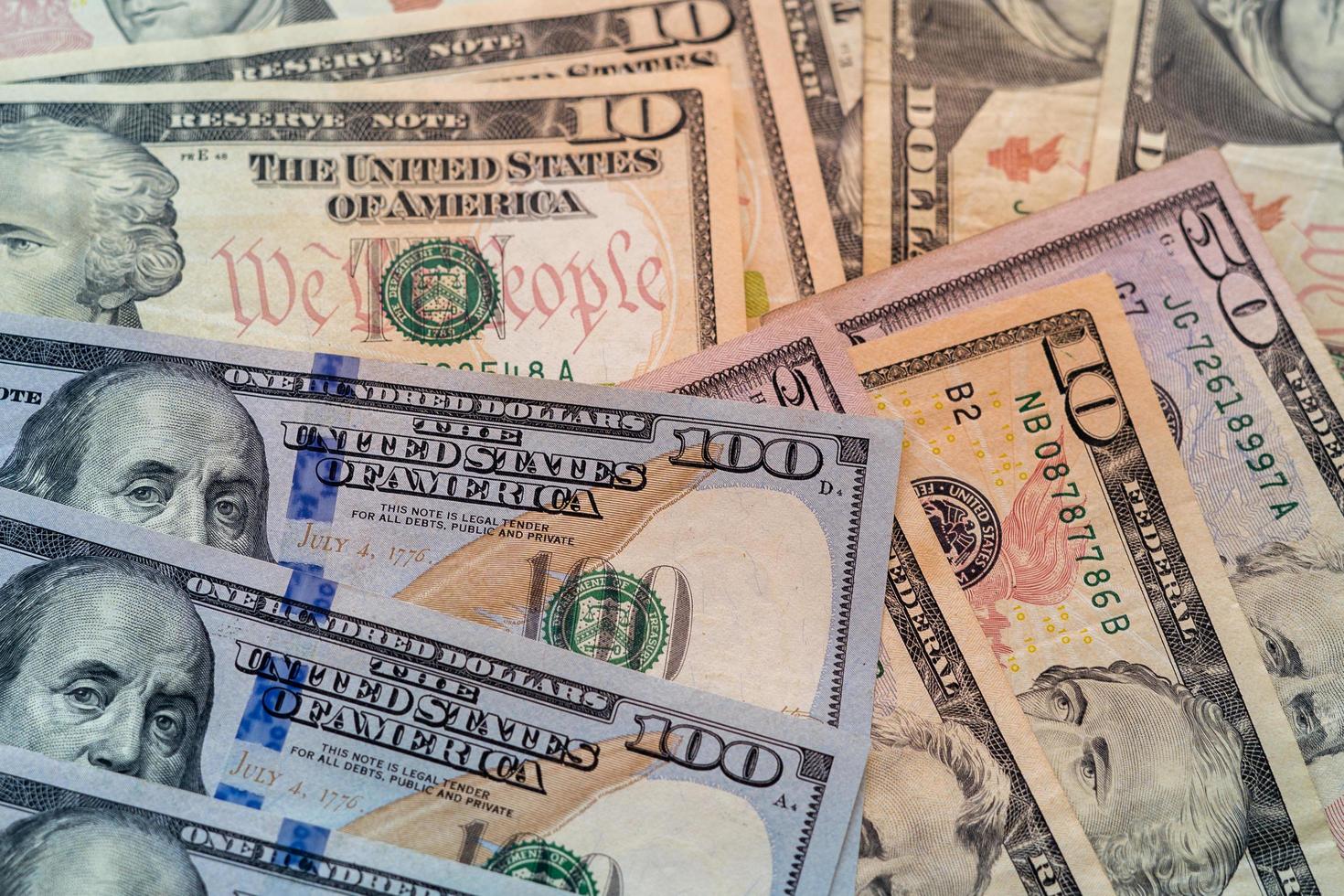
The US Dollar Index slipped below 97.5 on Tuesday, retreating from the previous session's gains as traders digested the latest geopolitical and economic developments.
The pullback came after President Donald Trump unveiled updated tariff rates targeting 14 countries that have yet to secure bilateral trade agreements with Washington. The list includes key export-driven economies such as Japan and South Korea, both of which are now subject to new 25% levies—raising concerns about potential disruptions in global trade flows and renewed friction with US allies.
Trump also signed an executive order extending the deadline for implementing reciprocal tariffs to August 1 from the original July 9 date, granting a short extension for further negotiations while maintaining pressure on trading partners.
In a more confrontational tone, Trump warned of an additional 10% tariff on nations that align with what he described as the “Anti-American policies of BRICS,” as the bloc—including Brazil, Russia, India, China, and South Africa—held a high-profile summit in Brazil focused on strengthening multilateral cooperation and reducing reliance on the US-led global financial system.
The remarks heightened geopolitical tensions and contributed to cautious positioning across currency markets.
Despite Tuesday’s modest dollar weakness, the greenback had posted solid gains on Monday, supported by receding trade anxieties and a recalibration of interest rate expectations. A stronger-than-expected US nonfarm payrolls report for June reinforced the narrative of a resilient labor market, easing fears of a near-term economic slowdown and significantly reducing the perceived urgency for additional Federal Reserve policy easing.
As a result, markets have largely priced out the likelihood of a rate cut at the Fed’s July meeting, with futures now favoring a more data-dependent path for the remainder of the year.
Looking ahead, the dollar’s trajectory will likely hinge on a delicate interplay between trade policy developments, geopolitical risk, and upcoming US economic data, including June CPI and PPI figures due later this week.
Continued strength in labor and inflation indicators could further dampen rate cut expectations and lend support to the dollar, while any escalation in global trade tensions—particularly involving BRICS or key US allies—could trigger risk aversion and fuel safe-haven demand. Market participants will also be closely monitoring Federal Reserve commentary for clues on the central bank’s policy bias as it navigates a complex macroeconomic landscape.
UCapital Asset Management LLP or group companies may have commercial relationships with the companies mentioned. This content is not financial advice.
Sign up for free to ask the AI about this article.
Multiples, financials, sentiment and risks in 60 seconds, with live data.