
Chip stocks under pressure as SK Hynix and Samsung plunge
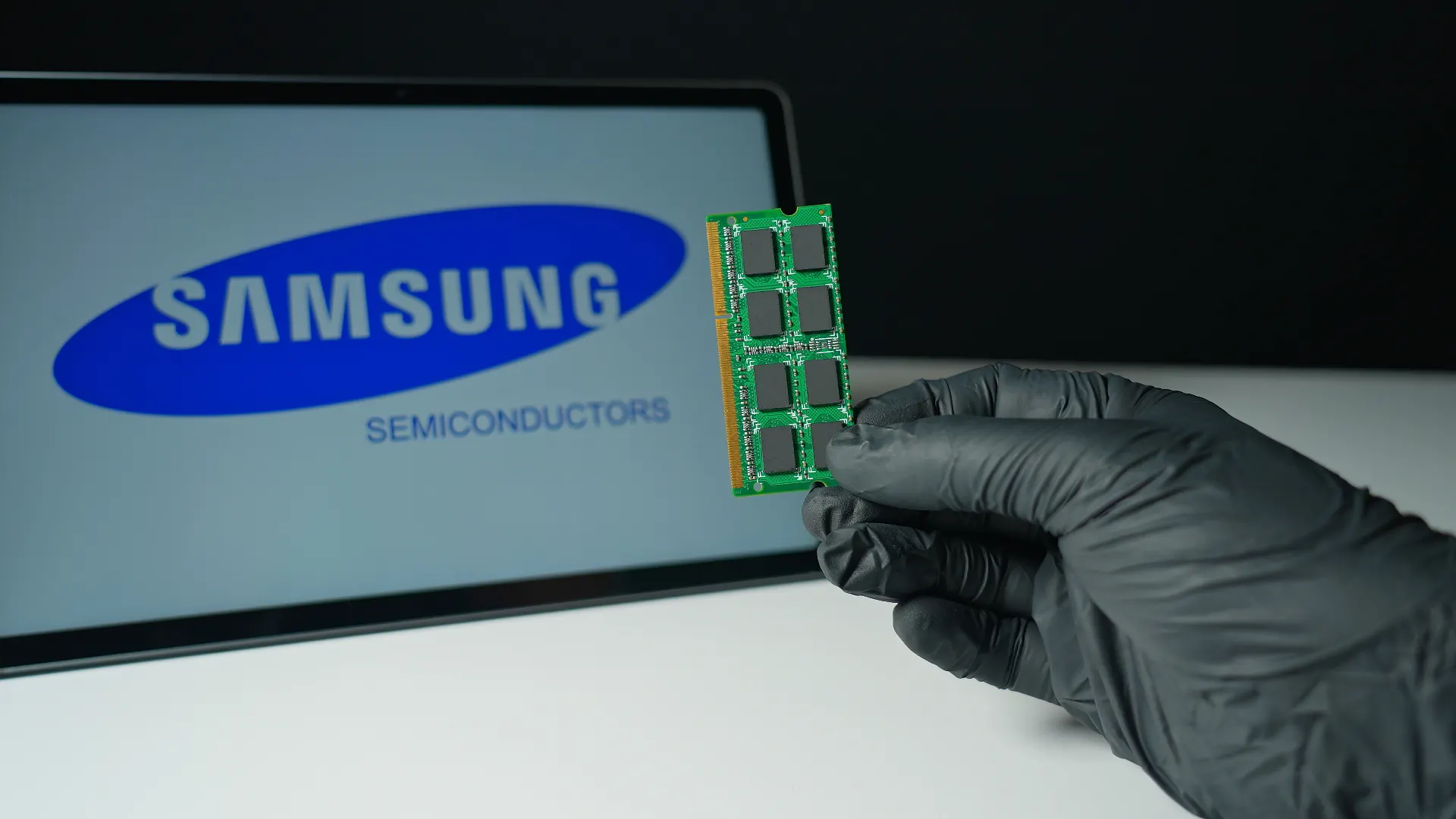
Semiconductor stocks are facing a sharp correction across global markets after heavy losses in Asian technology shares and continued weakness in the U.S. chip sector.
In South Korea, SK Hynix plunged 14.65% and Samsung Electronics dropped more than 13%, dragging the broader AI-related semiconductor sector lower. Heavy selling also hit other Asian technology names, including Tokyo Electron (-10.96%), Advantest (-10%), Kioxia (-18%) and TSMC, which closed nearly 3% lower.
The pressure spread to Europe, where ASML shares declined following reports that a Chinese company has developed an immersion DUV lithography machine, a technology segment dominated by the Dutch group. Other semiconductor stocks, including ASM International and BE Semiconductor, also moved lower.
In the United States, the negative sentiment continued to weigh on the sector: Nvidia fell around 1.2%, while AMD and Intel dropped more than 3%. Memory chipmaker Micron declined nearly 5%.
The sell-off highlights the strong connection between global technology markets and the artificial intelligence investment cycle. SK Hynix and Samsung, among the world’s largest suppliers of high-bandwidth memory (HBM) chips used in AI servers, remain particularly exposed to changes in expectations for spending by major cloud and AI infrastructure companies.
UCapital Asset Management LLP or group companies may have commercial relationships with the companies mentioned. This content is not financial advice.
Sign up for free to ask the AI about this article.
Multiples, financials, sentiment and risks in 60 seconds, with live data.