
Asian stocks close mostly lower following Wall Street losses amid geopolitical concerns

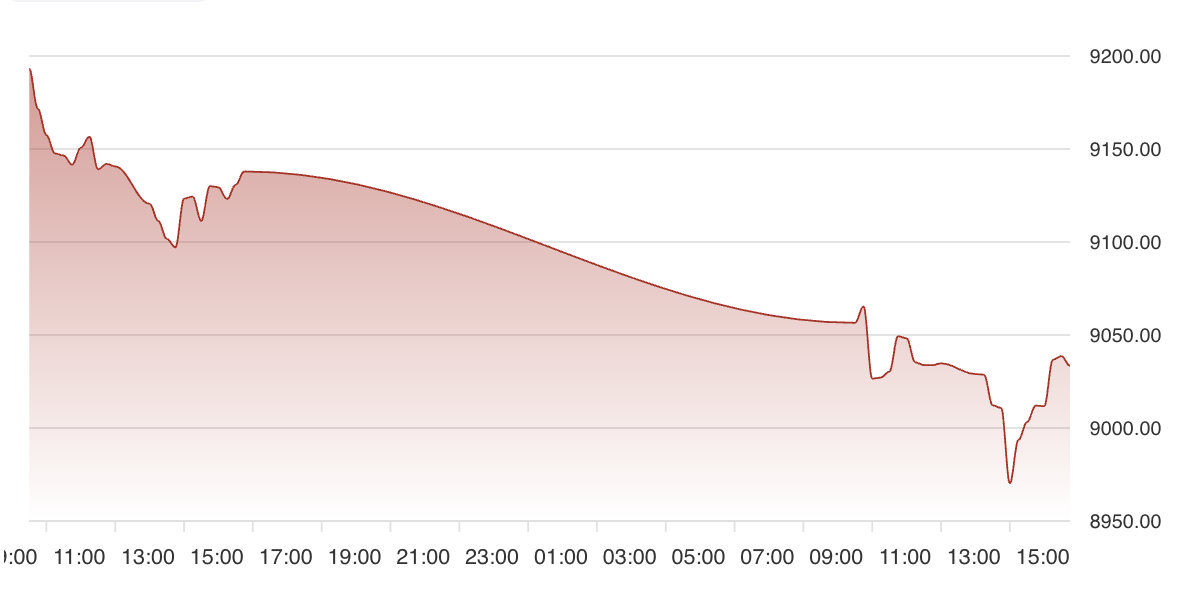
Indices
The major Asian indices are exhibiting divergent performance, reflecting both global and regional pressures. The Nikkei 225 (^N225) experienced a notable decline, closing at 51.12K, down 1.6%. This drop was primarily led by weakness in technology stocks, signaling heightened volatility and investor caution. The Hang Seng Index (HSI) fell by 1.2% to 26.14K, despite positive momentum from a high-profile IPO in the tech sector. Meanwhile, the Shanghai Composite Index (SSEC) edged down by nearly 0.1% to 4.08K, maintaining relative stability but reflecting subdued investor appetite.
The micro-trend for the Nikkei 225 indicates recent gains have been offset by the current pullback, suggesting a cautious approach is warranted. In contrast, the Hang Seng demonstrates resilience within tech constituents, and the Shanghai Composite’s muted movement implies a wait-and-see stance for market participants.
Stocks
Several stocks stand out amid today's trading activity. In Japan, SoftBank was a major laggard in the Nikkei 225, falling by -7.6, while Tokyo Electron lost -4, reflecting sector-specific pressures in technology. In Hong Kong, Zhipu, a newly listed Chinese AI firm, surged up to 15 on its IPO debut, drawing significant investor interest and highlighting continued appetite for innovation-focused companies, even in a cautious broader market.
These sharp moves suggest active rotation within sectors, with technology both leading gains in some markets and driving losses in others. Investors may seek opportunities in newly listed or resilient tech stocks while remaining wary of established names facing profit-taking or sector rebalancing.
Economic News
Recent headlines have shaped the trading landscape in Asia. The Nikkei 225’s volatility is influenced by lingering geopolitical tensions, including the Russia-Ukraine conflict and U.S. monetary tightening. Domestic developments, such as the resignation of Japanese officials, have also contributed to uncertainty. The Hang Seng Index has reacted to Middle East tensions and trade negotiations between the U.S. and China, with even minor escalations triggering market caution. For the Shanghai Composite, China’s slowing economic growth is evident in softer PMI data; the China General Services PMI eased to 52.1, and the composite PMI slipped to 51.2—both signaling the weakest expansion in several months.
Policy statements, international negotiations, and macroeconomic releases continue to drive sentiment and lead to sector-specific rallies or pullbacks, as seen in the recent chip stock rally in December and the impact of property sector stress.
Economic Events
No significant economic calendar events have been reported this week for Japan, China, or Hong Kong. The absence of major scheduled releases leaves the indices more susceptible to unanticipated geopolitical or macroeconomic developments. With no upcoming data-driven catalysts, market volatility may be heightened by headline risk and investor positioning ahead of potential policy changes or global shocks.
Market Sentiment
Market sentiment across Asian equities remains cautious, characterized by defensive positioning and selective risk-taking. The Nikkei 225’s pullback and sector-led volatility suggest that investors are increasingly risk-averse, especially regarding technology. In the Hang Seng, resilience in new tech listings such as Zhipu points to pockets of optimism amid an otherwise subdued environment. The Shanghai Composite’s stability reflects a wait-and-see attitude, with traders awaiting clearer direction from economic policymakers or global developments.
Overall, sentiment is being shaped by a combination of global risk factors—such as U.S. monetary policy, geopolitical flashpoints, and regional economic data—with investor behavior oscillating between safe-haven positioning and opportunistic buying in outperforming sectors.
Please note that the analysis is for informational purposes only and does not constitute financial advice. Users should conduct their own research.
UCapital Asset Management LLP or group companies may have commercial relationships with the companies mentioned. This content is not financial advice.
Sign up for free to ask the AI about this article.
Multiples, financials, sentiment and risks in 60 seconds, with live data.