
Aluminum futures hold steady at around $2,640 per tonne

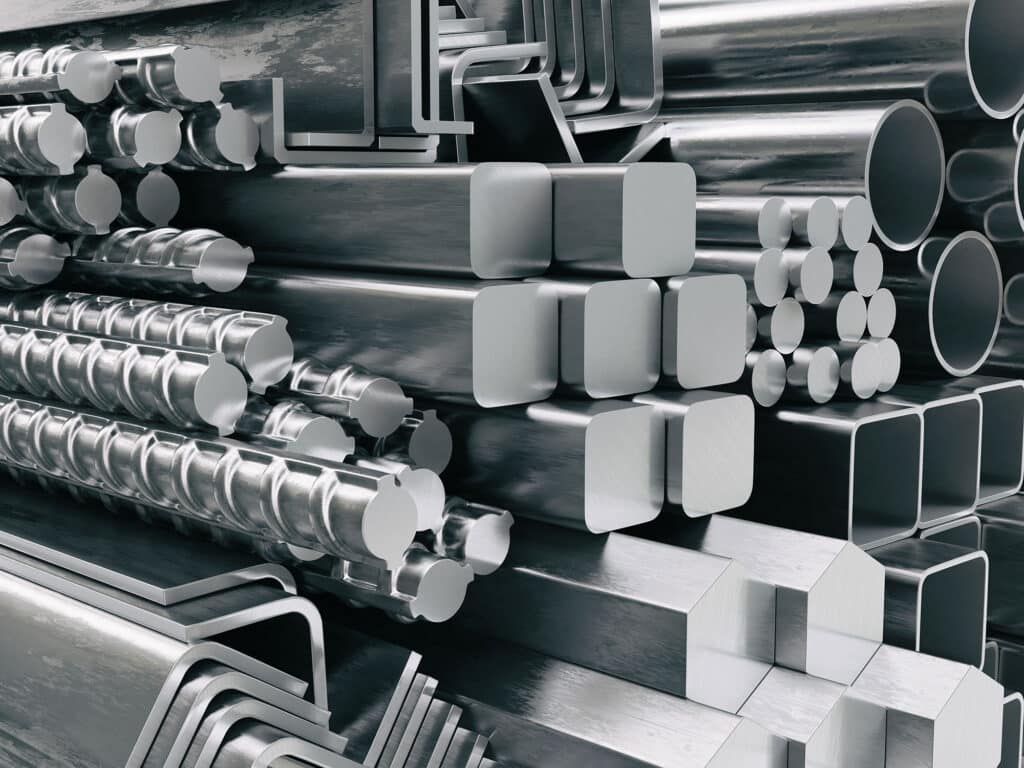
Aluminum futures held steady at around $2,640 per tonne, remaining close to the four-month high of $2,670 reached on July 24th, as markets continued to price in the prospect of tightening supply and recovering demand—particularly from China, the world’s largest producer and consumer of aluminum.
Production in China is expected to slow over the coming months, as the country nears its state-imposed annual production cap of 45 million tonnes, a key policy aimed at curbing carbon emissions and promoting green industrial practices. This potential supply squeeze has led to heightened price volatility and stronger bullish sentiment across global aluminum markets.
At the same time, demand in Europe has shown signs of recovery, supported by increased investment in defense and strategic infrastructure amid heightened geopolitical risks. EU member states have ramped up military procurement and industrial development, boosting aluminum usage in aerospace, transport, and machinery sectors.
However, supply to European manufacturers remains constrained due to ongoing sanctions on Russia, one of the world’s top aluminum exporters. The disruption of Russian exports continues to create tightness in the European market, compounding concerns about long-term availability.
Meanwhile, in China, the demand outlook for industrial metals received a further lift following the government's recent announcement of a CNY 1.2 trillion hydroelectric dam project. The massive infrastructure initiative is seen as a strategic measure to stimulate the economy, which has been weighed down by a prolonged property market downturn and weak private investment.
This aligns with Beijing’s broader policy shift toward channeling fiscal resources into infrastructure and public works, in an effort to stabilize growth and create jobs.
Notably, these moves come alongside the Chinese government’s pledge to address industrial overcapacity, particularly in heavy industry sectors such as steel, aluminum, and cement. By encouraging consolidation and curbing excessive production, Beijing aims to balance environmental goals with economic resilience. As a result, aluminum markets are being shaped by a delicate interplay between regulatory supply-side restrictions and demand-side stimulus, creating a supportive backdrop for prices in the short to medium term.
UCapital Asset Management LLP or group companies may have commercial relationships with the companies mentioned. This content is not financial advice.
Sign up for free to ask the AI about this article.
Multiples, financials, sentiment and risks in 60 seconds, with live data.