
AgriPass raises $7.5M seed round to scale AI driven weed control for farms
AgriPass raises a seed round to expand AI for agriculture, advancing precision agriculture technology and sustainable weed management across…
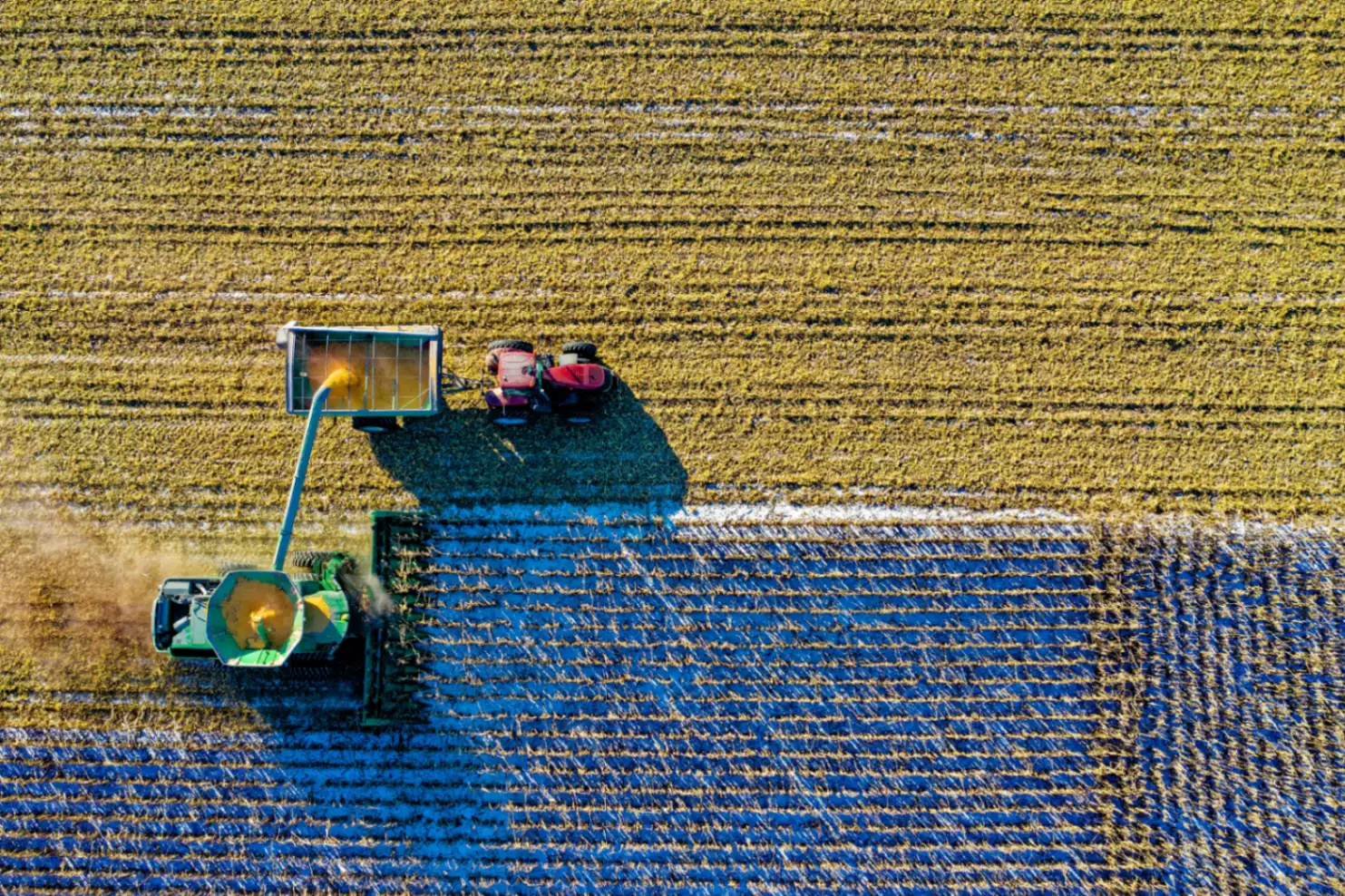
AgriPass, an agricultural technology start up developing human inspired artificial intelligence for selective weed management, has secured $7.5 million in seed funding. The investment will support expansion of its adaptive AI solutions across farms in the United States and Europe, helping growers reduce reliance on broad spectrum herbicides and improve sustainability in crop production, according to PR Newswire.
Seed investment to accelerate AI for precision weed management
The seed round was led by a mix of venture capital and strategic agrifood investors including XYZ Ventures, GreenGrowth Partners, and AgriTech Capital, with participation from individual angel investors experienced in agriculture and machine learning. With this funding, AgriPass plans to advance its proprietary AI tools and expand field deployment efforts in key agricultural regions globally.
Weed control remains one of the most labor intensive and costly aspects of crop management. Traditional methods often involve large applications of broad spectrum herbicides that can harm soil health, impact non target plant species, and contribute to herbicide resistance over time. AgriPass is developing AI algorithms that mimic the decision making process of experienced agronomists to detect, classify, and selectively manage individual weed plants, reducing chemical usage while maintaining crop yield.
The company intends to dedicate the seed capital to further refine its machine learning models, expand data collection from partner farms, and scale operations into additional cropping systems. AgriPass also plans to grow its engineering and field support teams to ensure smoother adoption of its technologies by growers.
AI for agriculture and weed management
At the core of AgriPass’s approach is an adaptive AI platform trained on vast datasets of crop and weed images from diverse environments. Rather than applying uniform treatments across entire fields, the system analyzes real time field imagery to distinguish between valuable crops and unwanted weeds. It then guides or drives targeted control measures, such as spot spraying, mechanical removal, or other precision tactics, that minimize collateral impact.
This form of selective weed management reflects a shift toward “smart agronomy,” where software learns from agricultural environments in much the same way a human specialist would. The AI continually updates its understanding of plant characteristics and environmental conditions, enabling it to adapt across different geographies and cropping patterns.
Growers using AgriPass technology can expect to reduce chemical inputs, lower operational costs, and support environmental stewardship goals. By narrowing interventions to where they are most needed, the system also aims to slow the development of herbicide resistant weed populations, a major concern for global agriculture.
Pilot projects in both North America and Europe have demonstrated the promise of this AI driven approach, with early adopters reporting improvements in precision and reductions in unnecessary herbicide application. These successes have helped attract venture capital interest and laid the groundwork for expanded deployment.
Background: AI and precision agricultural technology
Modern farming increasingly relies on data and automation to address complex challenges, including pest management, nutrient optimization, and climate variability. As global food demand rises and regulatory pressures around chemical use tighten, technologies that enhance precision and sustainability are gaining traction.
Artificial intelligence is emerging as one of the key tools in this transformation. By processing large volumes of sensor and image data, AI systems can recognize patterns and make decisions that would be difficult or time consuming for humans alone. In the context of weed control, this means identifying individual plants, predicting their growth patterns, and selecting context appropriate management actions.
AgriPass’s seed funding round reflects broader investor confidence in agritech solutions that enable growers to do more with less, reducing inputs, improving profitability, and lessening environmental impact. The company’s focus on replicating human agronomic intuition with machine learning places it at the intersection of agriculture and advanced computing.
By raising $7.5 million in seed financing, AgriPass is poised to scale its human inspired AI platform for adaptive and selective weed control across major agricultural regions. The technology offers a promising alternative to conventional blanket herbicide applications, aligning with industry trends toward precision agriculture and sustainability.
As adoption of AI continues to rise among growers seeking smarter management tools, solutions like AgriPass’s could help reshape how farming systems approach weed control, balancing productivity, cost efficiency, and environmental responsibility.
UCapital Asset Management LLP or group companies may have commercial relationships with the companies mentioned. This content is not financial advice.
Sign up for free to ask the AI about this article.
Multiples, financials, sentiment and risks in 60 seconds, with live data.