
Wizz Air cuts revenue forecast despite 26% jump in H1 operating profit

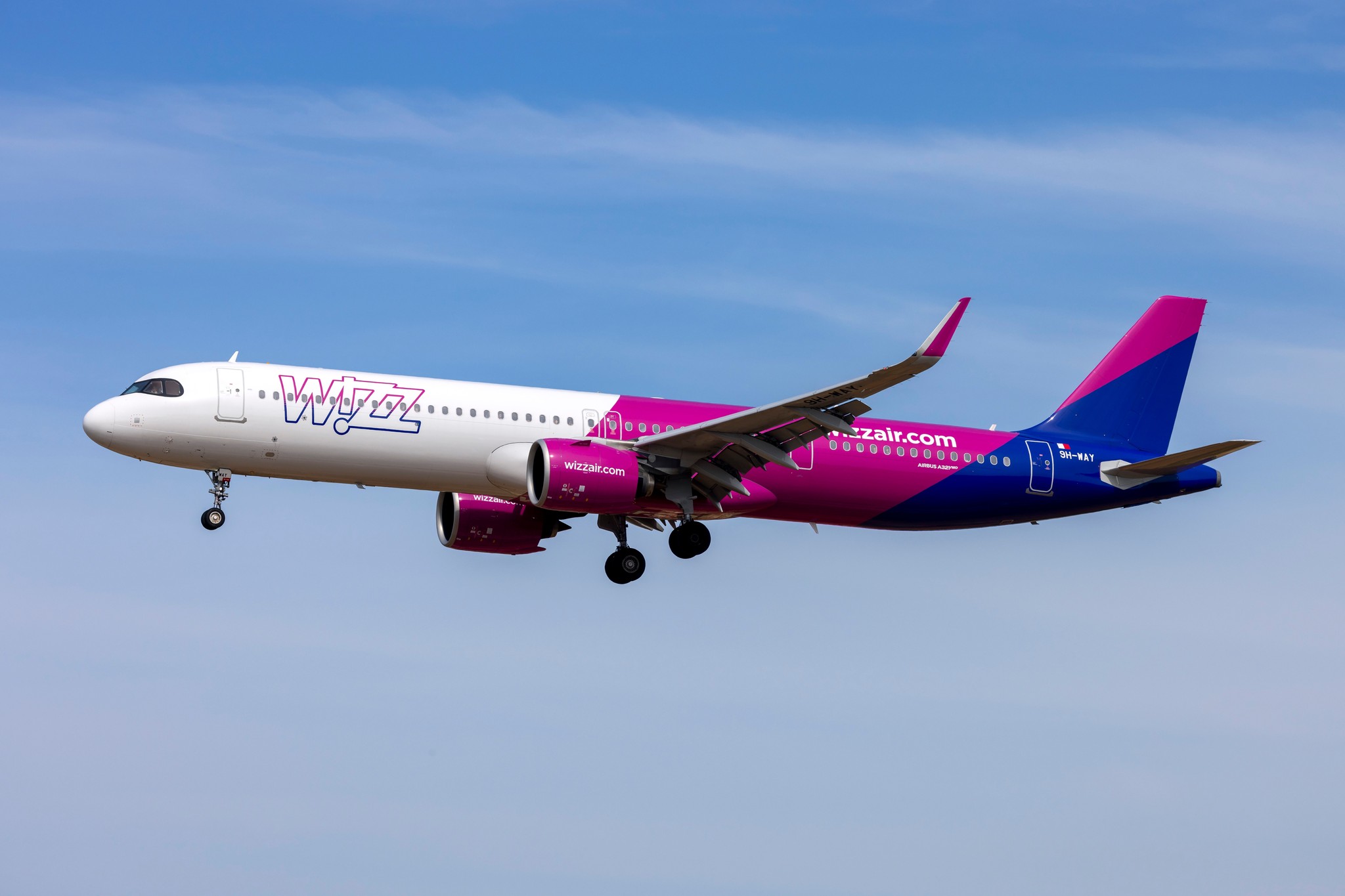
Wizz Air has forecast a low-single-digit decline in full-year revenue and flagged winter capacity as a “short-term challenge,” even as its first-half operating profit rose almost 26% to €439.2 million ($512.2 million), beating analyst expectations of €367 million.
Shares of the Hungarian low-cost carrier rose 8.4% in early trading, with analysts viewing the adjusted approach as a prudent step while the airline executes its turnaround plan. CEO Jozsef Varadi highlighted that lower fuel costs and reduced flight disruption charges contributed to the strong H1 performance, even as external factors like Pratt & Whitney engine issues and geopolitical challenges continued to pressure earnings recovery.
To manage costs, Wizz Air has delayed the delivery of 88 Airbus jets from 2030 to 2033, and recently announced the closure of its Abu Dhabi and Vienna bases to centralize operations. Despite the profit growth, the airline remains a laggard in the European market, with shares down 39% over the past six months. Analysts see the revenue and capacity adjustments as sensible measures to stabilize operations amid ongoing sector challenges.
UCapital Asset Management LLP or group companies may have commercial relationships with the companies mentioned. This content is not financial advice.
Sign up for free to ask the AI about this article.
Growth, inflation and rates across the major economies, with the impact on your business.