
US current account gap widens in first quarter

The U.S. current account deficit widened significantly in the first quarter of 2025, increasing by $138.2 billion, or 44.3%, to reach $450.2 billion.
This marked a sharp deterioration from the revised fourth-quarter deficit of $312 billion and came in worse than market expectations, which had projected a gap of $443.3 billion. The widening imbalance underscores persistent external pressures on the U.S. economy, driven primarily by a surge in goods imports and weakening income flows.
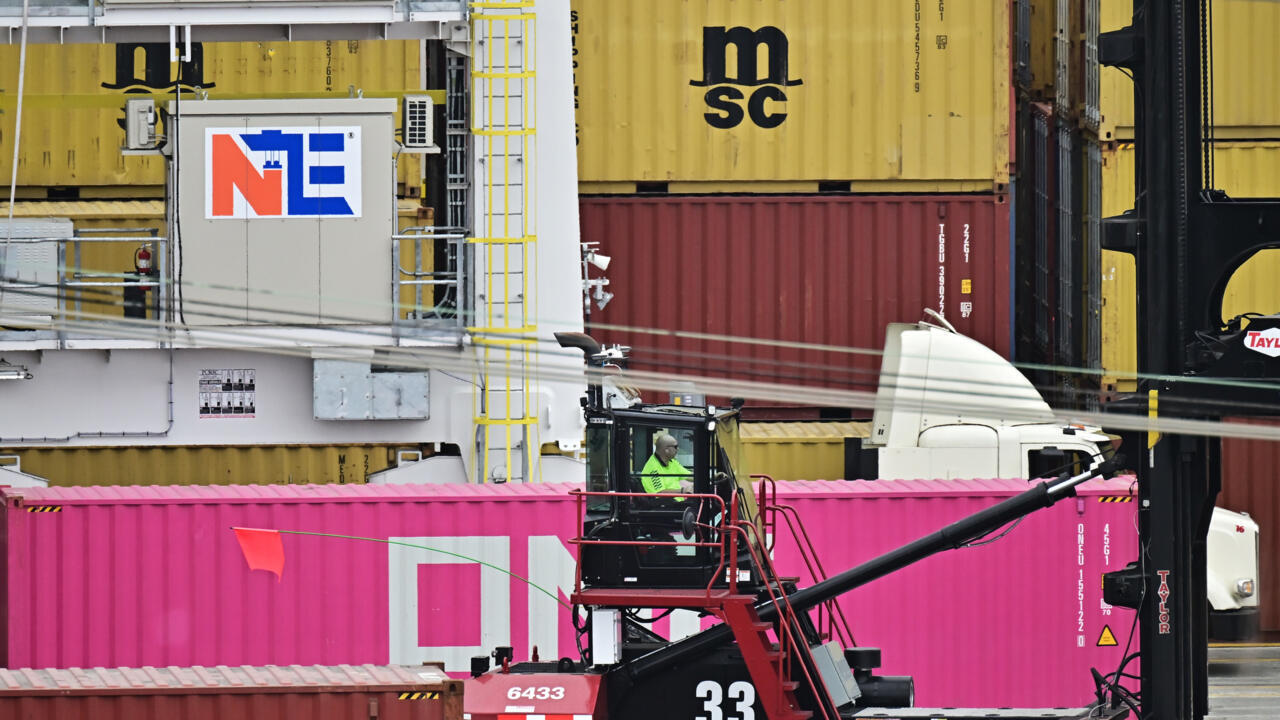
The goods trade deficit was the largest contributor to the overall deterioration, expanding to $466 billion from $328.9 billion in the previous quarter. Imports rose sharply by $158.2 billion to exceed $1 trillion for the quarter—the highest on record—fueled largely by demand for nonmonetary gold and consumer goods. Notably, medicinal, dental, and pharmaceutical products accounted for a significant share of the increase, reflecting both rising healthcare-related consumption and elevated prices.
Exports also grew, albeit at a slower pace, climbing by $21.1 billion to reach $539 billion. The increase was driven mainly by capital goods, particularly civilian aircraft, as well as computer accessories, peripherals, and parts—indicating some resilience in high-tech and aerospace sectors.
In the services sector, the surplus narrowed slightly to $75.4 billion from $78 billion, reflecting softer demand for certain U.S. services abroad. At the same time, the primary income balance deteriorated sharply, swinging to a deficit of $7.6 billion from a $1.6 billion surplus in Q4 2024. This shift was largely attributed to a decline in direct investment income, especially in the form of earnings from U.S. assets held abroad, which may reflect softer global profitability or changing investment dynamics.
On a more positive note, the secondary income deficit—primarily composed of unilateral transfers such as remittances and foreign aid—narrowed to $52 billion from $62.6 billion, partially offsetting losses elsewhere in the current account. However, the overall picture remains one of rising external imbalances, raising concerns about the sustainability of U.S. trade dynamics and potential implications for the dollar and future monetary policy.
UCapital Asset Management LLP or group companies may have commercial relationships with the companies mentioned. This content is not financial advice.
Sign up for free to ask the AI about this article.
Growth, inflation and rates across the major economies, with the impact on your business.