
UK inflation climbs to 3.6% in October as fuel costs push prices higher
UK consumer prices were 3.6% higher in October than a year earlier, the fastest pace in twelve months, with motor fuel the main driver. The pound fell 0.3% to $1.3173 as traders pared bets on more Bank of England rate hikes.
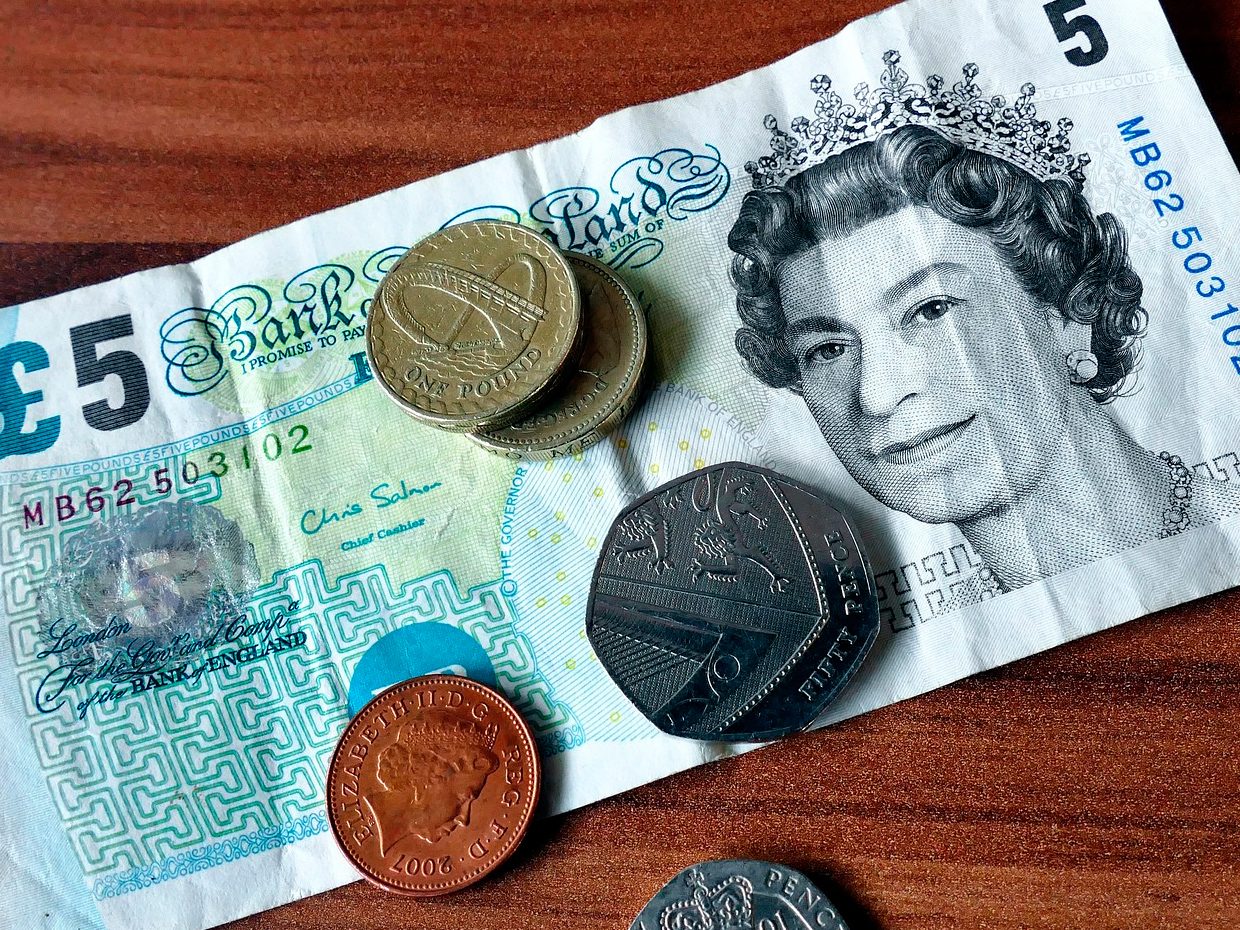
- 01UK annual inflation reached 3.6% in October, the highest reading in a year
- 02Motor fuel costs rose 33.2% year-on-year and were the largest contributor, the ONS said
- 03The pound fell 0.3% on the day to $1.3173 after the release
- 04EU CPI for October was 104.8 on the index, against an estimate of 104.77 and a previous 104.31
British consumer prices in October were 3.6% higher than a year earlier, the quickest annual pace in twelve months, according to data published on Wednesday 18 November. The pound extended its losses after the release and traded 0.3% lower on the day at $1.3173.
What happened
The Office for National Statistics said the largest contributor to the higher annual rate was motor fuel. Fuel costs were 33.2% above their level of a year earlier. The statistics office also said the average price of petrol rose by 5.2 pence per liter between September and October.
Press coverage of the release points to record diesel prices and to wider energy costs as the main forces behind the move. One analysis described the October increase as largely energy related. Fuel costs, in the words of the coverage, continued to rise through the month, which kept pressure on the annual rate.
Why it matters
A one-year high in inflation keeps the Bank of England's policy path at the center of attention. The Bank's chief economist said further rate rises are needed to combat inflation. That is a view held by the official, and it is not a market projection.
One analysis said risks to underlying inflation remain elevated. The energy-led character of the increase matters because fuel and energy prices can feed into the wider costs of households and businesses. For policymakers, the key issue is how far the rise spreads into broader prices.
Because the biggest single contribution came from motor fuel, the headline rate depends heavily on commodity-linked prices. Such prices can move quickly in either direction, which complicates the work of a central bank that sets rates by looking at the medium-term trend. A reading of 3.6% also gives the Bank a clear reference point for its next assessment of price pressures.
Market impact
Sterling was the main instrument to react. It fell 0.3% to $1.3173 as traders pared their bets on further Bank of England rate hikes. The reaction suggests that investors saw the data as less supportive of extra tightening than they had priced before the release.
The move came even though the headline figure was the highest in a year. This shows that markets look beyond the headline and focus on what drives it. When an increase comes mainly from fuel and energy, traders may judge that it leaves less room for a lasting policy response, although the central bank's own economist has argued for more rises.
Elsewhere on the macro calendar, EU consumer prices for October were released earlier in the session. The CPI index stood at 104.8, against an estimate of 104.77, and compared with a previous reading of 104.31. That release was a separate data point and is not the cause of the sterling move described above.
What to watch next
The next focus is how the Bank of England communicates after the October reading. Its chief economist has already said that further rate rises are needed, and market participants will follow how officials describe the role of energy costs in underlying inflation.
Fuel prices remain the key variable. If motor fuel costs keep rising, they would hold the headline rate at an elevated level. The next monthly inflation releases from the ONS will show whether the October rise was a one-off step or the start of a longer trend, and how traders adjust their rate expectations in response. Investors will also follow the pound, which reacted first to the data, for signs of how the market reads the policy outlook in the coming sessions.
Sources:UCapital Markets (ucapital.com)bloomberg.comcnbc.comFinancial Times (ft.com)Financial Times (ft.com)
UCapital24 S.p.A. or group companies may have commercial relationships with the companies mentioned. This content is not financial advice.
Sign up for free to ask the AI about this article.
Growth, inflation and rates across the major economies, with the impact on your business.