
The Fed cuts rates: a first step toward a new monetary phase

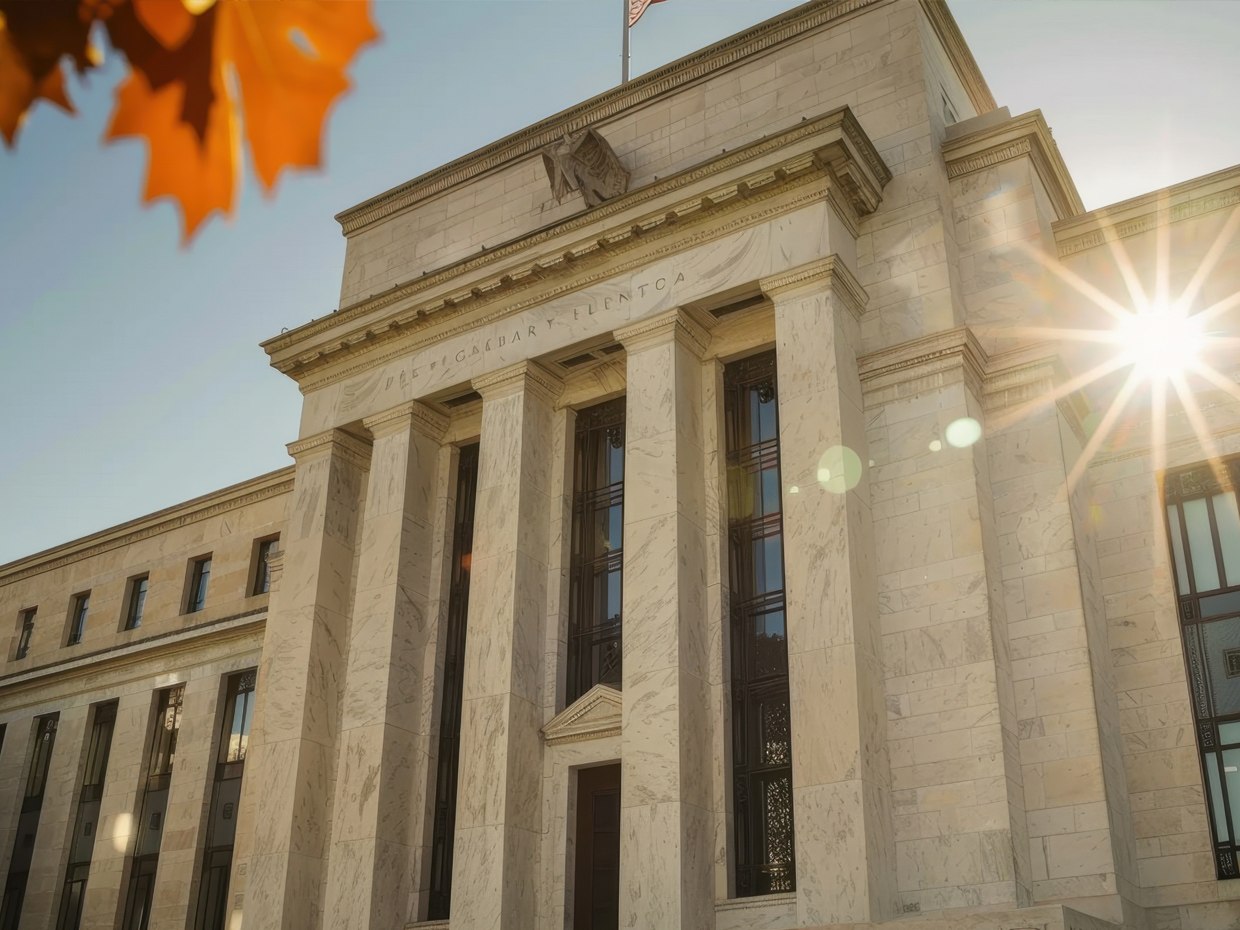
The 25-basis-point rate cut marks a turning point for the Federal Reserve, which aims to support a slowing economy without losing sight of still-elevated inflation. Markets are now watching Powell’s next moves closely.
The Federal Reserve has decided to cut the federal funds rate by 25 basis points, bringing the target range to between 3.75% and 4%. The move—expected but not guaranteed—comes at a time of moderate economic expansion, with signs of cooling in the labor market and inflation still struggling to return to target levels.
At the same time, the Federal Open Market Committee (FOMC) announced it will end the reduction of its securities holdings as of December 1, closing a long phase of “quantitative tightening.” Many observers see this as the start of a real shift in the U.S. central bank’s strategy.
The Fed reiterated that future decisions will remain data-dependent: inflation, growth, and employment will guide upcoming meetings. Powell hinted that another rate cut in December is not a given, tempering market enthusiasm that had already priced in a faster path of easing.
For investors, the key question remains where the Fed will focus its attention—on supporting a weakening labor market or on containing inflation that remains too high. As Bret Kenwell, analyst at eToro, noted, the lack of fresh data makes the FOMC’s task particularly challenging.
Despite the uncertainty, the Nasdaq 100 continues to rally, up more than 20% since the start of the year. Yet after seven consecutive months of gains, many traders are beginning to fear profit-taking. Kenwell points out that the strength of corporate earnings and consumer spending will be crucial in determining whether any upcoming corrections create new buying opportunities.
Jeffrey Cleveland, chief economist at Payden & Rygel, also believes the Fed’s move was inevitable: the level of rates had become excessively restrictive. The economist expects further cuts in the coming months—perhaps more than markets anticipate. If the economy slips into recession, the Fed would be ready to act decisively; if growth rebounds, normalization could occur alongside falling inflation and easing trade pressures. Cleveland foresees up to three additional 25-basis-point cuts in 2026, with potentially positive effects on the bond market.
The central bank’s message is clear: the era of monetary tightening is over, but the challenge of restoring balance between growth and inflation is far from finished.
Andrea Pelucchi
UCapital Asset Management LLP or group companies may have commercial relationships with the companies mentioned. This content is not financial advice.
Sign up for free to ask the AI about this article.
Growth, inflation and rates across the major economies, with the impact on your business.