
Rosneft limits petrol sales nationwide after renewed Ukrainian refinery strikes
Russian oil group Rosneft restricted petrol sales at filling stations across the country on 9 November, after Ukraine resumed strikes on refineries following a brief pause.
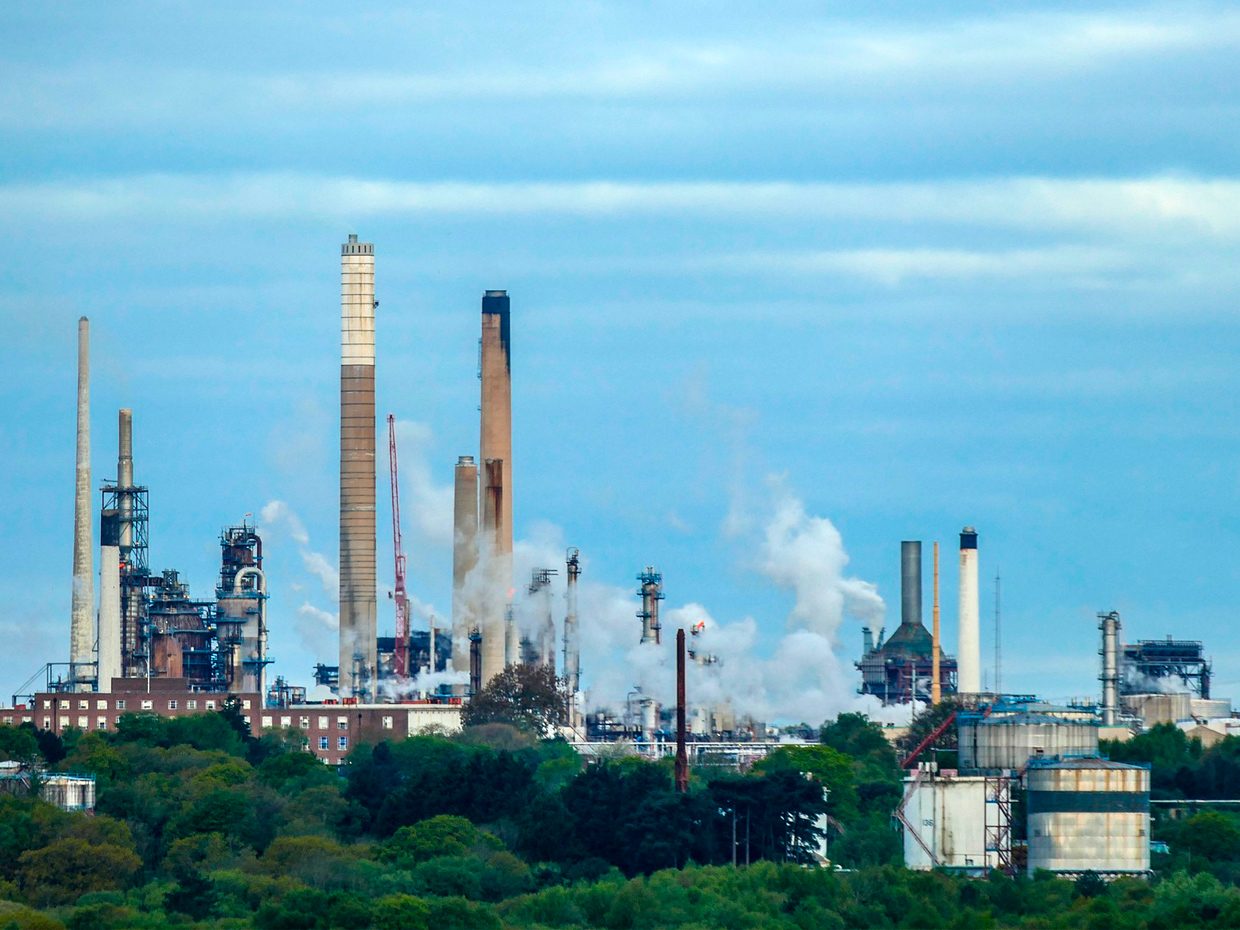
- 01Rosneft restricted petrol sales at filling stations across Russia
- 02Ukraine resumed refinery strikes after a brief pause
- 03The pause had come under pressure from the Trump administration
- 04The size of the sales limits was not stated in the available information
Russian oil group Rosneft restricted petrol sales at filling stations across the country on 9 November. The step followed a renewed wave of Ukrainian strikes on Russian refineries.
What happened
Rosneft limited petrol sales "across the country", according to the information available on Monday. The restriction applies to the company's filling stations and points to pressure on domestic fuel supply.
The curbs came after Ukraine resumed attacks on refineries. Kyiv had stopped them briefly, under pressure from the Trump administration. The pause was short, and the strikes began again afterward.
The information available does not give the size of the sales limits, the number of refineries hit or the volumes taken out of production. Those details are therefore not reported here. The same applies to any timetable for lifting the limits, which the company has not been reported to give.
Why it matters
Refineries turn crude oil into petrol and other fuels. When they are damaged or shut, the supply of fuel to the domestic market can tighten. A restriction on retail sales by a major oil group shows that the effects of the strikes have reached consumers at the pump.
The sequence also shows how closely the military campaign and diplomacy are linked. A pause that followed Washington's pressure did not last. The renewed attacks have now brought a direct commercial response from a large producer.
Fuel supply is also a question of economic policy. Governments often manage shortages through administrative measures, and a limit on sales at the pump is one such measure. It shifts part of the cost of the conflict onto households and businesses that depend on petrol for transport.
For investors, the episode is a reminder that energy infrastructure in the conflict zone is a continuing source of risk for fuel markets and for companies in the sector. No market prices or instrument moves are available for this report, so no effect on trading can be described.
What to watch next
The first open question is how long the restrictions at Rosneft's filling stations last, and whether other fuel retailers adopt similar limits. The second is whether the Ukrainian strikes continue at the current pace or pause again under outside pressure.
Official statements from the company and from the authorities in Moscow, Kyiv and Washington will show how each side reads the situation. Any further figures on refinery damage or on fuel availability would clarify the scale of the disruption.
Sources:Financial Times (ft.com)
UCapital24 S.p.A. or group companies may have commercial relationships with the companies mentioned. This content is not financial advice.
Sign up for free to ask the AI about this article.
Growth, inflation and rates across the major economies, with the impact on your business.