
Industrial electricity price cap to cost Germany over €3 billion

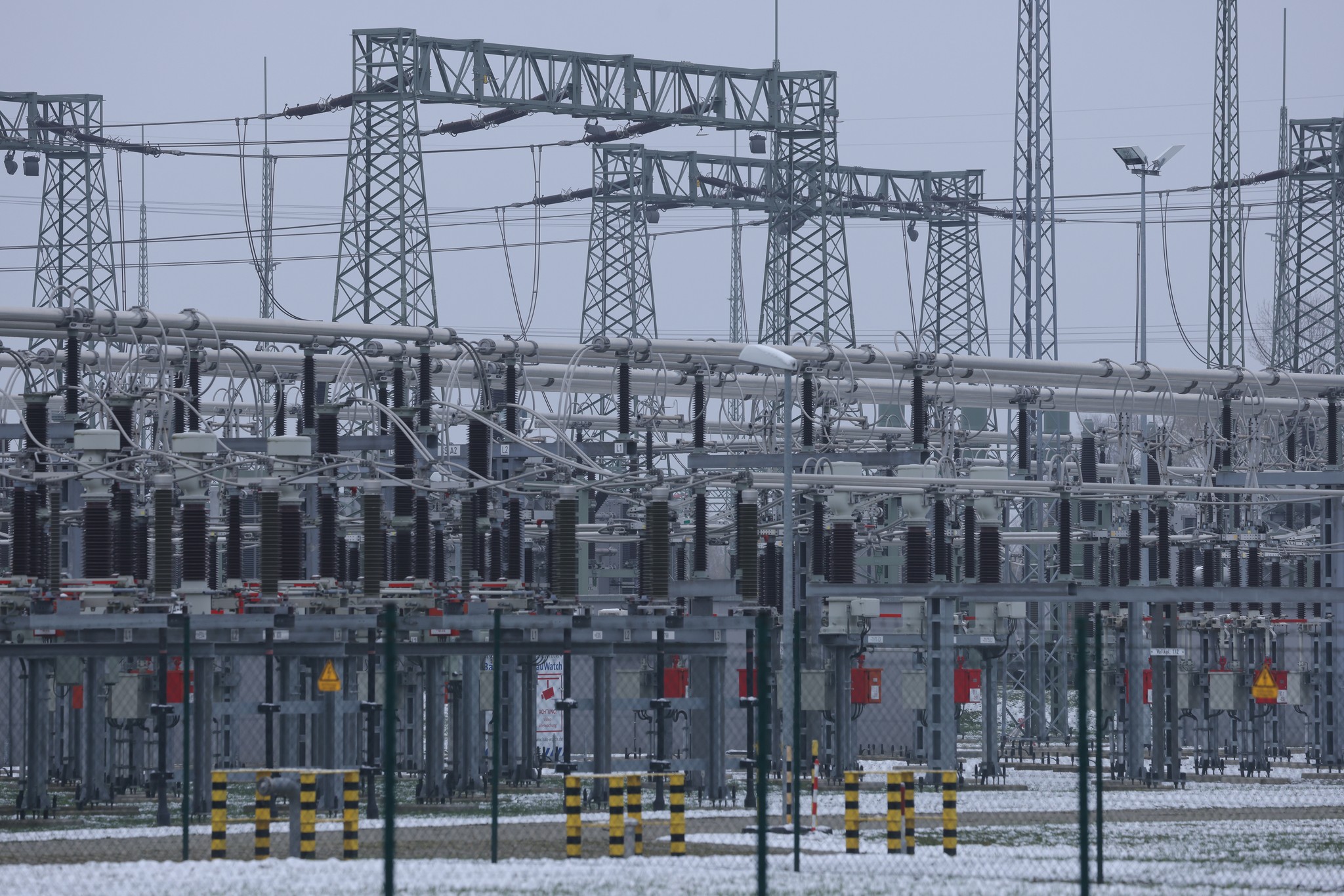
Germany's proposed industrial electricity price cap for energy-intensive sectors is expected to cost the federal government more than EUR3 billion, according to a draft obtained by dpa.
The Economy Ministry projects payments of EUR3.1 billion between 2027 and 2029.
The measure, agreed last week by the leadership of Chancellor Friedrich Merz's coalition, aims to ease energy costs for particularly power-hungry industries at high risk of relocating abroad.
Finance Minister Lars Klingbeil had initially estimated the programme could cost between EUR3 billion and EUR5 billion, to be financed from the federal Climate and Transformation Fund, a special state account.
The plan would limit the price for half of annual electricity consumption to EUR0.05 per kilowatt-hour. The draft, which still requires approval within the federal government, stipulates that companies can claim subsidies for electricity consumed from 2026 to 2028, with payments made the following year.
Some 91 industry sectors are expected to benefit, including much of the chemical and metal industries, glass and ceramics production, cement manufacturing and the production of batteries and semiconductors.
Which companies will ultimately benefit is still unclear. The ministry said it would call on industry associations to submit proof of eligibility.
UCapital Asset Management LLP or group companies may have commercial relationships with the companies mentioned. This content is not financial advice.
Sign up for free to ask the AI about this article.
Growth, inflation and rates across the major economies, with the impact on your business.