
How many millions did Zlatan Ibrahimović bring to AC Milan?

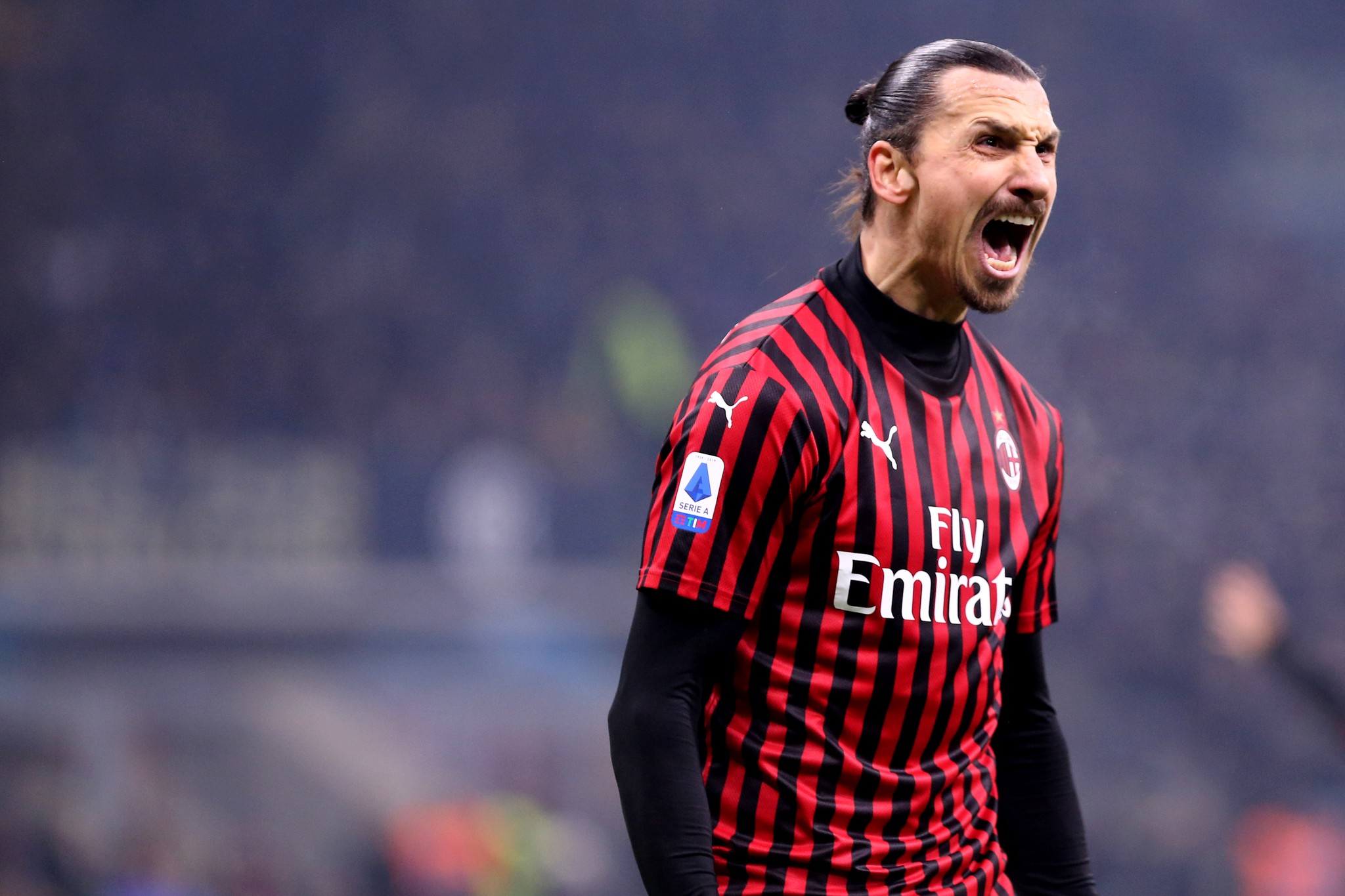
Today, one of the best forwards of modern football turns 44 – a perfect day to calculate just how much money he has generated for his club
Zlatan Ibrahimović is a legend of contemporary football. He is celebrated everywhere: on the stage of Sanremo, in movies (a perfect time to rewatch Asterix & Obelix: The Middle Kingdom), but especially everyone was thrilled when he returned to AC Milan in 2020. Recall that he joined the club as a free agent.
With his return to Milan in 2020, Zlatan became a true economic driver. In the 2020/21 season, he scored 15 goals in Serie A, while the club’s revenue increased by almost €50 million. Calculated per goal, each Zlatan strike “brought” Milan over €3 million in additional revenue. Considering that at that time the Swede earned €3.8 million per year, just one goal was almost enough to fully “covered” his annual salary.
It wasn’t just goals – merchandise also worked for the club. After winning the Scudetto in 2022, sales of jerseys with Ibrahimović’s name surged by 231%, and the club’s commercial revenue during this period rose from €146 million to €179 million (+23%).
Zlatan’s return also helped Milan win the Scudetto for the first time since 2011, bringing the club tens of millions of euros in prize money and increasing the brand’s value on the international stage.
UCapital Asset Management LLP or group companies may have commercial relationships with the companies mentioned. This content is not financial advice.
Sign up for free to ask the AI about this article.
Growth, inflation and rates across the major economies, with the impact on your business.