
French manufacturing rebounds in January but services disappoint

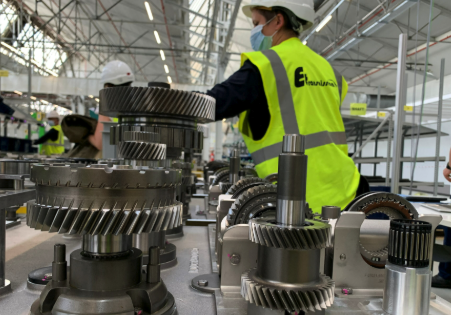
France's manufacturing activity outperformed while services activity underperformed in January, flash data published by S&P Global showed Friday.
The headline Hamburg Commercial Bank flash France composite purchasing managers' output index fell to 48.6 points in January from 50.0 points in December. Falling from December's neutral mark of 50.0 points which separates growth from contraction, it indicates France's activity declined in January. It underperformed against FXStreet-cited expectations of an uptick to 50.1 points in January.
The flash services PMI business activity index declined to 47.9 points in January from 50.1 points in December, worse than expectations for an improvement to 50.5 points in January.
The flash manufacturing PMI output index however rose to a 47-month high of 51.9 points in January, solidly entering growth territory, from 49.7 points in December.
The flash manufacturing PMI climbed to a 43-month high of 51.0 points in January from 50.7 points in December, beating the consensus for 50.3 points in January.
S&P Global said: "Of note was the stark divergence of output trends at the sector level, with the sharpest fall in services activity for nine months contrasting with the fastest a rise in manufacturing production in close to four years. Given the size of France's services economy, the sector's decline more-than-offset the rebound in the goods-producing industry."
S&P Global noted that firms' expectations for growth over the coming year were at their most optimistic since September 2024, "with some panel members attributing the rise in confidence to expectations of the budget impasse ending in the coming months."
Jonas Feldhusen, junior economist at Hamburg Commercial Bank, said: "The French private sector entered the new year on a muted note. The HCOB flash PMIs point to a broad‑based softening in export conditions, reflecting continued uncertainty on the trade policy front despite prior trade agreements. Renewed tariff threats from the US, which included the prospect of a 200% duty on French champagne, underscore how fragile the external environment remains. Although such threats may merely be being used as a tool to gain political leverage, they still add to the uncertainty faced by export‑orientated firms. A relatively firm euro and intensifying competition from China further weigh on the outlook for exporters."
He added: "Whether the manufacturing industry embarks on a recovery in 2026 remains uncertain. The headline PMI for the sector signalled a mild uptick in growth, but a more durable improvement would require a clear rebound in new orders, which remained in contraction in January. The continued decline in output prices and export orders also suggests that a sustained upswing in growth is not yet in sight."
The flash PMI survey draws upon a panel of 750 companies based in the French manufacturing and service sectors, with responses collected between January 12 and 21.
Final January data for French manufacturing activity will be out on February 2, while services and composite data will be released February 4.
UCapital Asset Management LLP or group companies may have commercial relationships with the companies mentioned. This content is not financial advice.
Sign up for free to ask the AI about this article.
Growth, inflation and rates across the major economies, with the impact on your business.